Explore the profound historical shift that occurred 900 years ago when the Maldives transitioned from a Buddhist nation to an Islamic Sultanate, reshaping its destiny forever.
- The Maldives underwent a massive religious shift exactly 900 years ago.
- The nation transitioned from a Buddhist archipelago to an Islamic Sultanate.
- This change was driven by maritime trade and cultural exchange with Arab merchants.
The history of the Maldives is a fascinating saga of maritime dominance and spiritual evolution. Approximately 900 years ago, the archipelago underwent a monumental transformation that would redefine its national identity, legal systems, and cultural fabric. The transition from a predominantly Buddhist nation to a sovereign Islamic Sultanate remains one of the most significant milestones in Indian Ocean history.
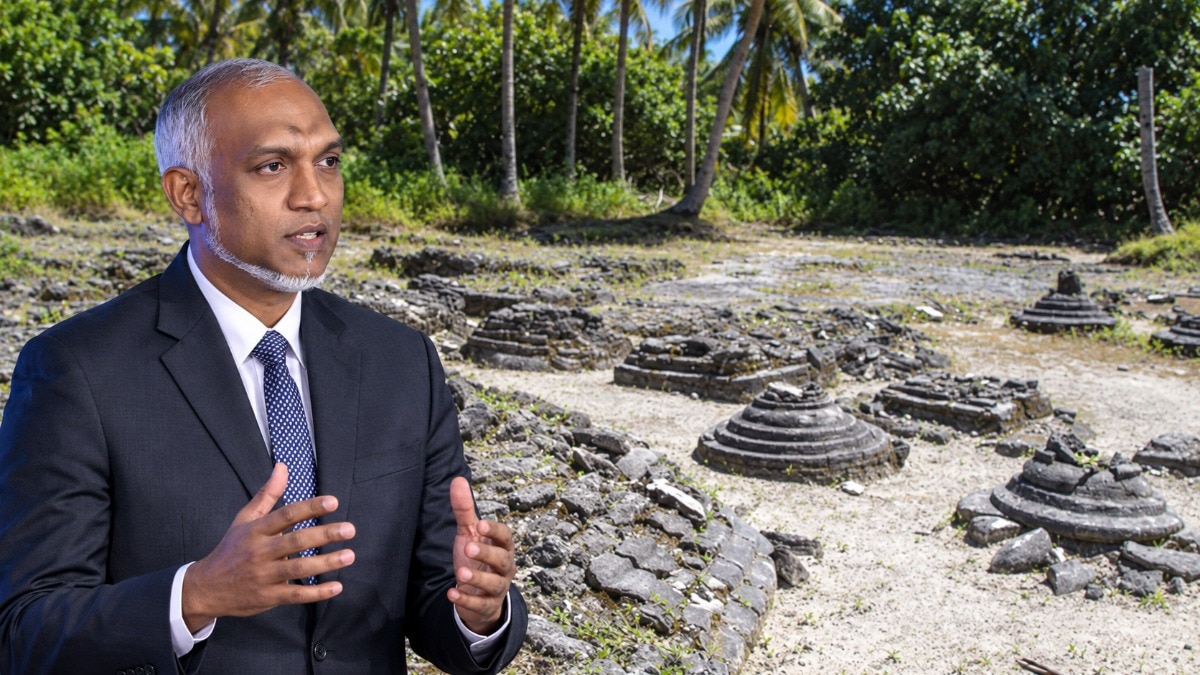
Before this era, the Maldives was deeply rooted in Buddhist traditions. Archaeological evidence and ancient relics suggest that the islands served as a spiritual hub within the region. However, the shifting tides of trade and the arrival of foreign travelers set the stage for a new era of faith and governance.
Historical Background
The conversion was not an overnight event but a gradual process influenced by the burgeoning maritime silk roads. Arab traders, navigating the vast expanse of the Indian Ocean, brought more than just goods; they brought a new way of life and a new faith. As these merchants established trading posts, the influence of Islam began to permeate the local social hierarchy, eventually leading to the conversion of the ruling elite.
Why This Matters
BozokMedia analysis shows that this religious shift was a strategic geopolitical move as much as a spiritual one. By adopting Islam, the Maldives integrated itself into the vast and wealthy Islamic trade network, ensuring economic stability and fostering diplomatic ties with powerful Middle Eastern caliphates and sultanates.
The transition of the Maldives represents a masterclass in how cultural diffusion through trade can reshape the destiny of an entire nation.
Following the establishment of the Sultanate, the political structure of the islands was reorganized. The Sultan became not just a political leader but a religious guardian, centralizing authority and establishing a legal framework based on Islamic principles. This era laid the foundation for the modern Maldivian state, blending local customs with Islamic traditions.
Frequently Asked Questions
Question 1: What was the primary driver of Islam's spread in the Maldives?
Answer: The primary drivers were the maritime trade routes and the cultural exchange facilitated by Arab merchants and travelers.
Question 2: How did the conversion affect the local economy?
Answer: It strengthened economic ties with the Islamic world, opening up new trade opportunities and enhancing the Maldives' position in global commerce.