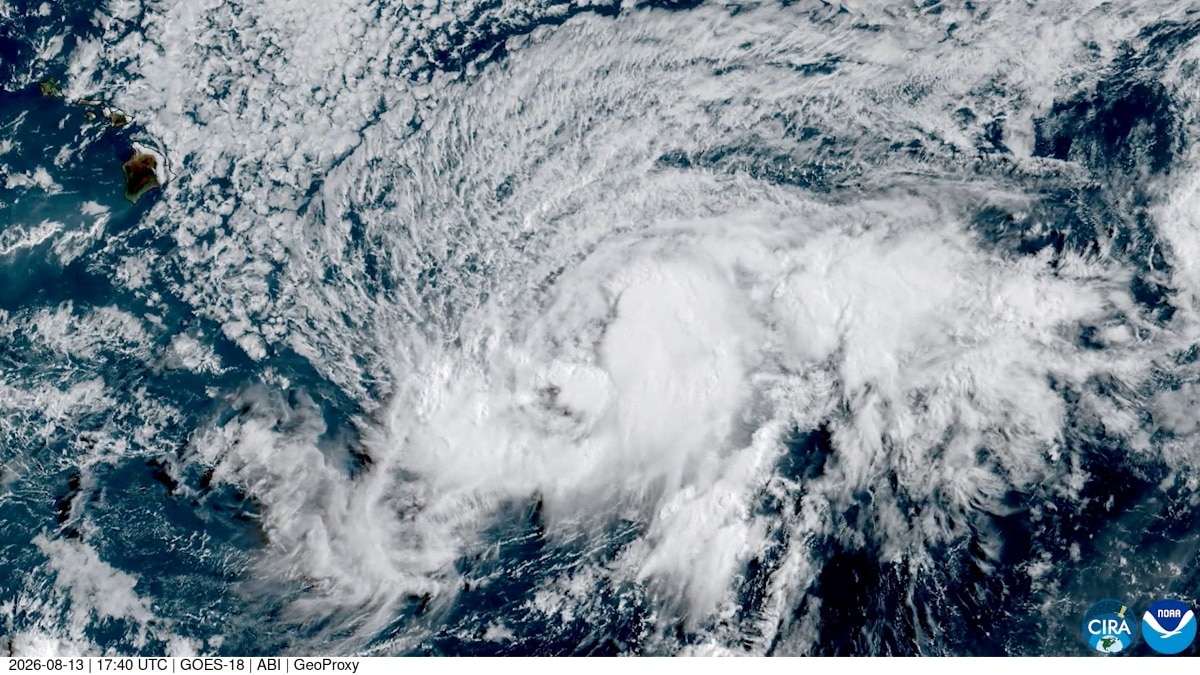
Hurricane Lala struck Hawaii with winds up to 75 mph, leaving 42,889 customers without electricity. The National Hurricane Center warned of life‑threatening flooding and mudslides.
Key Takeaways
- 42,889 customers in Hawaii are without power
- Lala's sustained winds reached 75 mph (120 km/h)
- Rainfall forecasts of 10‑25 inches raise flood and landslide risks
Event Overview
The National Hurricane Center classified Lala as a Category 1 hurricane on Saturday, with maximum sustained winds of 75 mph (120 km/h). Rainfall predictions range from 10‑25 inches (25‑63 cm) across the islands, creating life‑threatening flood and mudslide conditions.
Hawaiian Electric reported that 31,792 customers on the Big Island and 7,203 in Maui County remain without electricity. On the Hamakua Coast, utility crews are assessing a 42‑mile (68 km) stretch of transmission lines felled by fallen trees.
The Hawaii Department of Transportation closed Hilo International Airport and Ellison Onizuka Kona International Airport, as well as commercial ports on Hawaii Island, Maui County, and Kauai.
Historical Background
Hawaii has a history of destructive hurricanes, notably Hurricane Iwa in 1992, which damaged over 1,000 homes, and Hurricane Dora in 2018, which caused widespread flooding and power outages. These events highlight the islands' vulnerability and the need for robust infrastructure.
Why This Matters
BozokMedia analysis shows that Lala’s combination of high winds and heavy rain could have long‑term economic, energy‑security, and public‑health impacts, especially for the tourism‑dependent economy.
"Hawaii’s power grid must become more resilient to withstand increasingly intense tropical cyclones," says Dr. Anita Sharma, disaster‑management expert.
Frequently Asked Questions
Q1: Is the flood risk still high after Lala’s rainfall?
A: Yes, the projected 10‑25 inches of rain keeps many low‑lying areas at elevated risk of water accumulation.
Q2: How long might power restoration take?
A: Experts expect most areas to see restoration within 24‑48 hours, though remote locations may experience longer outages.