In the village of Ghosaut, Muzaffarpur, three daughters defied traditional gender norms by shouldering their father’s bier and the youngest daughter performed the final rites. Despite local opposition, the act underscores legal rights and evolving social attitudes in rural India.
Key Takeaways
- Three daughters shouldered their father’s bier
- Youngest daughter performed the last rites
- Local opposition was overruled by constitutional rights
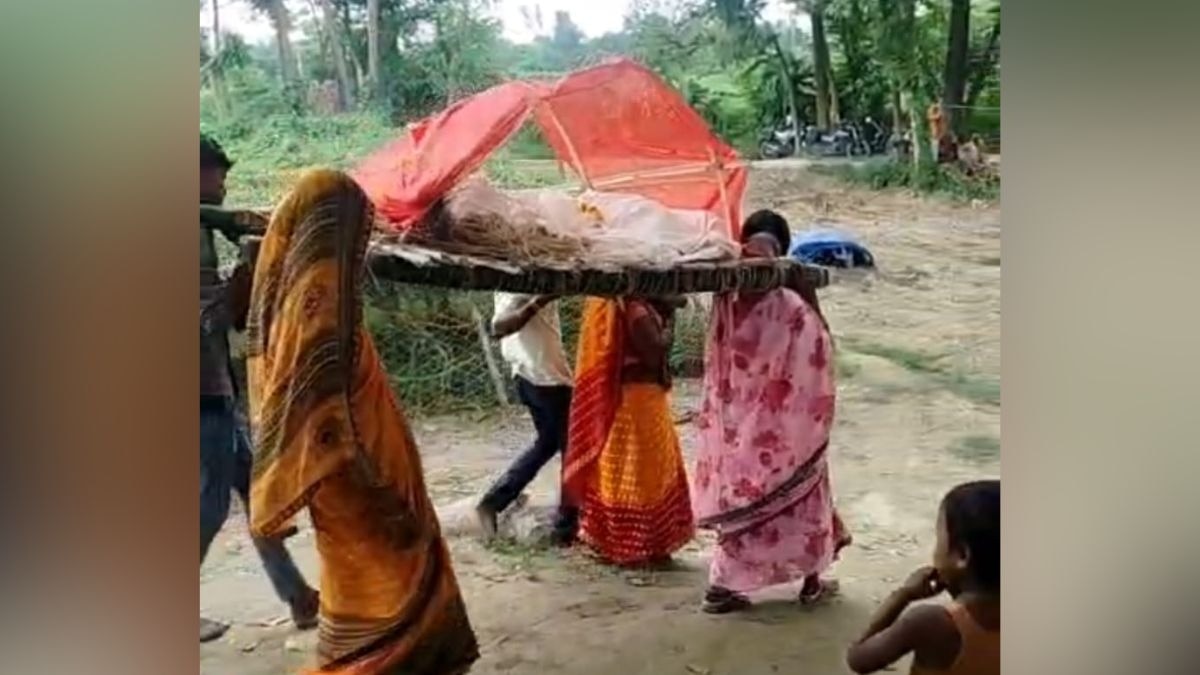
In Ghosaut village of Muzaffarpur district, 65‑year‑old Durga Sahni passed away leaving behind three daughters and no son. Defying entrenched customs, the sisters decided to handle the funeral themselves, a role traditionally reserved for sons.
The three sisters, accompanied by their grandson, lifted the bier onto their shoulders and guided it through the narrow lanes to the cremation ghats. Some local landowners objected, whispering that a daughter could not perform the “mukhagni” (last rites).
Village head Akhilesh Ram intervened, reminding the crowd that the Indian Constitution guarantees every citizen, irrespective of gender, the right to perform their parents’ last rites. He warned that police would be called if the opposition persisted, prompting the dissenters to retreat.
At the cremation ground, the youngest sister, Pinky Devi, approached the bier with trembling eyes and solemnly performed the mukhagni. The act resonated emotionally, breaking long‑standing gender barriers and drawing heartfelt applause from onlookers.
Historical Background
Historically, Hindu funeral rites have been the domain of male family members, with women often excluded. Recent legal reforms across Indian states have begun to dismantle these biases, yet cultural resistance remains strong in many rural areas.
Why This Matters
BozokMedia analysis shows that such grassroots challenges to gendered rituals accelerate legal reforms and shift public perception, paving the way for more inclusive practices across rural India.
"Family responsibility should never be gender‑based," says Dr. Anita Singh, Professor of Social Sciences.
Frequently Asked Questions
- Do daughters have a legal right to perform mukhagni? Yes, the Indian Constitution guarantees equal rights for all citizens to perform their parents’ final rites.
- Has this incident prompted any policy change locally? No official policy shift yet, but it has sparked significant discussion on gender equality in the region.