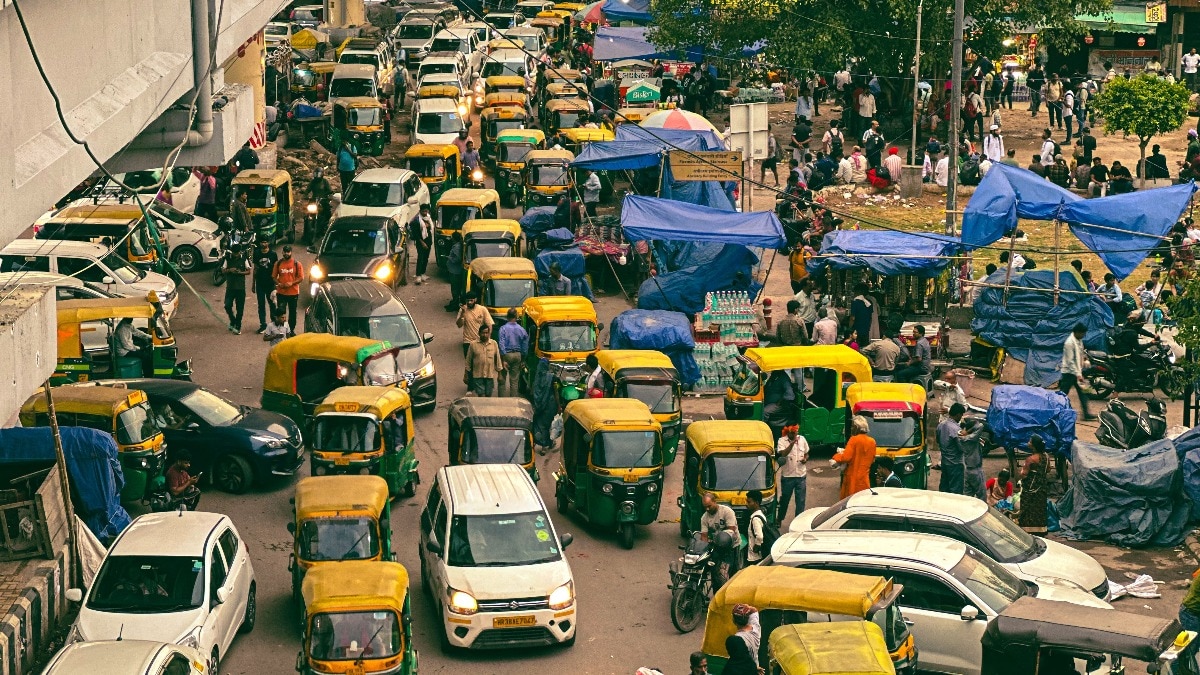
A Bengaluru-based content creator has highlighted the growing struggle of daily commuters, sharing her ordeal of waiting an hour for a Rapido auto and eventually paying double the usual fare.
Key Takeaways
- A Bengaluru woman waited nearly an hour at Indiranagar Metro station for a Rapido auto.
- Despite offering a ₹70 pre-tip, no driver accepted the booking.
- The commuter was ultimately forced to pay double her usual fare.
- Calls for government regulation of ride-hailing apps like Rapido and Uber have intensified.
In Bengaluru, the simple task of commuting has turned into a test of both patience and financial endurance. A local content creator, Tripti, recently voiced her frustration regarding the skyrocketing costs and unreliable service of ride-hailing platforms after a harrowing experience at the Indiranagar Metro station.
Sharing her ordeal on Instagram, Tripti revealed that she spent nearly an hour attempting to secure a Rapido auto. Even after incentivizing drivers with a ₹70 pre-tip, not a single driver was willing to accept her ride request. Exhausted and with no other immediate options, she eventually had to pay approximately twice her standard fare to reach home.
Why This Matters
BozokMedia analysis shows that the lack of stringent regulation in the gig economy is creating a massive gap between service promises and consumer reality. For young professionals in Bengaluru, who often work on modest salaries, these unpredictable and inflated commuting costs can significantly impact their monthly budgets and overall quality of life.
"Day by day it's getting worse; someone really needs to regulate Rapido, Uber, and all these other apps." — Tripti
The incident has sparked a heated debate online. While some netizens suggested that switching to cabs during peak hours might be more cost-effective, many others demanded that the government intervene to standardize fares and ensure driver accountability on these digital platforms.
Historical Background
As Bengaluru transitioned into a global tech hub, its transport infrastructure struggled to keep pace. The rise of aggregator apps was intended to solve the 'last-mile connectivity' problem, but issues like surge pricing, frequent cancellations, and lack of price transparency have become systemic challenges for the city's residents.
Frequently Asked Questions
1. Why do drivers often reject bookings even with tips?
Drivers often reject rides due to low margins, heavy traffic, or preferred routes that don't align with the app's navigation.
2. Can the government cap ride-hailing fares?
Yes, regulatory bodies have the authority to implement fare caps to protect consumers from excessive surge pricing.