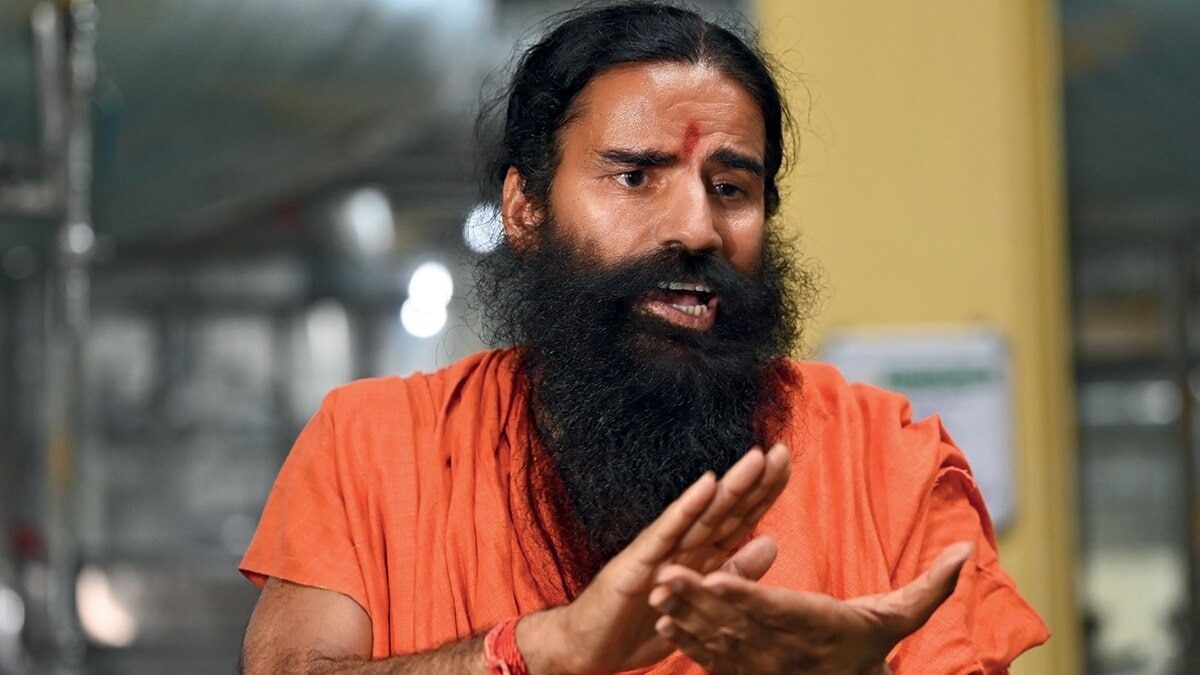
Yoga guru Baba Ramdev stated that no single political party, opposition group, or individual possesses the capacity to transform India's entire systemic structure.
Key Takeaways
- Systemic change requires social, political, and administrative awareness.
- No single party or individual can overhaul the entire national system.
- The government holds primary responsibility for improving education and healthcare.
- Ramdev strongly opposed the exploitation of children in political protests.
Speaking in Raipur, Chhattisgarh, renowned yoga guru Baba Ramdev delivered a profound critique of the current political landscape. He asserted that the capacity to transform the entire nation's system does not reside within any single political party, opposition group, or individual leader.
According to Ramdev, meaningful and lasting systemic change is not a product of mere electoral shifts. Instead, it demands a multi-dimensional approach involving social, political, and administrative awareness. He emphasized that unless these three pillars are synchronized and conscious, structural reforms will remain elusive.
Why This Matters
BozokMedia analysis shows that Ramdev's remarks target the growing trend of personality-driven politics in India. By shifting the focus from 'leaders' to 'systems,' he is calling for a more institutionalized and citizen-led approach to nation-building.
True systemic transformation is a collective endeavor that transcends party lines and individual ambitions.
Ramdev also touched upon the critical sectors of education and healthcare, noting that both systems currently face serious questions that demand urgent government intervention. He argued that the government must take proactive responsibility to steer these sectors in the right direction to meet the needs of the population.
Furthermore, the yoga guru advocated for movements aimed at protecting the Constitution and democracy to be rooted in ethical, spiritual, and human values. He issued a stern warning against anarchy in the name of protest and specifically condemned the use of children in political movements, calling it an exploitation of the youth.
Historical Background
Throughout India's history, major systemic shifts have often been triggered by mass movements. However, these movements frequently become tethered to specific political ideologies or leaders. Ramdev's stance suggests a need to decouple social reform from partisan politics to ensure sustainable progress.
Frequently Asked Questions
1. What does Baba Ramdev believe is necessary for systemic change?
He believes awareness at the social, political, and administrative levels is essential for meaningful change.
2. What was his stance on political protests?
He stated that protests should be ethical and constitutional, and should never involve or exploit children.