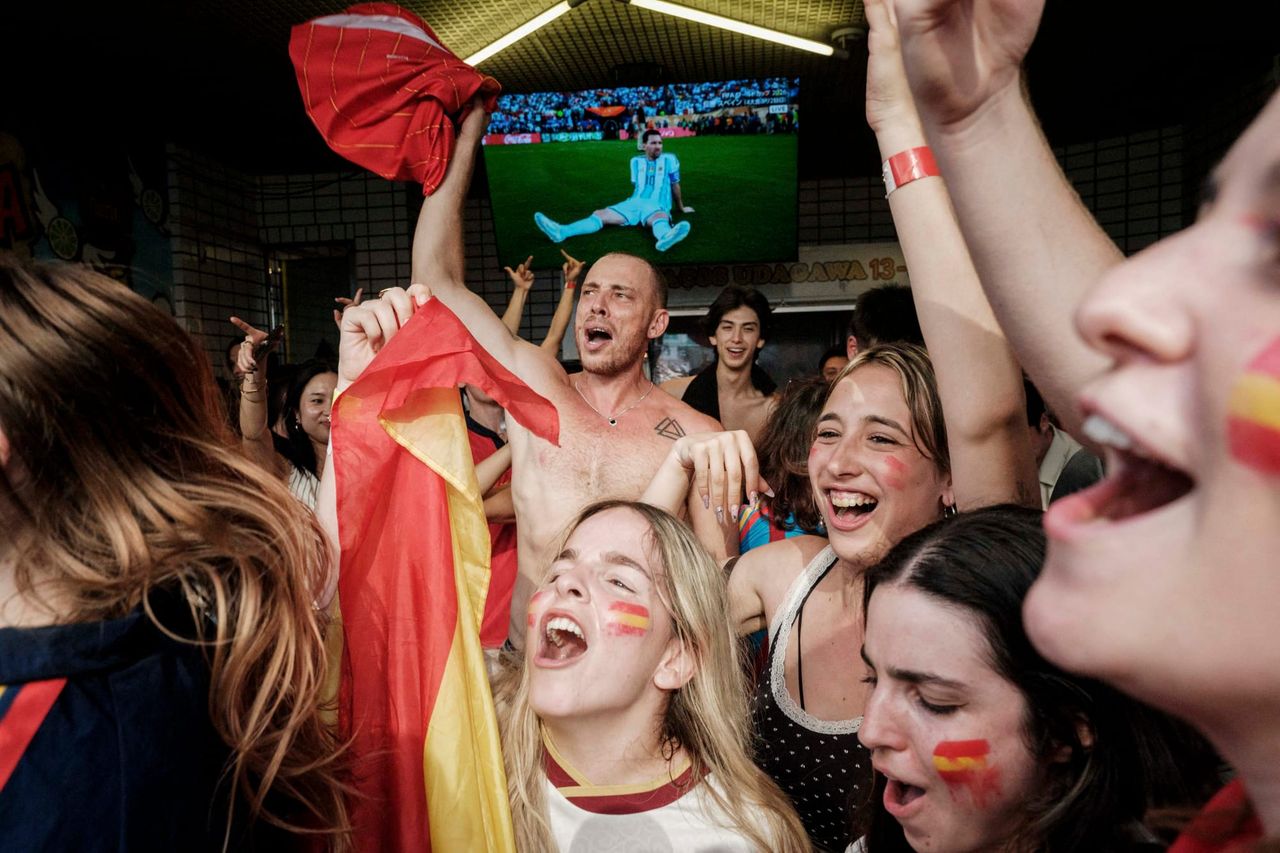
As global sporting events increasingly morph into battlegrounds for national pride and geopolitical dominance, a critical question emerges: what is the true purpose of international athletic competition? This analysis explores how modern sports have shifted from fostering global unity to serving as tools of soft power, questioning if the essence of sportsmanship is being lost.
Key Takeaways
- Modern international sports are increasingly driven by geopolitical rivalry rather than pure athletic excellence.
- The heavy commercialization of events like the Olympics has shifted the focus from sportsmanship to national medal tallies.
- A return to the foundational values of global unity and human connection is essential for the future of sports.
When a nation triumphs on the international stage, waves of euphoric celebration sweep across the country. But once the fireworks fade and the medal tallies are finalized, a fundamental question lingers in the air: what happens after we win? Have international sports devolved into a modern-day arena for nations to assert political dominance, or do they still hold a deeper, more humanistic purpose? Today, the line between healthy patriotism and aggressive nationalism in sports has become dangerously thin.
Historical Background
Historically, sports were envisioned as a vehicle to unite humanity. In ancient Greece, the sacred Olympic truce (Ekecheiria) ensured that all ongoing conflicts were paused so that athletes could travel and compete in peace. The founder of the modern Olympics, Pierre de Coubertin, famously stated that the most important thing is not winning but taking part, and that sports should help build a peaceful, better world. However, from the boycotts of the Cold War era to contemporary geopolitical tensions, sports have frequently been weaponized as soft-power battlegrounds where medals symbolize the superiority of political systems.
Why This Matters
BozokMedia analysis shows that modern sports are no longer just tests of physical prowess; they have transformed into multi-billion-dollar industries and highly calculated tools of statecraft. When national prestige becomes the sole metric of success, it places immense, unhealthy pressure on athletes, leading to systemic doping scandals and severe mental health crises. We must critically evaluate whether we are sacrificing the soul of sportsmanship at the altar of geopolitical vanity.
"Sports should be a bridge that connects cultures, not a weapon used to project geopolitical dominance."
| Feature | Nationalistic Model (Current) | Humanistic Model (Ideal) |
|---|---|---|
| Primary Focus | Medal tallies and national supremacy | Personal growth and global solidarity |
| Athlete's Role | Representative of state power | Ambassador of human potential |
| Measure of Success | Gold medals accumulated | Cultural exchange and mutual respect |
Frequently Asked Questions
Q1: How does sports diplomacy impact global relations?
Answer: Sports diplomacy provides a unique platform for nations to engage informally, which can de-escalate tensions. However, if used purely for political propaganda, it can exacerbate existing divisions rather than heal them.
Q2: Can modern sports survive without massive commercialization?
Answer: While commercial funding is vital for infrastructure and athlete development, a sustainable balance must be struck to prevent corporate and political interests from completely overshadowing the ethical values of sport.

