A growing wave of Wisconsin cities is withdrawing from the Flock automated license plate network due to privacy fears, triggering a 'reverse network effect' that diminishes the system's utility for all.
- Multiple Wisconsin cities and towns are terminating contracts with Flock over privacy and trust issues.
- Dane County has officially banned further expenditures and cut $80,000 in funding for the camera system.
- The 'network effect' is reversing, making the surveillance grid less effective as key nodes drop out.
In a significant shift toward prioritizing civil liberties over automated surveillance, several municipalities across Wisconsin have begun fleeing the Flock automated license plate recognition (ALPR) network. What started as a series of isolated privacy complaints has evolved into a systemic exodus that is now undermining the very technical foundation of the service.
The most striking example is Dane County, home to the city of Madison and one of the state's most populous regions. After intense pressure from citizens and privacy advocates, the Dane County Board of Supervisors voted on April 16 to slash $80,000 in funding for the Flock system. Furthermore, the board implemented a strict ban on any further expenditures related to the network, effectively neutralizing the surveillance grid in the region.
Why This Matters
BozokMedia analysis shows that Flock's business model relies entirely on the "network effect." The value of an ALPR system increases exponentially as more jurisdictions join, creating a seamless web that allows police to track a vehicle across city and county lines. However, when high-density areas like Dane County exit, they create "blind spots." This reverse network effect means that the remaining cities are paying for a service that is becoming objectively less useful.
The erosion of public trust is the ultimate kill-switch for surveillance technology; without community consent, the data becomes a liability rather than an asset.
Historically, license plate readers were static tools used for specific investigations. Modern systems like Flock, however, provide real-time alerts and massive databases of movement, which critics argue constitutes a warrantless dragnet. The Wisconsin backlash reflects a broader national trend where local governments are reconsidering the trade-off between marginal security gains and the loss of anonymity in public spaces.
As more towns withdraw, the financial viability of such shared networks comes into question. If the "web" of cameras is fragmented, the incentive for remaining cities to maintain expensive contracts vanishes, potentially leading to a total collapse of the regional surveillance infrastructure.
Frequently Asked Questions
1. What is the Flock Safety network?
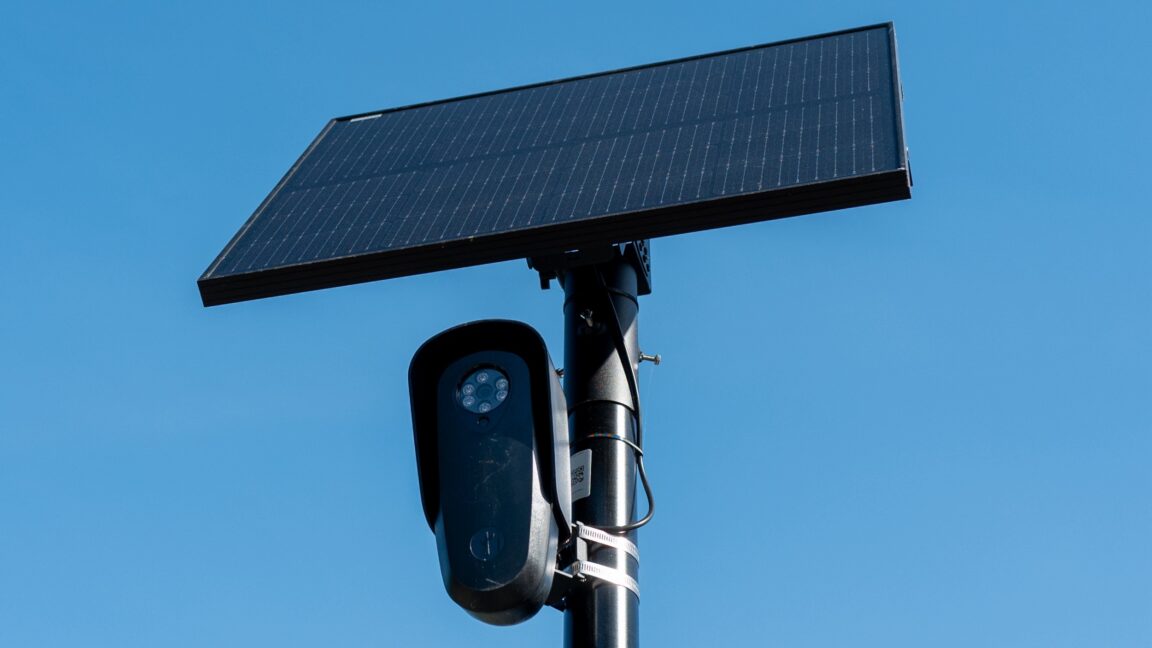
Flock is a network of automated license plate readers (ALPR) that allows law enforcement to track vehicles and receive alerts based on "hot lists" of suspect cars.
2. Why is the 'network effect' relevant here?
Because the system's utility depends on wide coverage; if one city leaves, the ability to track a suspect moving through that city is lost for all other participating agencies.