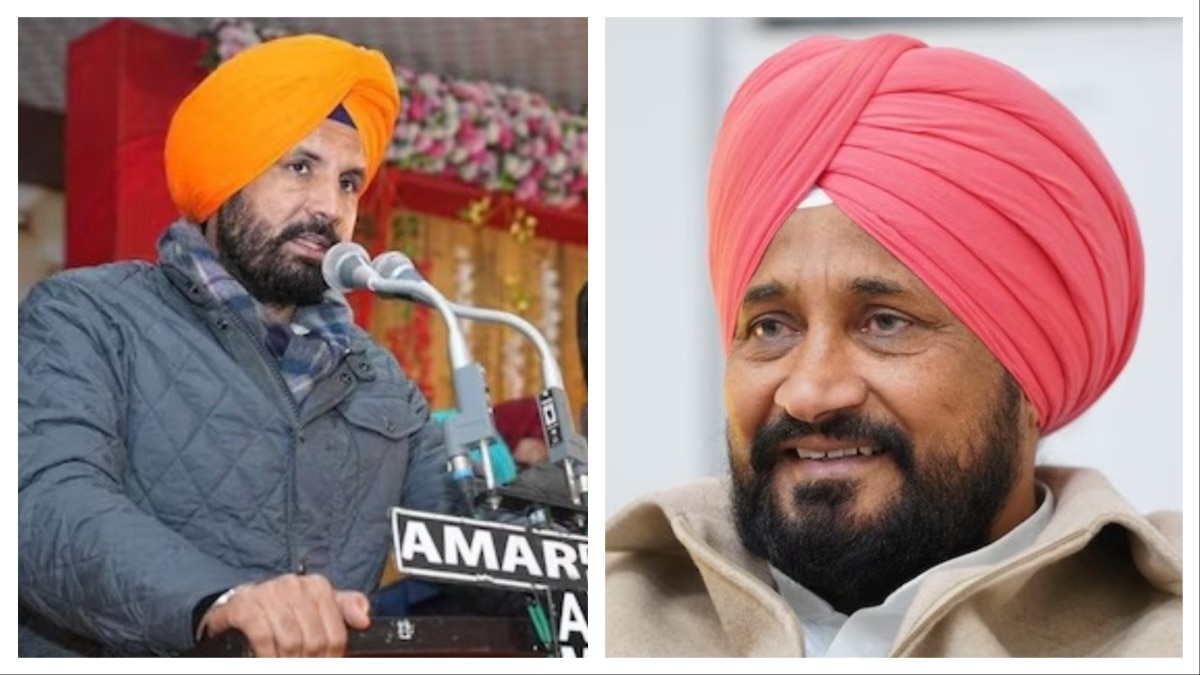
Ahead of the Punjab Assembly polls, the Indian National Congress has reaffirmed Amrinder Singh Raja Warring as state president, yet former CM Charanjit Singh Channi remains a focal point of internal discussion. The decision highlights the party's struggle to balance leadership continuity with demands for a stronger electoral face.
With the Punjab Assembly election fast approaching, the Indian National Congress has finally put an end to weeks of speculation by confirming Amrinder Singh Raja Warring as the state party president. The move, endorsed by the national high command, aims to provide the organization with much‑needed stability as it gears up for a fiercely contested campaign.
Background and Intra‑Party Divergence
In the weeks leading up to the announcement, senior Congress leaders voiced contrasting opinions both publicly and behind closed doors. A faction championed former Chief Minister Charanjit Singh Channi as a mass leader capable of energising the vote base, while others argued that continuity under Warring would prevent a leadership vacuum and allow the party to focus on grassroots mobilisation.
Channi’s Appeal and Support Base
Channi enjoys a reputation among many party workers as a charismatic figure with deep rural connections. Supporters contend that projecting him prominently could counter the incumbent Aam Aadmi Party’s narrative and attract swing voters. However, the central leadership’s decision to retain Warring signals a preference for organisational steadiness over a rapid leadership overhaul.
Political Landscape and Upcoming Challenges
Punjab’s political dynamics have evolved dramatically over the last decade, with voter expectations now centred on clear messaging, visible leadership and sustained grassroots outreach. The AAP government’s incumbency adds pressure on Congress to present a unified front that can translate policy proposals into tangible voter appeal.
Future Implications
If the Congress can swiftly reconcile internal differences and project a cohesive campaign, it could pose a credible challenge to both the ruling AAP and a potentially resurgent BJP. Conversely, prolonged leadership disputes risk fragmenting the party’s narrative, offering opponents a strategic advantage. The effectiveness of organisational decisions, cadre mobilisation, and narrative coherence will be decisive factors in the upcoming election.
In essence, the reaffirmation of Warring offers short‑term stability, yet the lingering Channi debate underscores deeper strategic tensions that the party must resolve to maximise its electoral prospects.