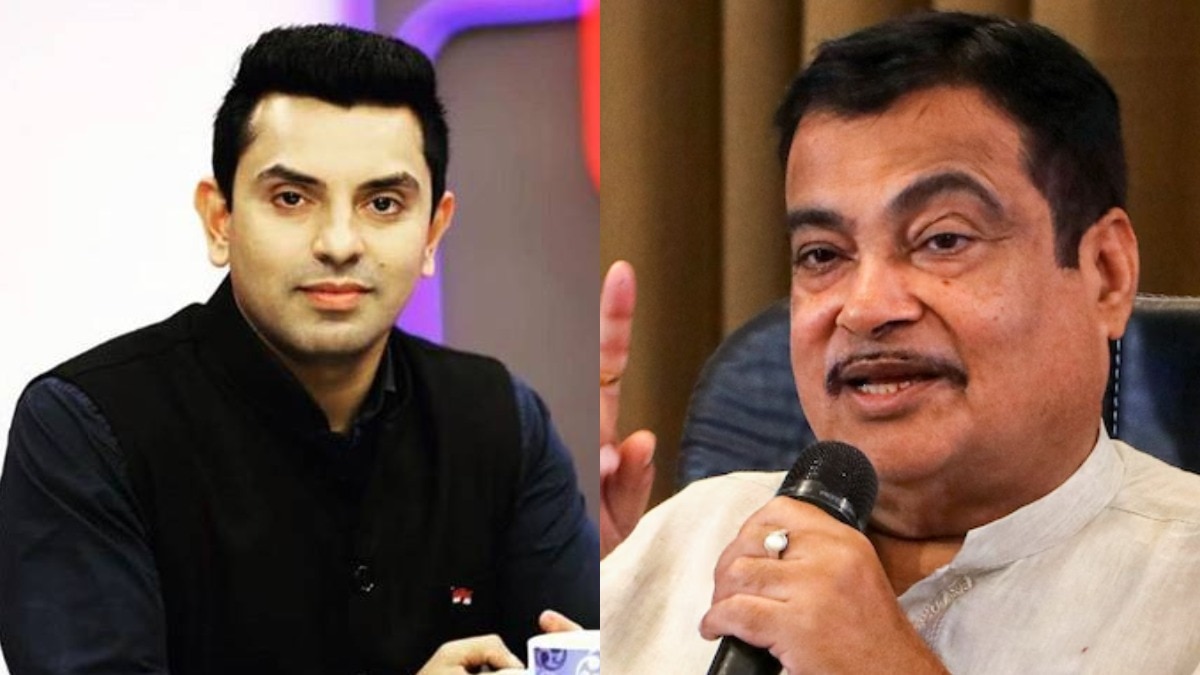
Central Minister Nitin Gadkari’s challenge to name a vehicle or victim affected by E20 fuel has been taken up by activist Tehseen Poonawalla, who insists Gadkari must meet the six victims in a live‑streamed press setting. The demand adds a new twist to the ethanol‑blend controversy.
New Delhi (July 9, 2026) – Central Minister Nitin Gadkari recently challenged the public to identify at least one vehicle or victim suffering from the 20 % ethanol‑blended petrol (E20) rollout. Social activist and industrialist Tehseen Poonawalla accepted the challenge, but attached a non‑negotiable condition: Gadkari must meet the six identified victims in front of the media and broadcast the interaction live.
Protest Launch and the Conditional Offer
Under the banner of ‘Team Bharat’, the first anti‑E20 demonstration began last Sunday at Jantar‑Mantar, Delhi. Poonawalla explained that his initial plan was to approach Gadkari’s residence directly with the complaints, but Delhi police warned that such a move could lead to detention or arrest. Consequently, he opted for a public, mediated confrontation instead.
Background of the E20 Policy and Grounds for Opposition
The Indian government, through the National Bio‑Fuel Policy 2018, set a target to achieve nationwide E20 usage by 2030 – a goal accelerated and officially implemented across all fuel stations by December 2025. Officials argue the move enhances energy security, reduces oil imports, and offers farmers an additional revenue stream. Critics, however, contend that roughly 80 % of Indian cars are only certified for E10 (10 % ethanol). They claim E20 reduces mileage and causes engine and component failures.
Poonawalla’s Demands and Potential Impact
In a video statement, Poonawalla said, “We have six individuals whose cars have suffered serious damage due to E20. We cannot go to Gadkari’s house because we risk arrest. Either Delhi Police arrange a meeting, or the minister allocates a specific time for us.” Acceptance of this condition would thrust individual grievances into the national spotlight, possibly prompting a review of blending standards and enforcement mechanisms.
Government Response and Expert Opinions
The central government and several automotive experts maintain that E20 has not caused demonstrable harm to E10‑compatible vehicles. Gadkari reiterated, “If any genuine issue arises, owners can file complaints with dealers or the ministry, and a thorough investigation will follow.” Protesters argue that these assurances ignore real‑world experiences and that only sustained public pressure can trigger policy reassessment.
This standoff tests not just the technical merits of the fuel blend but also the balance between citizen activism and governmental accountability in a democracy. Upcoming developments will reveal whether Gadkari embraces the condition and how the E20 debate evolves.