During a protest over a Dalit woman's murder, Senior Superintendent Avinash Pandey was seen striking a man inside a police van, leading to the arrest of seven people. Political parties condemned the police's actions and called for accountability.
In a tense incident in Meerut, a protest erupted at 11 a.m. over the murder of a Dalit woman that was reported missing on May 15 and found dead the next day. The demonstrators demanded that the real culprits be brought to justice, claiming that the police had failed to arrest the correct suspects. The protest quickly turned violent, with several protesters allegedly attacking police officers and blocking traffic at the Commissionerate.
Background
The victim was identified as a Dalit woman whose murder was investigated by the Meerut police. The main accused, a friend of the victim, was arrested on May 18, while a second suspect was detained later for alleged evidence tampering. Despite these arrests, the community felt that the real perpetrators had not been fully apprehended, sparking the demonstration.
Police and Political Response
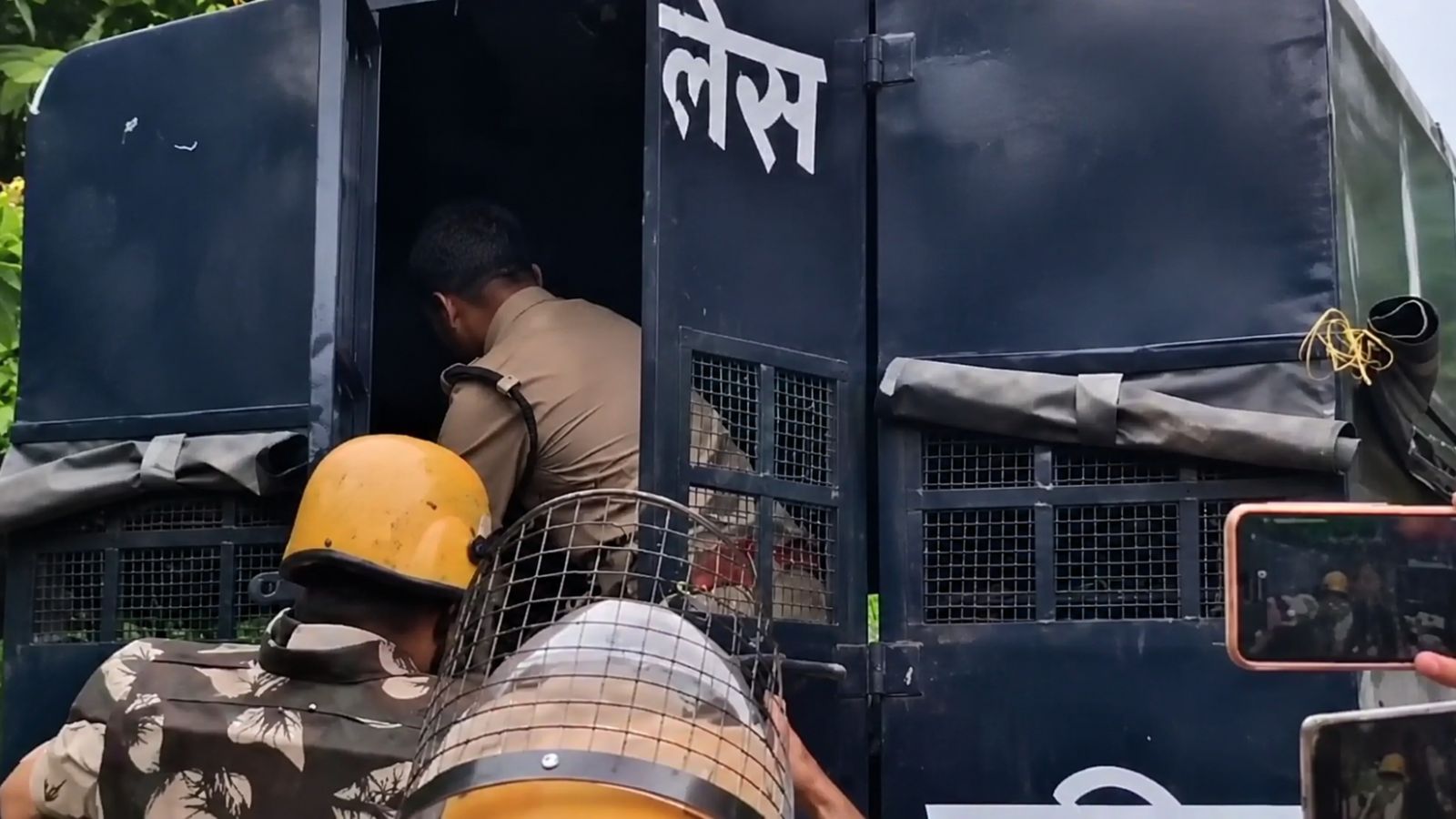
Senior Superintendent of Police (SSP) Avinash Pandey appeared in a viral 30‑second clip, walking toward the protesters, slapping several of them, and then entering a police van to beat a man inside. Police released a statement that the protest was unapproved and that the SSP used “minimum necessary force” to restore order. The incident drew sharp criticism from opposition leaders, including UP Congress chief Ajay Rai and the Samajwadi Party, who accused the police of brutality and called the actions “extremely condemnable.”
Legal and Social Implications
Seventeen individuals were charged under various sections including unlawful assembly, assault on police, and spreading misinformation. The police also highlighted that two men, Ravi Gautam and Digvijay Bhati, allegedly organized the protest for publicity, and both have multiple criminal cases against them. The incident underscores the persistent caste‑based tensions in Uttar Pradesh and the fragile relationship between law enforcement and marginalized communities.
Analysis
The video footage and subsequent statements illustrate a troubling pattern of police overreach in a highly sensitive case involving a Dalit victim. Such incidents erode public trust and raise questions about the accountability mechanisms within the police force. The broader political fallout reflects the increasing scrutiny of law‑enforcement practices in India’s most populous states.