Sonam Wangchuk, on the 21st day of his indefinite hunger strike, announced that his hunger has stabilized and warned that any attempt to remove him would breach constitutional rights. He continues to demand the education minister’s resignation and a probe into exam irregularities.
Key Takeaways
- Wangchuk says his hunger strike has stabilised and health is not critical.
- Any forced removal would violate constitutional right to peaceful protest under Article 19.
- CJP still plans a march to Parliament on July 20.
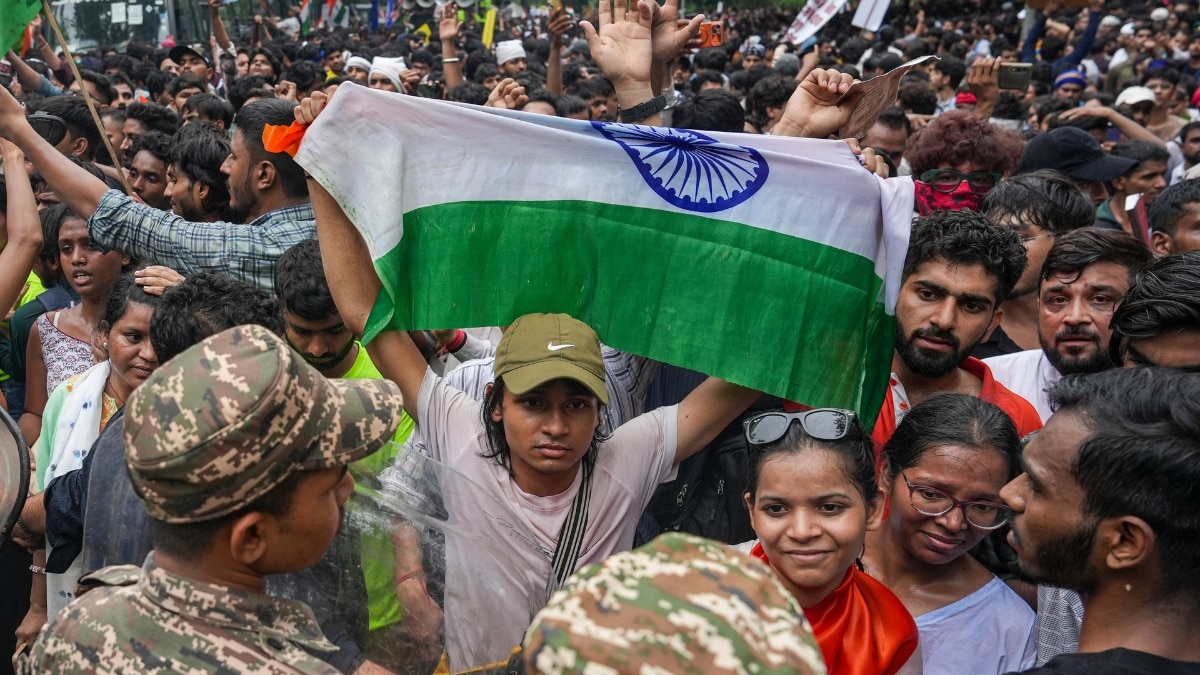
Jantar Mantar, New Delhi – On the 21st day of the Cockroach Janta Party (CJP) protest, climate activist and educator Sonam Wangchuk told reporters that his hunger has “stabilised.” He added, “The first few days were tough as the body adjusted, but now I feel fine and energetic.”
Background and Core Demands
Wangchuk joined the protest on June 28, aligning with CJP’s call for the resignation of Union Education Minister Dharmendra Pradhan and a transparent inquiry into alleged examination irregularities. The movement gained momentum after a spate of student suicides linked to the abrupt cancellation of the NEET‑UG exam in May, which claimed 20 lives.
Health Status and Government Stance
When questioned about possible administrative intervention should his health deteriorate, Wangchuk emphasized his voluntary presence at the site, stating, “There is no reason for authorities to remove me; it would violate our constitutional rights.” CJP spokesperson Ashutosh Ranka disclosed that Wangchuk has lost approximately 7.5 kg, including muscle mass, but his blood sugar remains low and stable under constant medical monitoring.
Political Implications and Upcoming Actions
Wangchuk argued that accepting the minister’s resignation before the Monsoon Session could restore confidence among youth, describing the move as “politically beneficial.” He reiterated that the protest is peaceful, invoking Article 19 of the Constitution to underline the right to protest. CJP has scheduled a peaceful march to Parliament on July 20, inviting students, parents, and citizens nationwide.
Future Outlook
If the government continues to ignore dialogue, CJP warned it will pursue “all necessary measures” to press its demands, which include a one‑crore rupee compensation for families of the deceased students. The protest’s trajectory now hinges on whether Delhi’s administration will engage constructively, making this a litmus test for India’s democratic resilience and youth engagement.