An inter‑departmental government committee has recommended that the OTT‑released film ‘Satluj’ remain banned in India, alleging it threatens national security and whitewashes terrorism. The move revives the debate over digital media regulation and freedom of expression.
Key Takeaways (मुख्य बिंदु)
- The Inter‑Departmental Committee (IDC) recommends that ‘Satluj’ stay banned.
- The film is accused of undermining national security and whitewashing terrorism.
- Section 69A of the IT Act may see expanded use against OTT content.
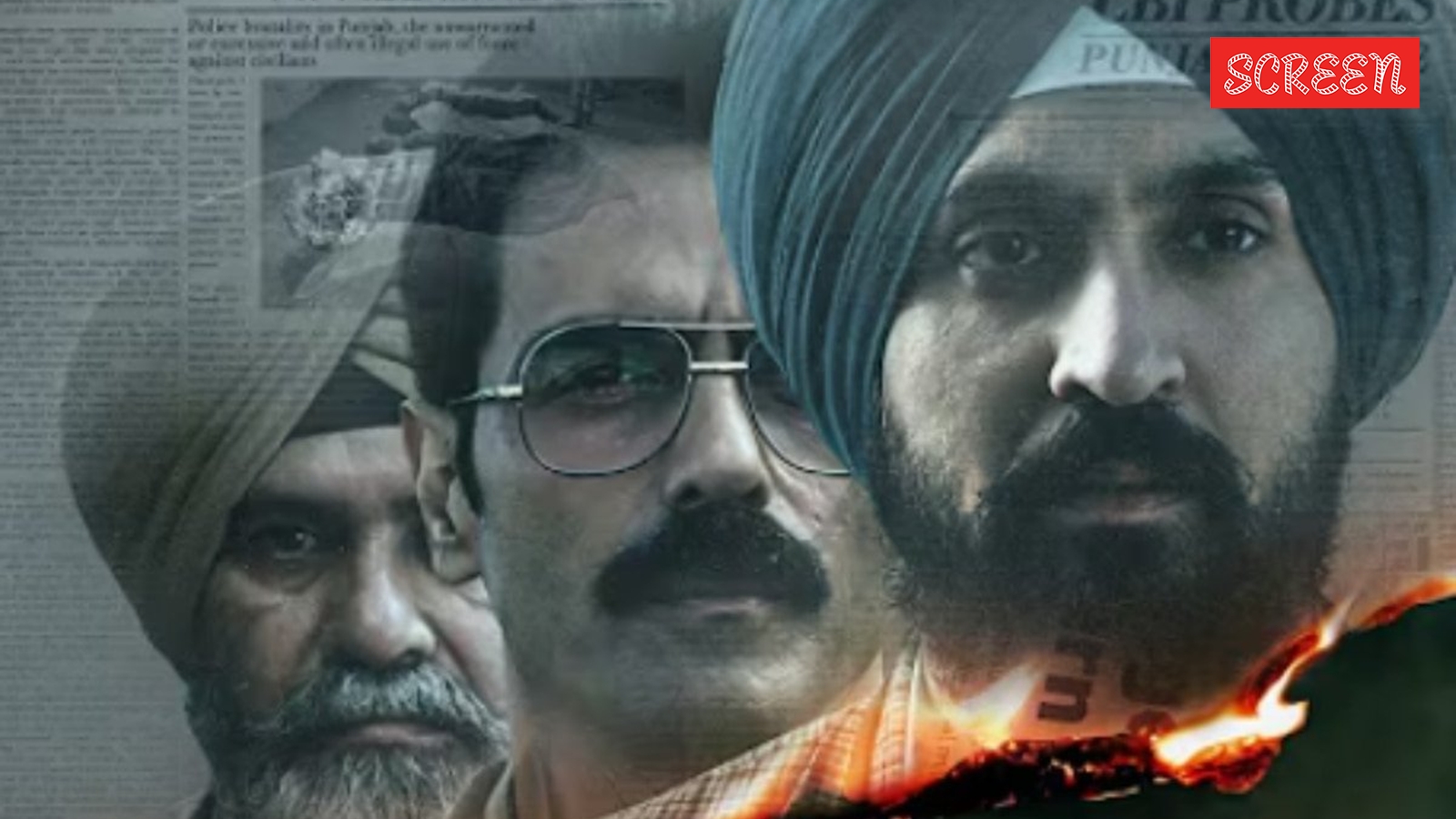
New Delhi – According to reports on July 11, 2026, a government oversight panel has advised the Information & Broadcasting Ministry to keep the film ‘Satluj’ blocked from public access in India. Directed by Honey Trehan and starring Diljit Dosanjh, the movie dramatizes the turbulent 1990s insurgency in Punjab and is based on the life of human‑rights activist Jaswant Singh Khalra, whose custodial death sparked a landmark Supreme Court case.
Role of the Inter‑Departmental Committee (IDC)
The IDC, operating under the 2021 Information Technology (Intermediary Guidelines and Digital Media Ethics Code) Rules, invoked Section 69A of the IT Act, labeling the film a potential threat to state security. The committee comprises representatives from ministries of Information & Broadcasting, Home Affairs, Electronics & IT, Women & Child Development, External Affairs, Defence, and Law & Justice, along with domain experts. It argued that the film violates India’s sovereignty, provides propaganda material for hostile elements, and should be removed from ZEE5 along with any pirated copies circulating online.
Controversial Content of ‘Satluj’
The narrative focuses on Khalra’s documentation of alleged illegal cremations of “unclaimed” bodies during Punjab’s militancy years, his subsequent torture, and death in police custody. While the film depicts state‑led counter‑insurgency operations as excessive brutality, it largely omits the violent actions of insurgents, thereby presenting a one‑sided view. The IDC noted that such a portrayal could embolden separatist narratives and undermine public order.
Digital Media Regulation: A New Turning Point
This recommendation adds to a growing list of OTT platforms facing bans under the same legal provision. In recent years, several streaming services have been asked to remove content deemed “security‑sensitive,” raising concerns among free‑speech advocates about the breadth of Section 69A. Legal analysts warn that the clause could be wielded to curtail dissenting voices under the pretext of national security.
Future Implications and Public Reaction
ZEE5 complied with an interim order to take down ‘Satluj’ after the Ministry’s request. The IDC’s final recommendation now pushes for a permanent ban, while also demanding the removal of pirated versions online. The decision has sparked protests from filmmakers and human‑rights groups, who argue that the film sheds light on historic injustices, whereas security‑focused officials view the ban as a necessary safeguard.