Prime Minister Narendra Modi praised Australia’s decision to bar children under 16 from major social platforms and suggested India is studying the approach. Several Indian states have already floated comparable restrictions, but nationwide rollout faces steep hurdles.
Key Takeaways
- Australia has imposed a nationwide ban on social media for users under 16.
- PM Narendra Modi called the move highly inspiring and said India is learning from it.
- Indian states are proposing similar age‑based restrictions, but a national policy will be complex to implement.
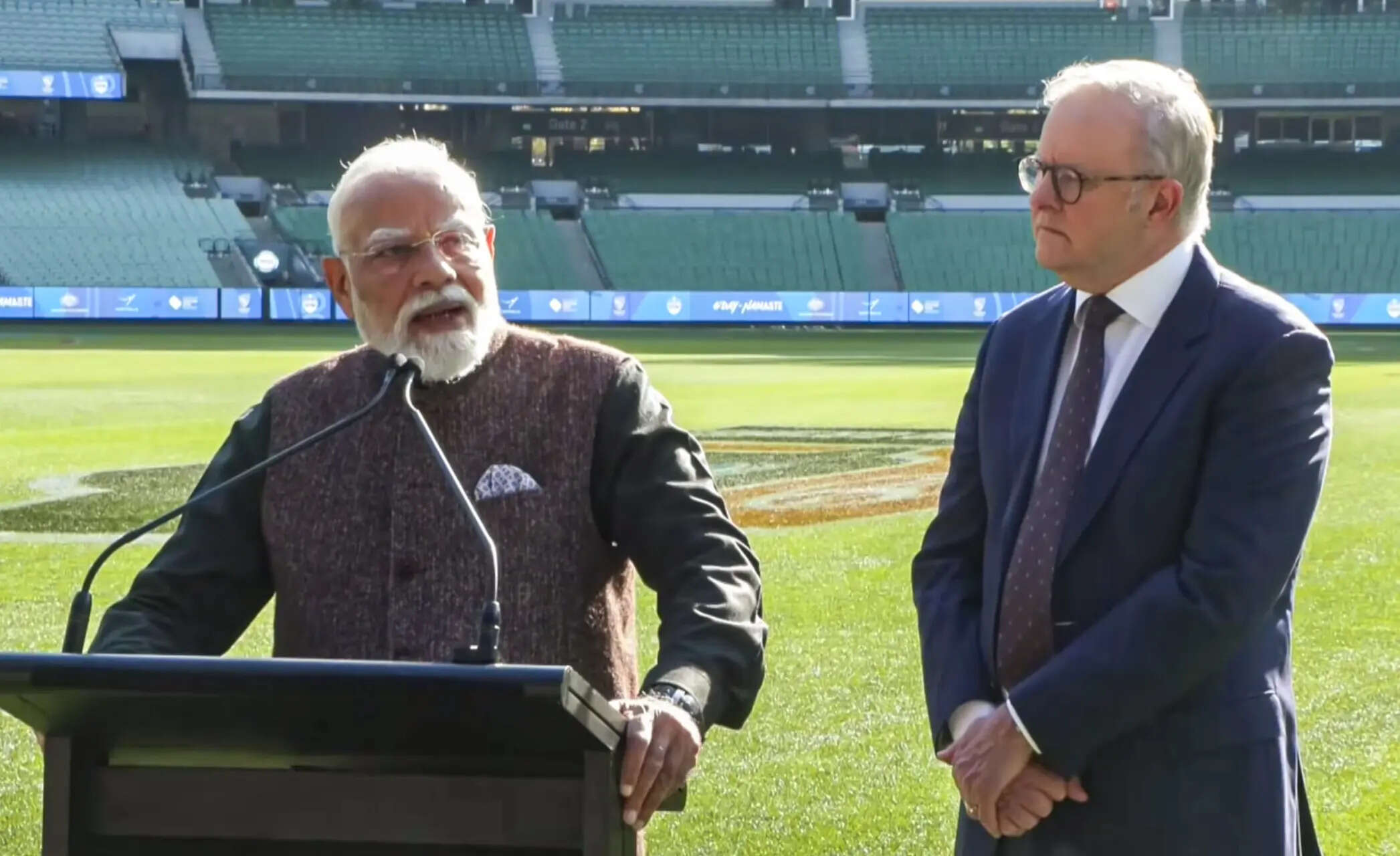
During the Australia‑India Leaders’ Summit, Prime Minister Narendra Modi commended Australia’s decision to prohibit children under 16 from accessing platforms such as Instagram, Facebook, X, TikTok, YouTube and Snapchat. He described the policy as “highly inspiring for the world” and hinted that India is drawing lessons from the Australian experience.
International Context
Australia introduced the ban in 2024 as part of a broader digital‑safety agenda aimed at shielding minors from cyber‑bullying, harmful content, and data exploitation. Being the first nation to enforce a blanket age‑based block, it has prompted other countries to reconsider their own regulatory frameworks, especially where young internet users are surging.
Developments in India
Earlier this year, Information Technology Minister Ashwini Vaishnaw confirmed ongoing talks with major social‑media firms about age‑based safeguards. The central government has already ordered Instagram to remove ads linked to child sexual abuse, and a June Home Ministry report highlighted the misuse of Telegram for distributing such material.
At the state level, Karnataka has proposed a ban for users below 16, while Andhra Pradesh is eyeing a cutoff at 13. Goa is also reviewing similar measures. Although states lack a constitutional mandate to regulate communications, they can invoke other legal provisions to restrict platform access for minors.
Challenges to a Nationwide Ban
Implementing a uniform restriction across India is a daunting task. With over 1.1 billion smartphone connections and one of the world’s largest cohorts of young internet users, the logistics of age verification, compliance monitoring, and enforcement demand a robust technical infrastructure. Moreover, balancing freedom of expression with child‑protection imperatives will be a delicate policy tightrope.
Looking Ahead
If India proceeds with an age‑based social‑media curtailment, it could set a precedent for global digital‑safety standards. However, success will hinge on close collaboration with tech companies, transparent oversight mechanisms, and widespread public awareness campaigns to prevent misuse and ensure the protection of minors without stifling legitimate online activity.