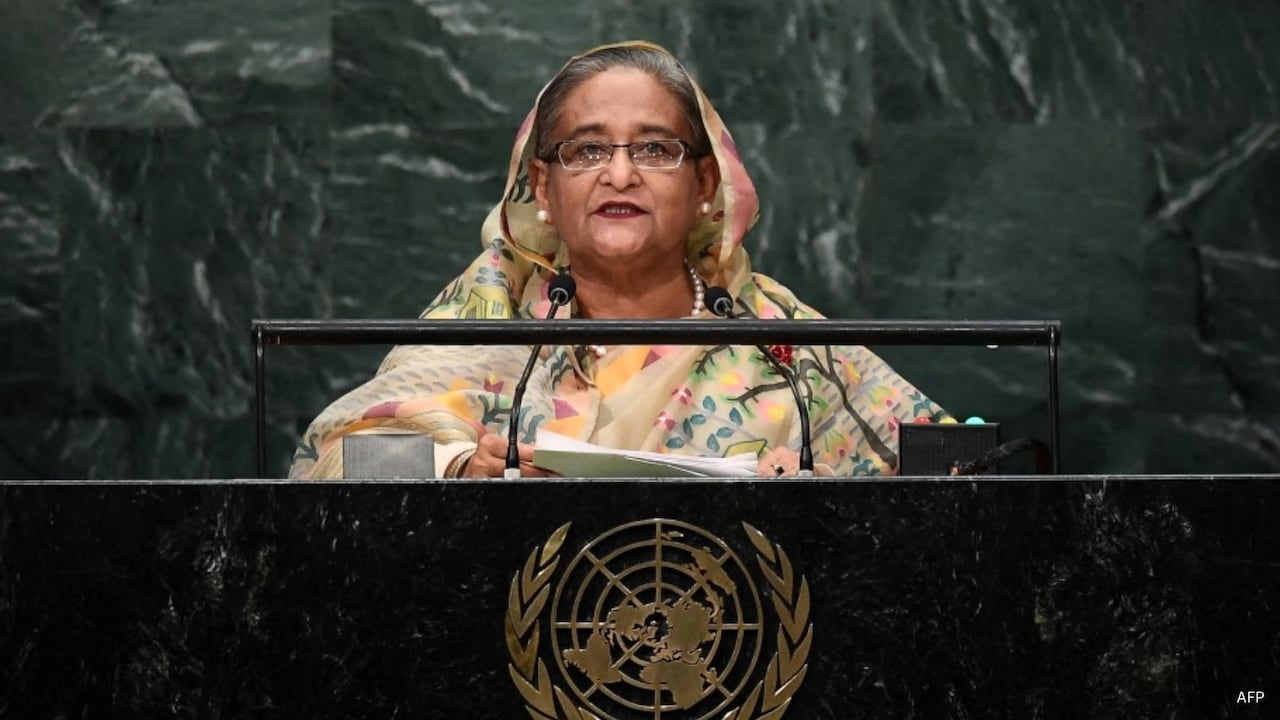
Former Bangladeshi Prime Minister Sheikh Hasina fled the country in 2024 after massive protests ended her two‑decade rule. Bangladesh has repeatedly urged India to hand her over, while Hasina prepares for a possible December comeback.
Key Takeaways
- Sheikh Hasina left Bangladesh in 2024 amid nationwide unrest
- Bangladesh is pressing India for her extradition
- Her return is slated for December 2024, pending legal processes
Sheikh Hasina, who led Bangladesh for over twenty years, escaped the country in 2024 after a wave of street protests and civil unrest. Her exile marked an unprecedented rupture in Bangladeshi politics, as she had served three consecutive terms since 2009.
Background and Triggers
The protests stemmed from deep‑seated economic grievances, accusations of corruption, and concerns over electoral transparency. Major cities saw massive rallies led by youth groups and trade unions, while security forces responded with force, drawing criticism from international human‑rights bodies.
Impact on India‑Bangladesh Relations
Following Hasina’s departure, Dhaka formally requested New Delhi to extradite her. The two neighbours share critical ties on water sharing, energy trade, and border security, but the political turbulence has strained mutual trust. India has not yet taken a definitive stance, though diplomatic channels suggest a willingness to resolve the matter quietly.
Possible December 2024 Return
Bangladeshi officials indicate that Hasina could re‑enter the country by December 2024, provided she faces judicial scrutiny for the allegations raised during her exile. This announcement has sparked both optimism and anxiety domestically and abroad. Analysts argue her comeback could stabilise the political climate, while opposition parties view it as a power consolidation move.
Looking Ahead
Hasina’s return will shape the trajectory of upcoming elections, economic reforms, and Bangladesh’s foreign policy orientation. If India complies with the extradition request, it could herald a new phase of diplomatic cooperation, yet also challenge Bangladesh’s internal power dynamics. The unfolding scenario will test the resilience of democratic institutions in both nations.