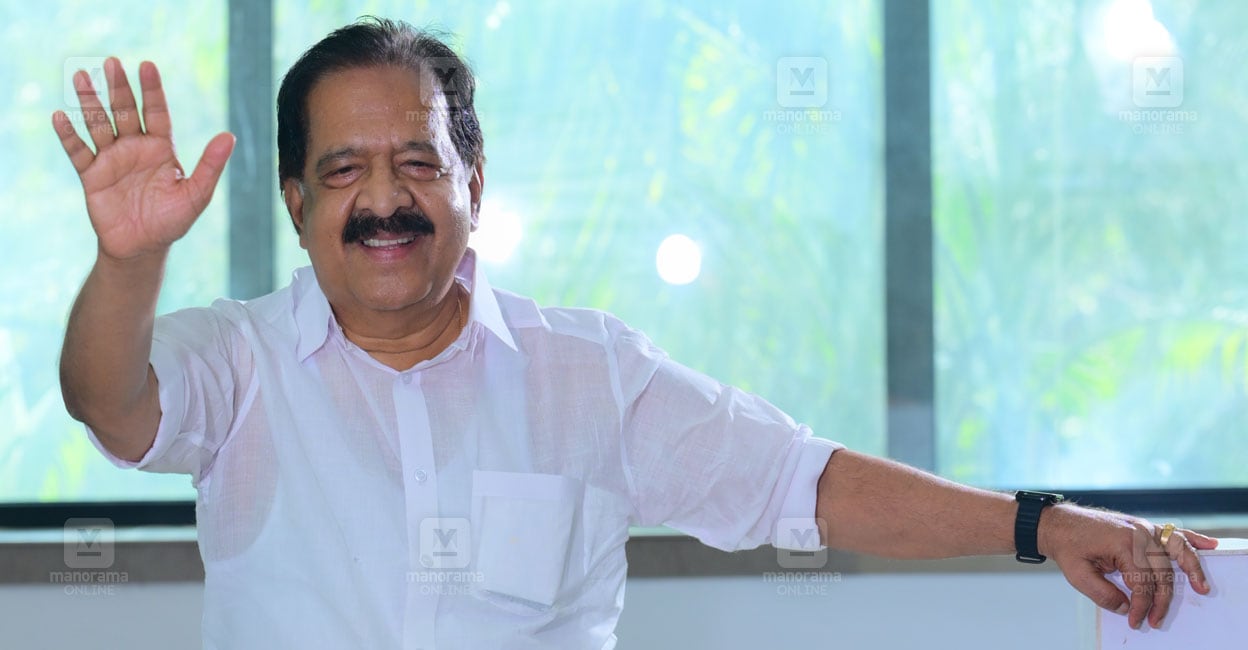
Chief Minister A. Revant Reddy said the next assembly election could be held in May‑June 2029 due to delimitation, and Congress aims to win 117 seats for a second consecutive term.
Key Takeaways
- Delimitation may shift Telangana elections to mid‑2029.
- Congress projects winning 117 assembly seats.
- BRS faces political decline while Congress seeks continuity.
Chief Minister A. Revant Reddy addressed a massive gathering at the ‘Rythu Ashirvada Sabha’ in Jagannadhapuram, Khammam, announcing that the next assembly election is likely to be held in May or June 2029 rather than December 2028, owing to the pending delimitation exercise.
Background on Delimitation
The Government of India’s 2023 Delimitation Act mandates a comprehensive redrawing of constituency boundaries across several states. In Telangana, the number of assembly constituencies could rise from the current 119 to 182, and Lok Sabha seats from 17 to 26. This reshaping will not only affect state‑level politics but also the balance of power in Parliament.
Congress’s Projection
Reddy confidently forecast that the Congress party will secure 117 assembly seats in the 2029 polls, ensuring a second successive term in the state. He also projected a dominant performance in the newly created 26 Lok Sabha seats, expecting Congress to win 20 of them, and expressed optimism that Rahul Gandhi could become the next Prime Minister.
Political Counterpunch
The chief minister accused the BJP‑led central government of pushing the Delimitation Bill “by hook or crook,” alleging that it engineered splits in the Trinamool Congress (TMC) and the Aam Aadmi Party (AAP) to smooth its passage. He also targeted the Bharat Rashtra Samithi (BRS), accusing it of spreading misinformation, internal discord, and even attempts to merge with the BJP.
Implications for Telangana
If Congress’s forecast materialises, Telangana could witness a prolonged period of political stability under a farmer‑friendly agenda, exemplified by the ongoing ₹1,009‑crore ‘Rythu Bharosa’ scheme. Conversely, the BRS, after a decade of alleged misrule and a state debt exceeding ₹8 lakh crore, may confront an existential crisis. The upcoming election cycle will therefore be a litmus test for policy continuity, fiscal management, and the evolving dynamics of regional versus national party influence.