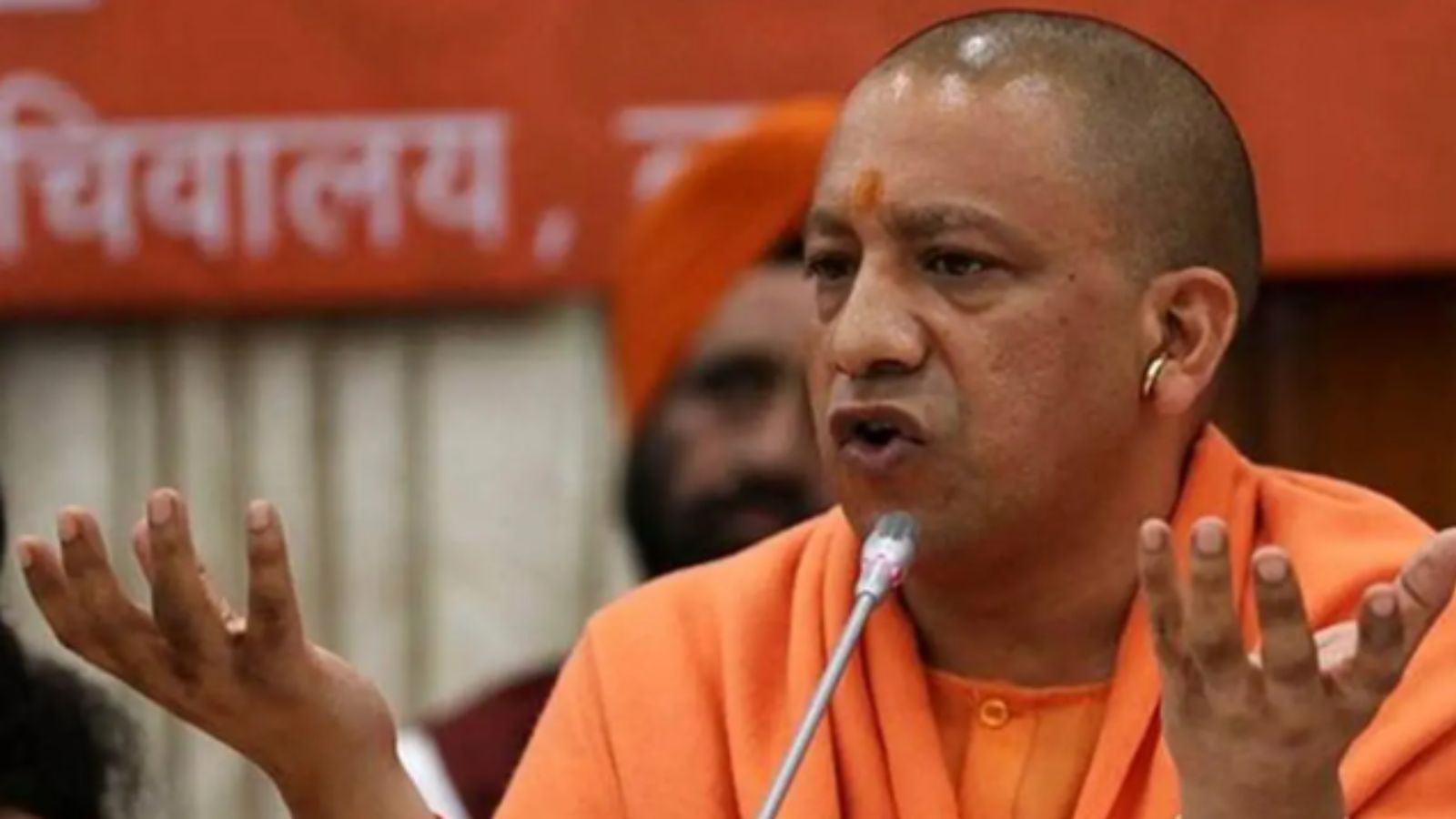
During his first visit to Ayodhya since the Special Investigation Team (SIT) was formed to probe alleged donation theft from the Ram Temple, Chief Minister Yogi Adityanath launched a sharp attack on opposition parties, alleging that previous governments allowed namaz on the steps of the Hanumangarhi temple. The comment further inflames political polarization amid ongoing investigations.
Key Takeaways
- CM Yogi Adityanath accuses opposition of permitting namaz on Hanumangarhi temple steps.
- Special Investigation Team (SIT) is still probing alleged donation theft from the Ram Temple.
- Ayodhya’s rapid infrastructure and religious tourism development is touted as a BJP achievement.
Ayodhya, a city steeped in religious significance, has long been a flashpoint for political and sectarian tensions. In July 2026, as the SIT prepared its preliminary report on alleged donation theft from the Ram Temple, Chief Minister Yogi Adityanath took to a public rally in Bikapur to deliver a scathing critique of opposition parties, claiming that earlier governments had allowed namaz to be offered on the steps of the Hanumangarhi temple dedicated to Lord Hanuman.
Political Context
Since the 2003 Mulayam Singh Yadav administration, Ayodhya has witnessed debates over religious inclusivity and interfaith practices. Adityanath’s remark is a continuation of a long-running political narrative that frames opposition parties as proponents of religious dilution. By invoking a religious symbol as a political weapon, he intensifies societal polarization and deepens sectarian divides.
Ayodhya’s Transformation Under BJP
Adityanath highlighted the city’s “unprecedented transformation” under the BJP’s “double‑engine government.” He enumerated major projects such as the Maharishi Valmiki International Airport, Ram Path, Bhakti Path, revitalized Saryu ghats, expanded Suraj Kund, beautified Bharat Kund, and the push to make Ayodhya a solar city. These initiatives, he claimed, have positioned the city as a leading religious and tourism hub, attracting lakhs of devotees annually.
Implications and Potential Impact
The opposition has condemned the statement as an act of religious insensitivity and political polarization. If the claim spreads unchecked, it could cast doubt on the impartiality of the SIT’s investigation and question the integrity of the government’s actions. Politically, the move seeks to reinforce BJP’s narrative of religious revival, while simultaneously providing opposition parties with a new platform for criticism.
Overall, this incident underscores how Ayodhya remains a highly sensitive site where religious identity and political strategy intersect. The use of religious symbols as political tools risks deepening societal fractures and undermining communal harmony.