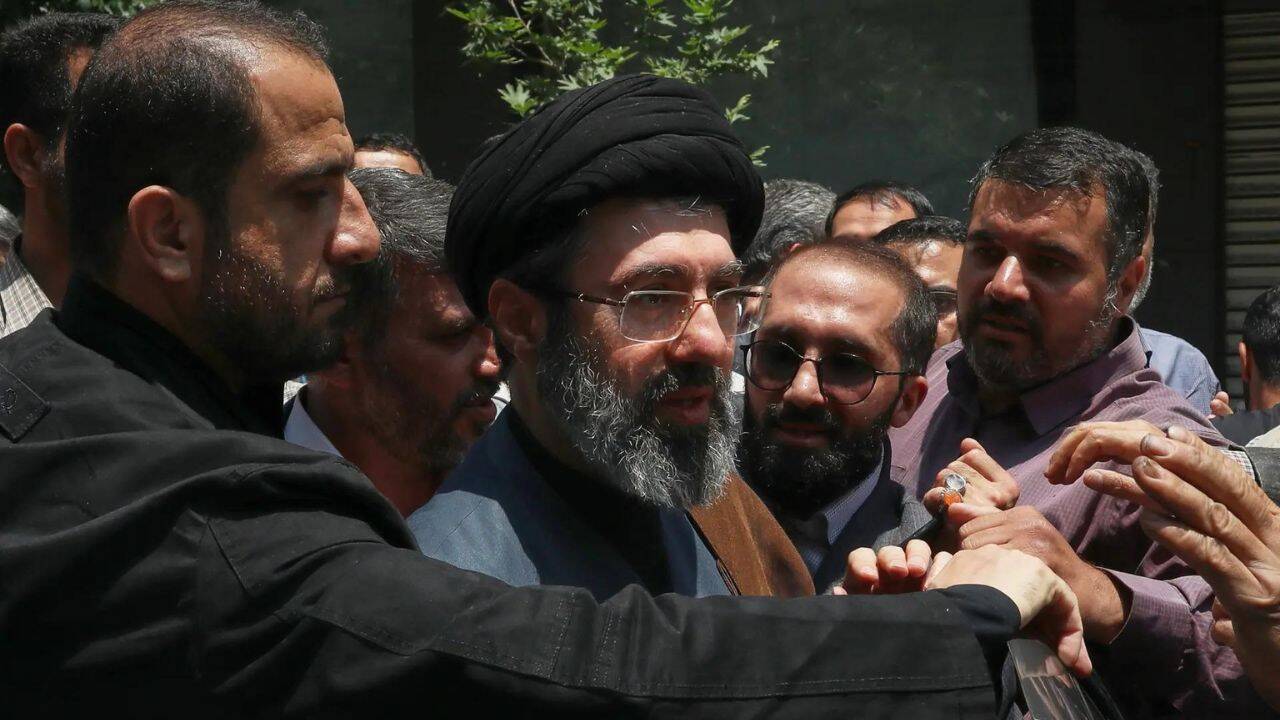
Following the funeral of Iran’s Supreme Leader Ayatollah Ali Khamenei, his son Mojtaba declared that avenging the slain leader is a national demand. The statement was echoed by the IRGC, while anti‑Trump banners added a volatile dimension to the proceedings.
Key Takeaways
- Mojtaba Khamenei frames revenge for his father as a national demand
- IRGC labels blood‑vengeance as legitimate and unforgettable
- Funeral processions featured overt threats against U.S. President Donald Trump
On July 11, 2026, Mojtaba Khamenei posted a written message on his official Telegram account declaring that avenging the blood of his slain father, Ayatollah Ali Khamenei, is “the demand of the nation” and must inevitably be fulfilled. The proclamation came amid the multi‑day funeral ceremonies held in Iran and Iraq after the Supreme Leader’s death in a US‑Israeli airstrike on February 28.
Funeral Ceremonies and National Response
The state‑organized mourning attracted massive crowds, and the Islamic Revolutionary Guard Corps (IRGC) issued an unequivocal statement that “blood vengeance” for Khamenei and other martyrs is a “certain, legitimate and unforgettable demand.” The IRGC pledged to hold “agents, commanders and supporters” responsible for the killings, positioning the call for revenge as a core element of Islamic community solidarity.
Anti‑Trump Rhetoric on the Streets
Throughout the week‑long processions, banners and posters bearing threats against U.S. President Donald Trump were prominently displayed. Some signs explicitly called for Trump’s killing and referenced bounties, turning the theme of revenge into one of the most visible aspects of the funeral rites and amplifying concerns over escalating Iran‑U.S. tensions.
Background of the February 28 Strike
Ayatollah Khamenei, aged 86, had ruled Iran with near‑absolute authority for nearly four decades before being targeted in a joint US‑Israeli airstrike that marked the opening hours of a new regional conflict. The strike triggered a surge in hostilities, disrupting commercial shipping through the Strait of Hormuz and pushing global oil prices higher.
Implications for Regional Stability
Mojtaba’s vow and the IRGC’s endorsement signal a unified domestic front, yet they also raise the specter of further escalation on the international stage. If the rhetoric translates into concrete military or cyber actions, it could jeopardize the fragile cease‑fire negotiated earlier and deepen instability across the Middle East. Analysts note that such public calls for vengeance often serve to consolidate internal political cohesion while masking more nuanced diplomatic calculations behind the scenes.
