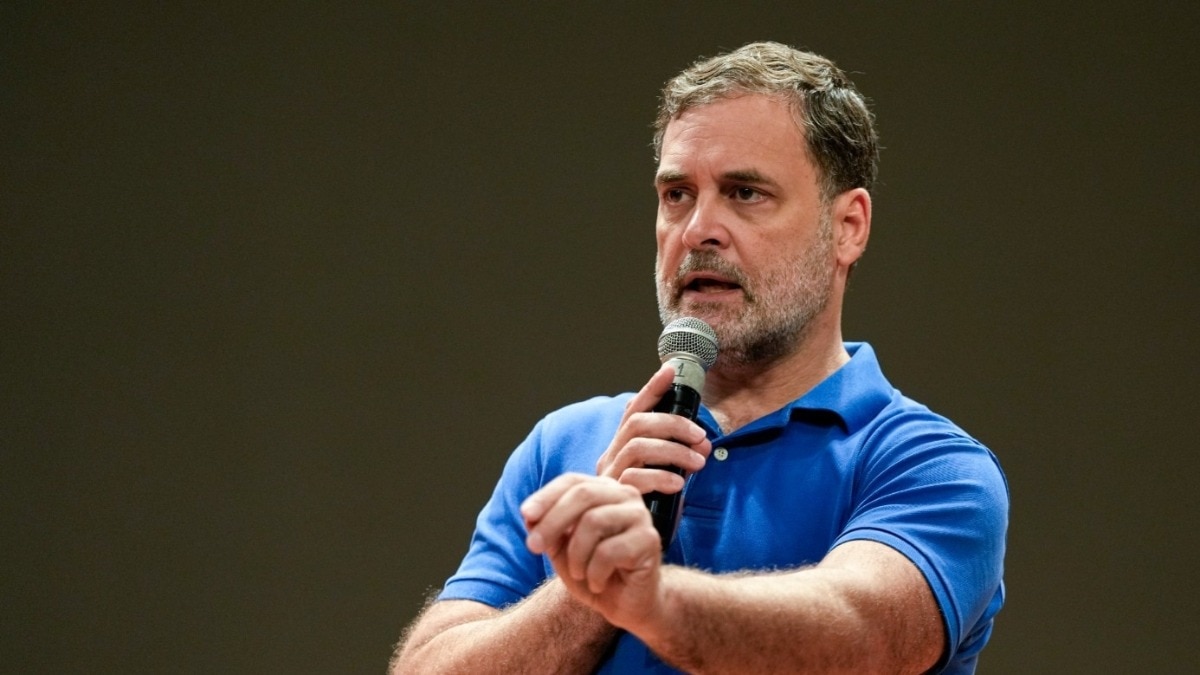
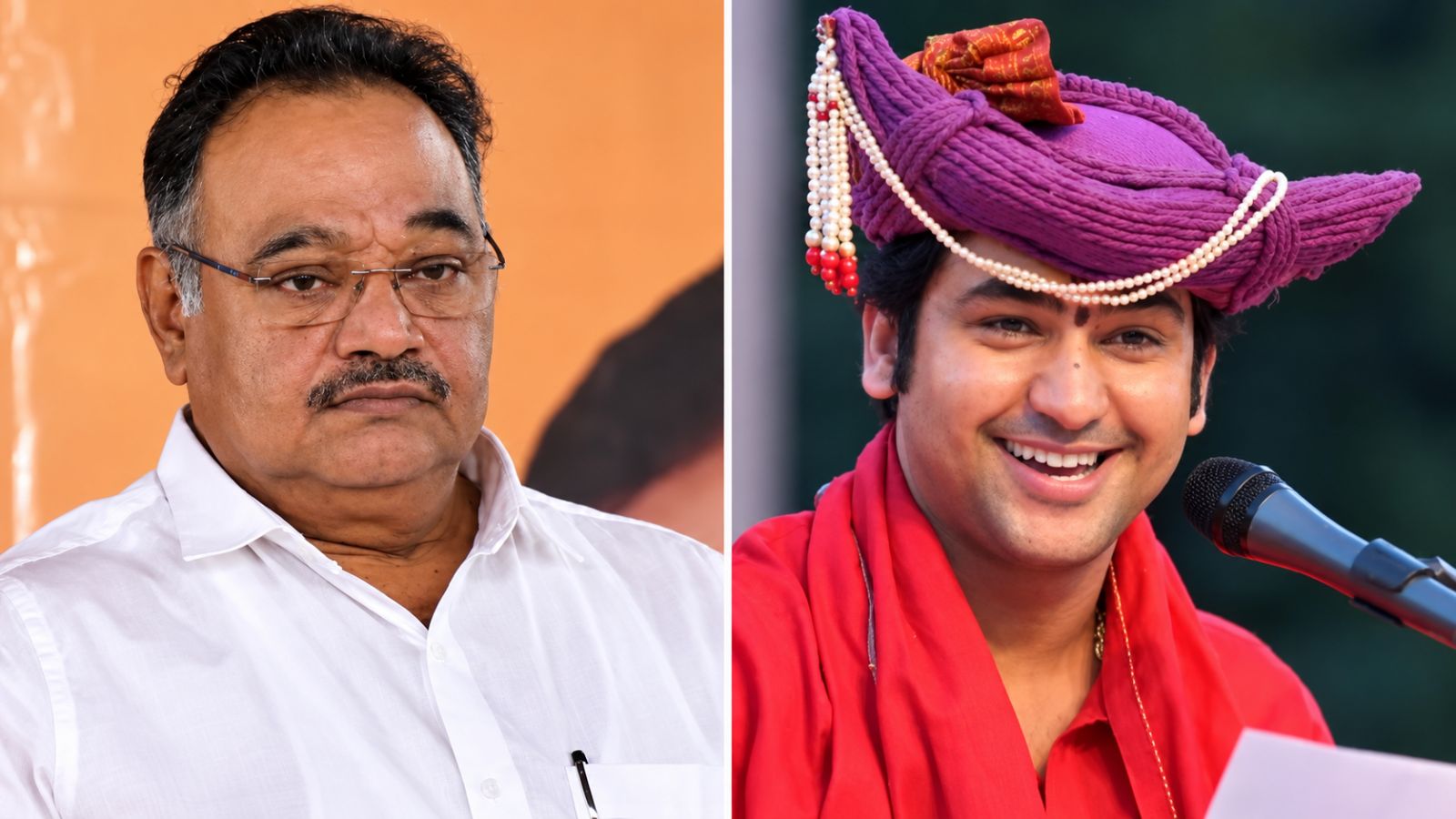
Senior Congress leader Pramod Tiwari claims that the actual perpetrators behind the Ayodhya Ram Temple donation embezzlement are being protected by the government. He reiterates the demand for a Supreme Court‑monitored probe.
Key Takeaways
- Pramod Tiwari alleges protection of real culprits by the government
- Calls for a Supreme Court‑monitored investigation
- Scam undermines public trust in the Ayodhya temple
Senior Congress figure Pramod Tiwari addressed a gathering in Lucknow on July 12, asserting that the true architects of the alleged donation embezzlement at the Ayodhya Ram Temple are being shielded by both Delhi and state machinery. He reiterated his demand for a Supreme Court‑monitored inquiry, emphasizing that “the eight arrested individuals are merely small fish in a larger, organized corruption nexus that has looted our holy shrine.”
Historical Context
The Ram Janmabhoomi movement began in the 1980s, spearheaded by the Vishwa Hindu Parishad (VHP) and the Bharatiya Janata Party (BJP). Tiwari, who served as a minister in the Uttar Pradesh government during that era, recounted how “common Hindu devotees were cheated from the outset.” The temple’s inauguration in 2024 was contested by several Shankaracharyas and Vedic scholars, who argued that the ceremony contravened established scriptures.
Current Allegations
The present controversy centers on alleged misappropriation of funds donated by devotees. Investigative reports suggest that senior officials and private interests have diverted these contributions for personal or partisan use, bypassing established financial oversight mechanisms. Tiwari stressed that “when serious concerns arise about temple offerings, financial oversight, and administrative practices, citizens expect clarity, transparency, and accountability.”
Political Ramifications
By raising the issue, Congress aims to reshape the narrative around Ayodhya, positioning itself against the BJP‑run temple administration. Tiwari indicated that the matter will feature prominently in the upcoming Monsoon session, where opposition members will seek to expose any “government machinery protecting the real culprits.” A Supreme Court‑monitored probe could become a watershed moment, potentially exposing systemic corruption and prompting reforms in temple governance.
Looking Ahead
The outcome of any judicial investigation will have far‑reaching implications for Indian politics and the public’s faith in religious institutions. A decisive ruling against the alleged perpetrators could restore confidence and set a precedent for financial accountability in faith‑based organizations. Conversely, a lack of substantive action may deepen political polarization and erode trust in both the temple’s custodians and the broader governmental framework.