Karnataka Chief Minister has formally requested Kerala’s chief minister to facilitate the donation of a female elephant from any willing temple in Kerala for use at the Mookambika Temple. The appeal follows strict inter‑state elephant transfer regulations enacted in 2024.
Key Takeaways
- Karnataka formally requests a female elephant donation from Kerala.
- Kerala’s forest department manages over 30 captive elephants but is not mandated to source donors.
- 2024 rules require ownership certificates and genetic profiling for any inter‑state elephant transfer.
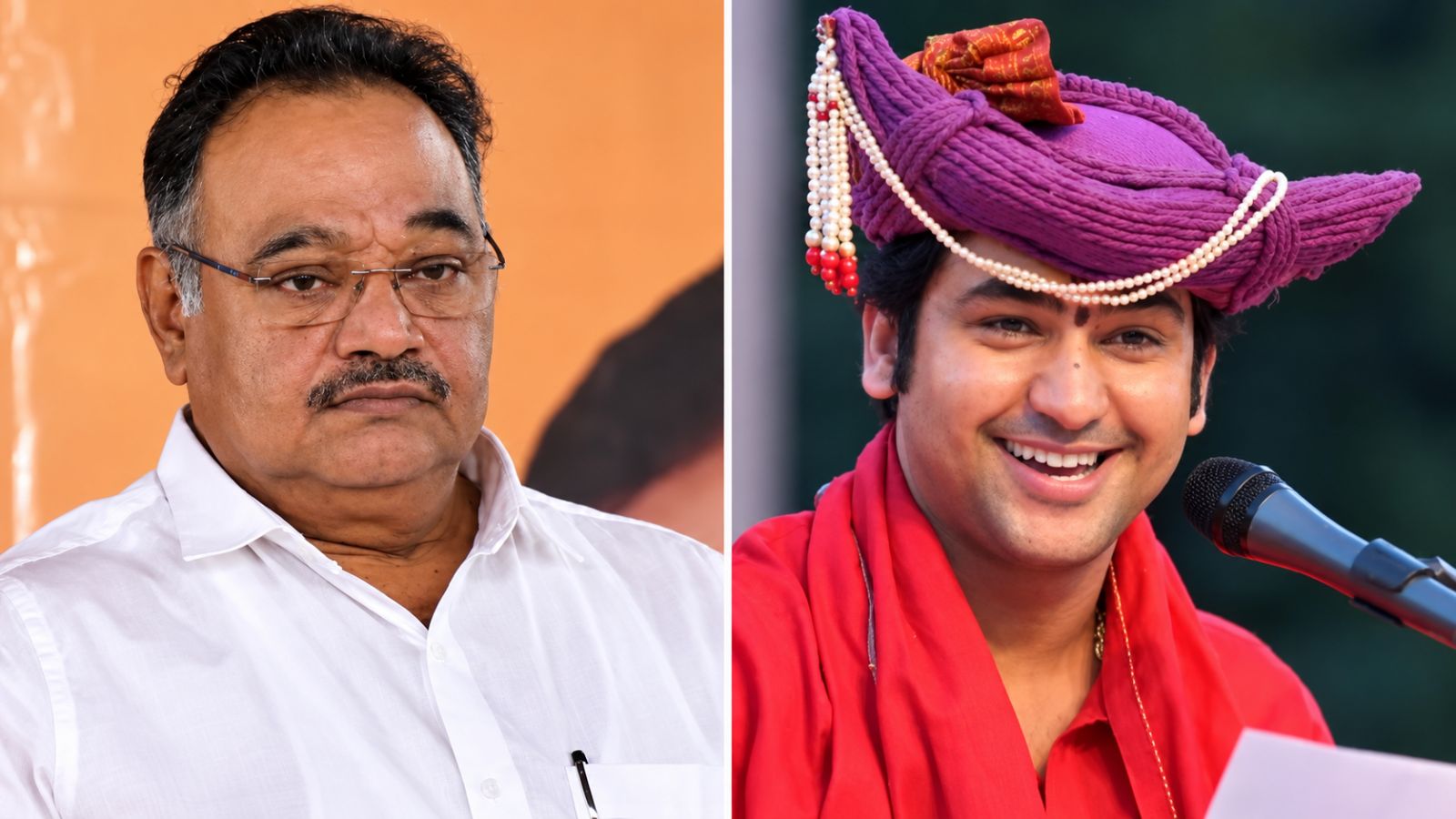
Chief Minister D.K. Sivakumar of Karnataka wrote to his Kerala counterpart V.D. Satheesan seeking the “donation of a female elephant from any willing temple in Kerala” for the Kollur Mookambika Temple in Udupi. The request aims to secure an elephant for traditional religious ceremonies and temple rituals, reinforcing the historic cultural bond between the two states.
Background and State Context
Kerala currently houses more than 30 captive elephants across forest camps such as Kottoor, Dhoni, Malayattoor and Konni. The state’s total captive elephant count stands at approximately 368, with an annual mortality of 15‑20 animals. Despite this sizable population, Kerala previously declined a similar request from the Telangana Chief Minister for camp elephants, highlighting the political sensitivity surrounding such transfers.
Legal Framework Governing Elephant Transfers
The Captive Elephant (Transfer or Transport) Rules, 2024 stipulate that only elephants possessing ownership certificates issued before 24 February 2024 and whose genetic profiles are entered in the Ministry of Environment, Forest and Climate Change’s electronic monitoring system may be moved across state lines. Additionally, the chief wildlife warden of the donor state must certify that the current owner can no longer maintain the animal and that the receiving party will provide superior care.
Kerala Forest Department’s Stance
A senior forest official clarified that the department’s mandate does not include actively scouting for donors or facilitating donations; it can only evaluate applications as prescribed by the rules. Consequently, the department cannot unilaterally arrange the elephant’s transfer, even though it acknowledges the request.
Implications and Future Outlook
Should Kerala approve the donation, it would deepen inter‑state cultural cooperation while also prompting renewed debate on wildlife conservation versus religious tradition. The episode underscores the need for clear, enforceable protocols that respect both legal safeguards and the symbolic importance of elephants in Indian temple culture.