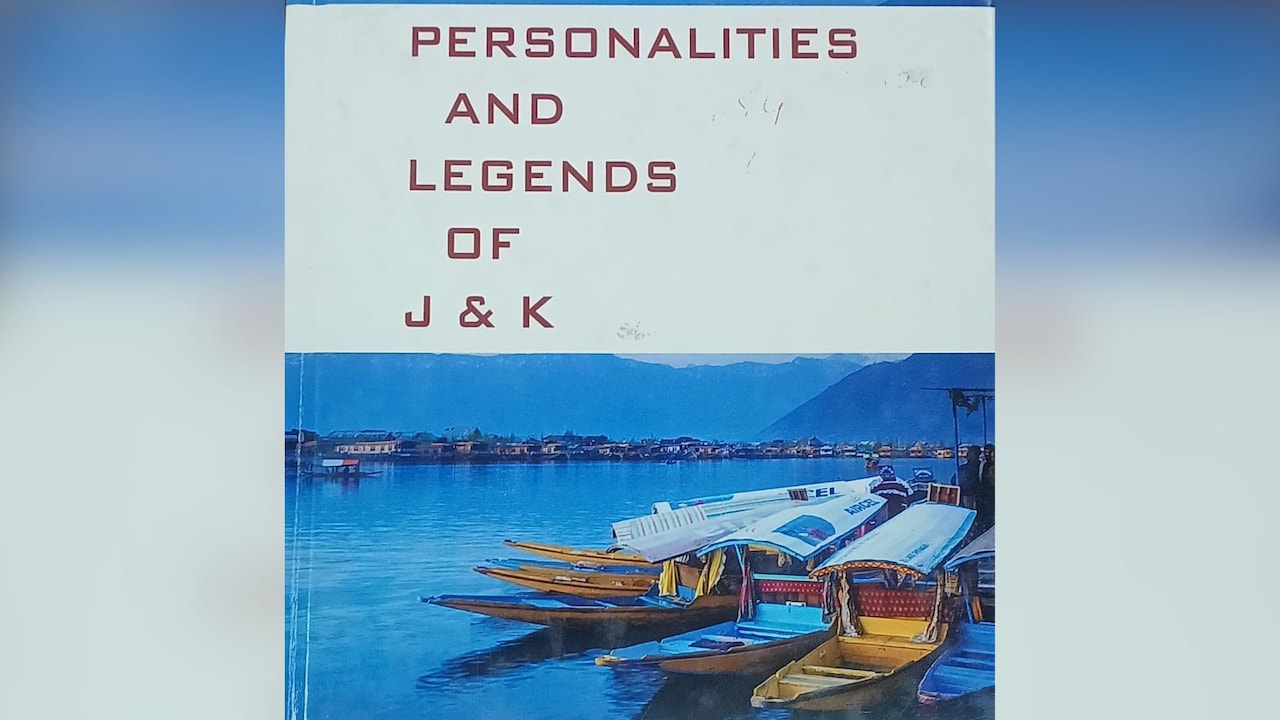
Sources in the Jammu and Kashmir Education Department say the probe is expected to widen, after a book portrayed several terrorists as prominent personalities of the region.
Key Takeaways
- Three publishers arrested for printing a book that glorifies terrorists.
- The book portrayed several separatists as prominent figures of Jammu & Kashmir.
- Investigation by the education department may expand, indicating stricter content enforcement.
In a high‑profile crackdown, authorities in Jammu & Kashmir have taken three publishers into custody after a controversial book was found to glorify multiple terrorists and separatist leaders. The publication, which depicted these individuals as celebrated regional personalities, sparked immediate outrage from the state’s administration.
Contested Content of the Book
The book’s chapters lavishly praised figures such as Mohammad Abu Bakr and Shahabuddin, framing them as freedom fighters rather than militants. Under Indian law, such portrayals can attract penalties under Section 295A of the Indian Penal Code for "deliberate and malicious acts intended to outrage religious feelings," as well as provisions of the Unlawful Activities (Prevention) Act (UAPA) that criminalize the propagation of extremist ideology.
Historical and Legal Context
Jammu & Kashmir’s volatile history has repeatedly forced the central government to impose content restrictions. Following the abrogation of Article 370 in 2019, the region saw a surge in surveillance over publications, digital media, and educational material. This latest arrest aligns with a broader pattern of heightened scrutiny, where any narrative that could be interpreted as sympathetic to separatist causes is swiftly dealt with.
Scope of Ongoing Investigation
According to officials from the Education Department, the current probe is only the tip of the iceberg. Authorities plan to trace the book’s distribution network, examine library holdings, and identify any additional collaborators who may have facilitated its circulation. The broadened investigation underscores a commitment to curtailing extremist propaganda across all media platforms.
Potential Long‑Term Implications
Legal experts warn that this crackdown could reshape the publishing landscape in the region, compelling writers and editors to self‑censor on sensitive topics. While national security concerns justify stringent measures, the balance between free expression and counter‑terrorism will be tested as the judiciary and civil society respond to these enforcement actions.