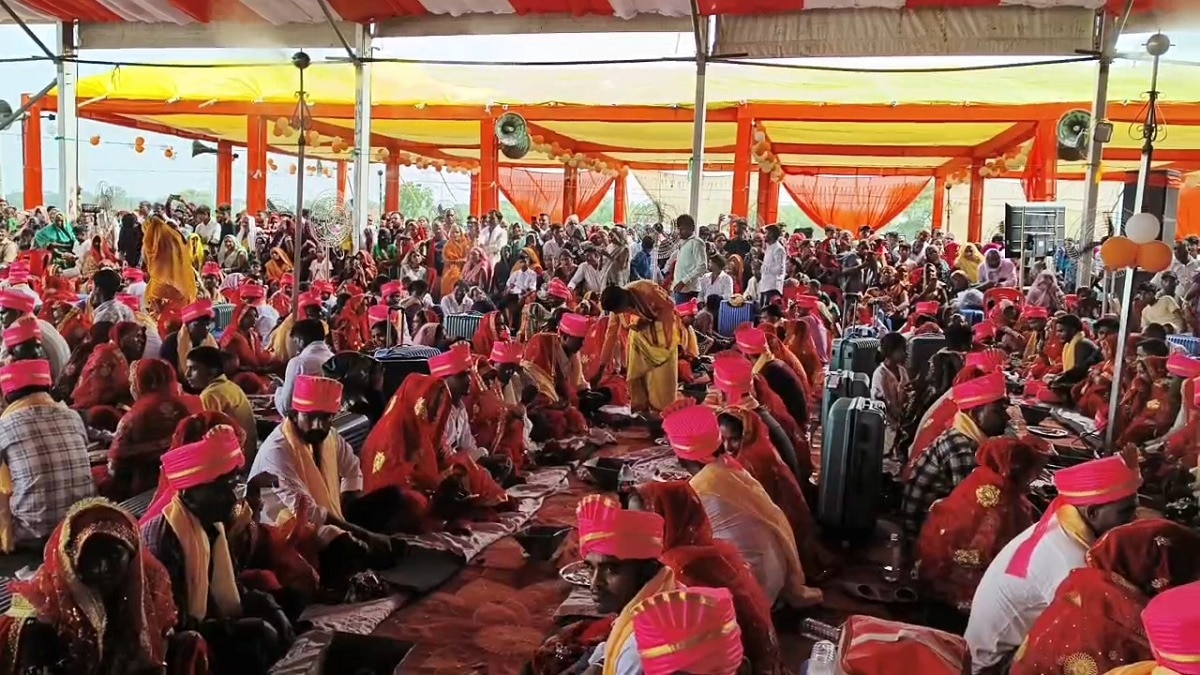
A massive fraud was exposed during a mass marriage event in Kaushambi, Uttar Pradesh, when fingerprint matching revealed a bride was paired with an unrelated groom for half the dowry. Three suspects have been booked, and the marriage registration was cancelled.
Key Takeaways
- Fraud uncovered in Uttar Pradesh's Chief Minister mass marriage scheme
- Fingerprint matching identified the impostor groom
- Three suspects booked, registration cancelled
During a large‑scale ceremony organized under Uttar Pradesh Chief Minister’s mass marriage scheme, a shocking case of fraud came to light in Kaushambi district. The scheme, aimed at providing affordable weddings for economically weaker sections, relied on biometric verification – a step that ultimately exposed the deceit.
Background of the Event
On 13 July 2026, a government‑sanctioned event in Sayara village of the Saini Kotwali block saw 230 couples tie the knot simultaneously. Among them was a young woman named Nagma, whose marriage had already been arranged with a groom from Raebareli, scheduled for 17 March 2027. However, the intended groom failed to appear at the venue, creating panic among her family.
The Fraudulent Arrangement
Seeking a quick fix, Nagma’s relatives offered half the dowry to a local youth, effectively seating him in the marriage hall as a “paid groom.” The ceremony proceeded, and biometric verification of the bride and groom was underway. While Nagma’s fingerprint matched the records, the groom’s fingerprint did not, raising immediate suspicion among officials.
Police Intervention
Following the biometric mismatch, the police launched a swift investigation. An FIR was lodged against the impostor, his brother Shivam Valmiki, and two alleged conspirators – Quraišan Bano and Amarjeet Maurya. The district officer (CDO) simultaneously annulled Nagma’s marriage registration and ordered a comprehensive probe into the entire incident.
Implications and Wider Significance
This episode underscores two critical issues: the persisting influence of dowry expectations in rural India and the growing importance of biometric safeguards in public welfare schemes. While fingerprint technology proved effective in catching the fraud, it also highlights the need for stricter oversight and community awareness to prevent similar manipulations. If addressed properly, the incident could reinforce confidence in mass marriage initiatives and curb exploitative practices.