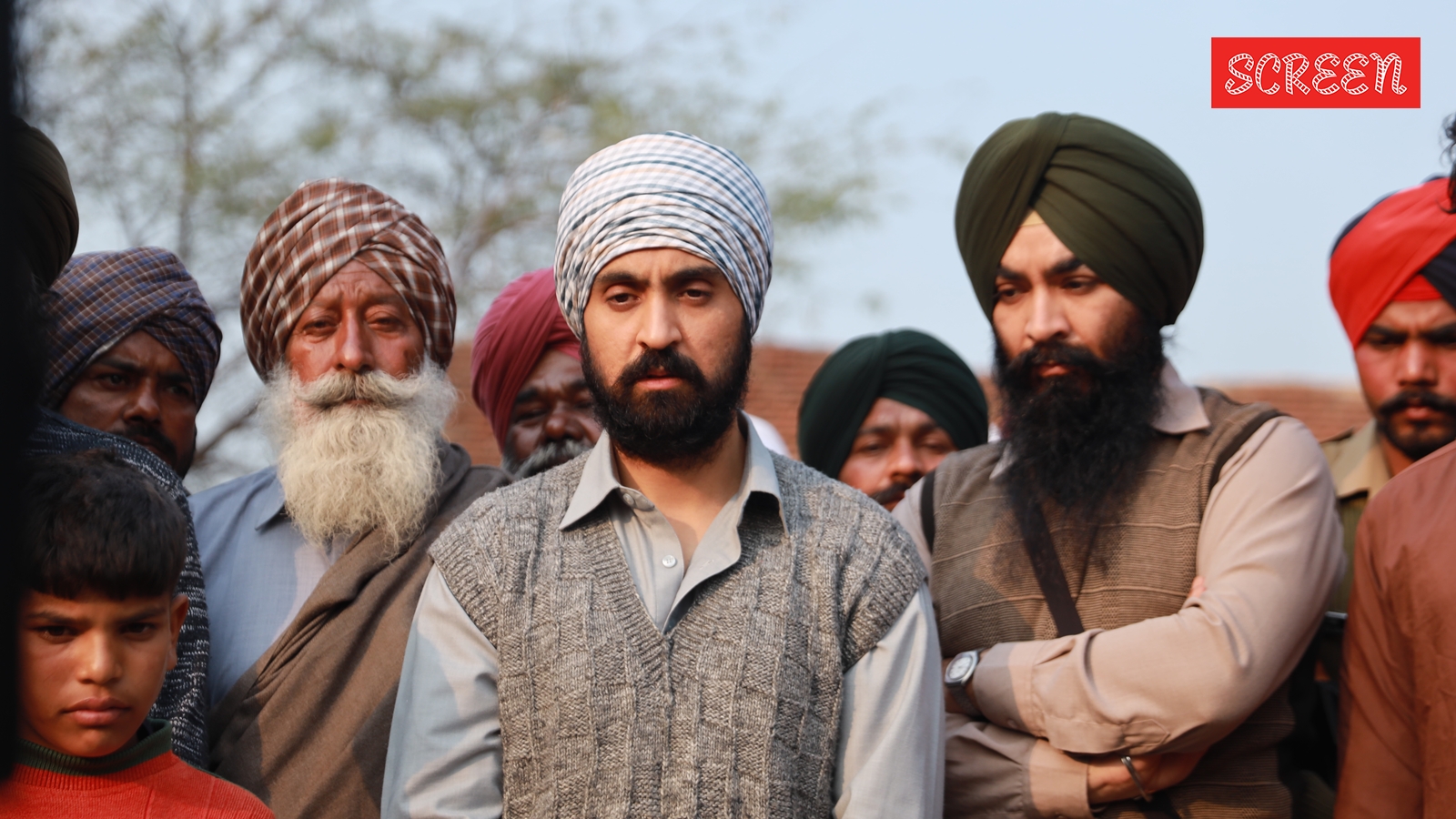
Akal Takht Jathedar Giani Kuldeep Singh Gargaj declared Harike Pattan as ‘Shaheedi Pattan’ and ordered the construction of a memorial for human‑rights activist Jaswant Singh Khalra and other unidentified victims of the 1982‑1995 militancy era. The move, announced amid the contentious Satluj film debate, aims to preserve history and provide closure for grieving families.
Key Takeaways
- Harike Pattan declared as Shaheedi Pattan with a memorial order
- Initiative to document unidentified victims from 1982‑1995
- Decision comes amid Satluj movie controversy, emphasizing unity and historical truth
The supreme temporal seat of the Sikhs, Akal Takht, announced on Tuesday that a Shaheedi memorial will be erected at Harike Pattan, a site believed to hold the remains of countless victims of Punjab’s militancy period. The proclamation was made by Jathedar Giani Kuldeep Singh Gargaj after a special Ardas for the eternal peace of Jaswant Singh Khalra and other missing youths who were allegedly subjected to extrajudicial killings.
Background: Khalra’s Fight and the Militant Era
Jaswant Singh Khalra, a prominent human‑rights activist, disappeared on September 6, 1995, after exposing the illegal cremation of over 2,097 “unclaimed” bodies in Amritsar. Police forces later confirmed that Khalra was abducted, tortured, and killed, his body allegedly dumped into the Sutlej River. His investigation had revealed systematic attempts to erase evidence of state‑sanctioned violence during the 1980‑1990s insurgency, a period marked by fake encounters and mass disappearances.
Satluj Film Controversy
Simultaneously, the upcoming film “Satluj,” which dramatizes Khalra’s life, has ignited heated debate across political and community lines. Critics argue the movie distorts historical facts, while supporters claim it brings overdue attention to the atrocities. The Jathedar’s announcement, therefore, serves as a unifying gesture, honoring all victims regardless of religious or communal identity.
Documentation and Memorial Plans
Gargaj outlined a two‑pronged approach: a physical memorial at Harike Pattan and a comprehensive archival project documenting individuals “killed as unidentified persons” between 1982 and 1995. These records will be incorporated into the official archives of the Akal Takht, ensuring that the sacrifices of Punjab’s youth are neither forgotten nor erased.
Community Response and Future Outlook
The ceremony attracted families of the disappeared, clergy, activists, and ordinary devotees. SGPC President Harjinder Singh Dhami praised Khalra as a “Panthic martyr” and pledged SGPC’s full support for the memorial’s construction and the inscription of martyrs’ names. Union Minister of State Ravneet Singh Bittu also thanked the Jathedar, emphasizing that the bloodshed of the 1990s belonged to all Punjabis, not a single community.
Political leaders, including State BJP chief Kewal Singh Dhillon, urged an end to the Satluj controversy, noting that reopening old wounds hampers healing. Yet, the consensus among attendees was clear: a tangible memorial and accurate historical records are essential for justice, reconciliation, and the preservation of Punjab’s collective memory.


