West Bengal Chief Minister Suvendu Adhikari announced that the Centre has approved ₹1,000 crore for constructing 2,400 km of rural roads and sanctioned one lakh houses under the PM Awaas Yojana. The state also received nod to extend the 125‑day guaranteed employment scheme to 2.56 crore job‑card holders.
Key Takeaways
- Centre allocates ₹1,000 crore under the Gram Sadak Yojana for rural road construction.
- One lakh houses approved under the Prime Minister Awaas Yojana.
- Approval for extending the 125‑day guaranteed work scheme to 2.56 crore job‑card holders.
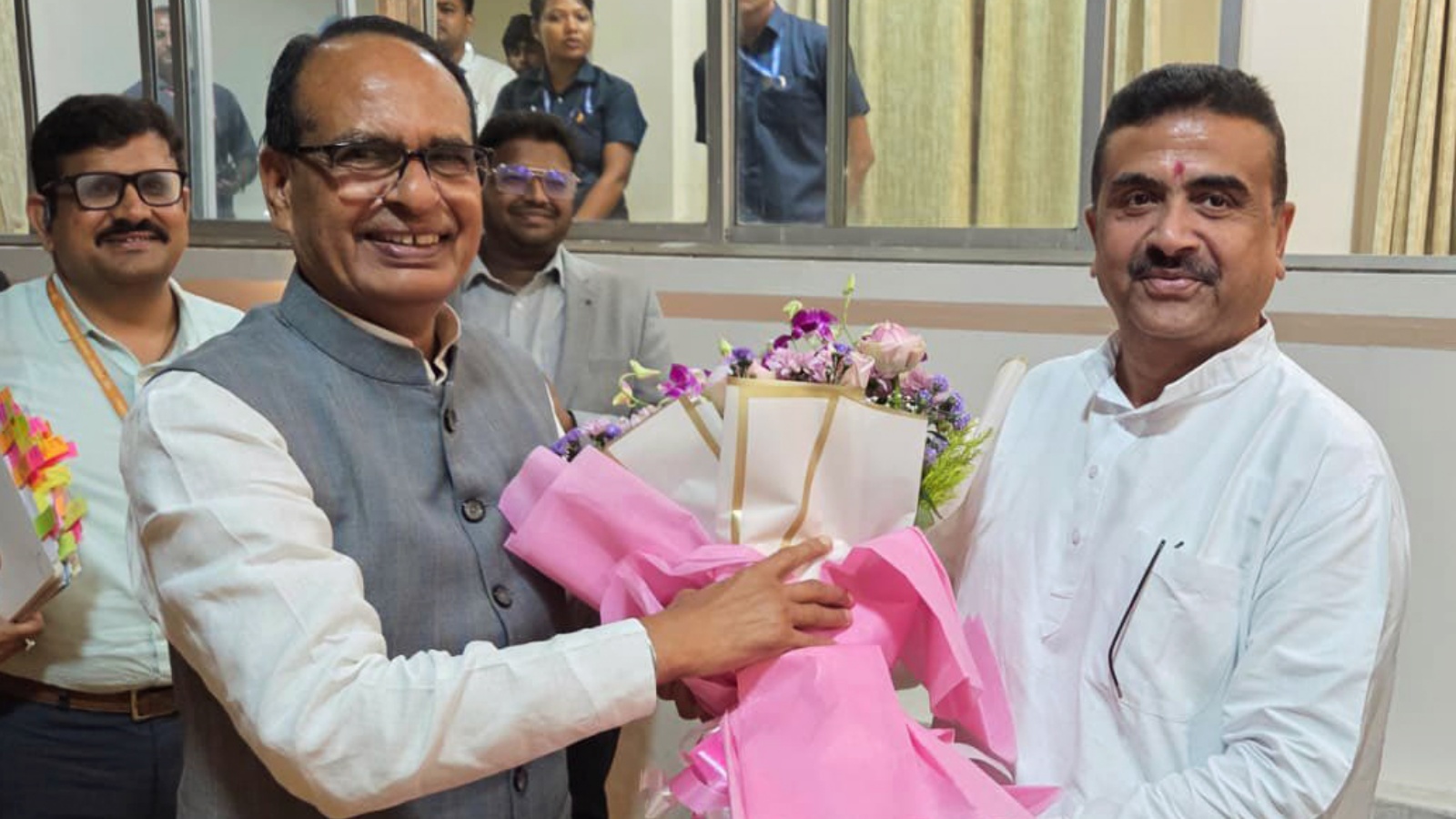
During a meeting in Kolkata between West Bengal Chief Minister Suvendu Adhikari and Union Agriculture Minister Shivraj Singh Chouhan, the Centre announced a substantial financial package for the state’s rural development. The package includes ₹1,000 crore for building 2,400 km of roads under the PM Gram Sadak Yojana and the sanctioning of one lakh houses under the Pradhan Mantri Awaas Yojana.
Infrastructure Funding Overview
The Gram Sadak Yojana, a flagship programme aimed at improving connectivity in India’s hinterland, will see a significant boost in West Bengal. The new 2,400 km of rural roads are expected to reduce transport costs for farmers, enhance access to health and education services, and improve emergency response times. Experts estimate that this addition could increase the state’s total rural road network by roughly 15 %.
Housing Scheme and Employment Initiative
Under the PM Awaas Yojana, the construction of one lakh affordable homes will target low‑income families, delivering secure and dignified housing. Simultaneously, the state has identified 2.56 crore job‑card holders for the VB‑G RAM G scheme, guaranteeing 125 days of work. Daily wages have been set at ₹300 for unskilled, ₹450 for semi‑skilled, and ₹600 for skilled workers, promising a tangible uplift in rural incomes.
Agricultural Training and Research Units
Minister Chouhan announced the establishment of four new agricultural training and research centres, including a rice‑focused institute in Chinsurah and a mango research hub in Malda. An upfront allocation of ₹100 crore will support these units, aligning with the Prime Minister Dhan‑Dhaanya Krishi Yojana that aims to revitalize 100 under‑performing districts across the country.
Political Context and Past Hurdles
The announcement also addressed the stalled projects from the previous TMC administration, which had left about ₹82,492 crore of sanctioned benefits incomplete due to non‑cooperation with the Centre. The new government emphasizes that these obstacles have been removed, allowing development work to accelerate. Additionally, women’s self‑help groups have been granted a bank loan of ₹235 crore and an extra ₹50 crore for other investments, bolstering female entrepreneurship.
Future Implications
While the scale of funding promises a transformation of West Bengal’s rural infrastructure, the speed and transparency of implementation will determine whether these promises translate into tangible benefits. If executed on schedule, the initiatives could drive sustained economic growth, job creation, and social development across the state’s countryside.