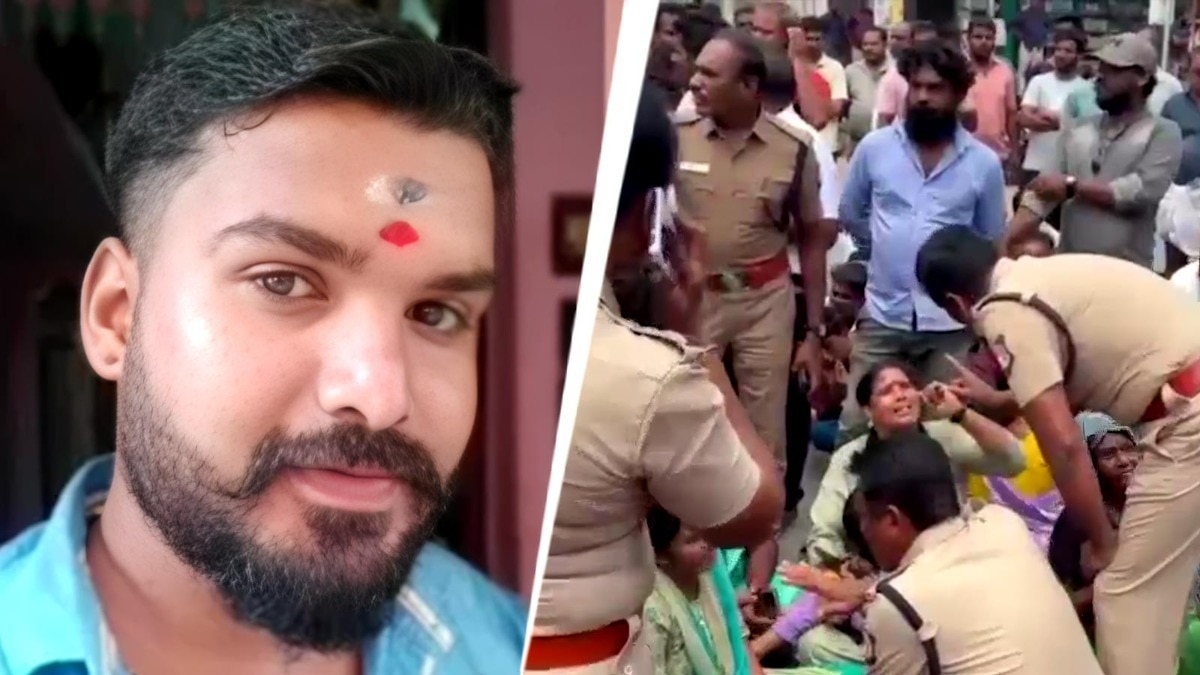
A disabled man arrested for selling gutka died while in custody, igniting a political firestorm in Tamil Nadu. The Dravida Munnetra Kazhagam (DMK) has demanded a written response from Chief Minister Vijay, raising concerns over human rights and law‑enforcement oversight.
Key Takeaways (मुख्य बिंदु)
- Death of a disabled detainee raises serious human‑rights concerns.
- DMK seeks a written reply from Chief Minister Vijay regarding the incident.
- The case fuels debate on gutka bans and police accountability in Tamil Nadu.
In a small town of Tamil Nadu, a disabled individual, identified as Raghav (name altered), was apprehended by police for selling gutka—a chewable tobacco product illegal in many Indian states. Within two weeks of his detention, he collapsed in the jail cell and was declared dead. The sudden demise has reverberated through the state's political corridors.
Legal Context and Background
Gutka, a mixture of tobacco, areca nut, and flavoring agents, has been banned in several Indian states due to health hazards. Yet, its illicit trade persists in Tamil Nadu, often facilitated by informal networks. The Indian Constitution guarantees protection for persons with disabilities, prohibiting discrimination and demanding humane treatment at all times.
Details of the Incident
Police records indicate that Raghav was caught with small packets of gutka during a routine raid. He was taken to the local police station for questioning. Two weeks later, he was found unconscious and later pronounced dead. Authorities claim natural causes, but the family and human‑rights groups label the death as “custodial homicide,” calling for an independent autopsy and transparent investigation.
DMK's Political Response
The Dravida Munnetra Kazhagam (DMK) swiftly demanded a written answer from Chief Minister Vijay. The party’s spokesperson asserted, “If a disabled citizen is killed while in custody, it shakes the very foundations of our democracy.” The demand includes a detailed police report, medical findings, and an overview of ongoing anti‑gutka enforcement actions.
Implications and Future Outlook
The incident has intensified calls for stricter enforcement of the gutka ban and for reforms in police custodial practices. Civil‑society groups are urging the state government to adopt robust monitoring mechanisms, improve prison health standards, and ensure that disabled individuals receive special protection under the law. A transparent probe could set a precedent for nationwide police accountability and reinforce the rights of vulnerable populations.