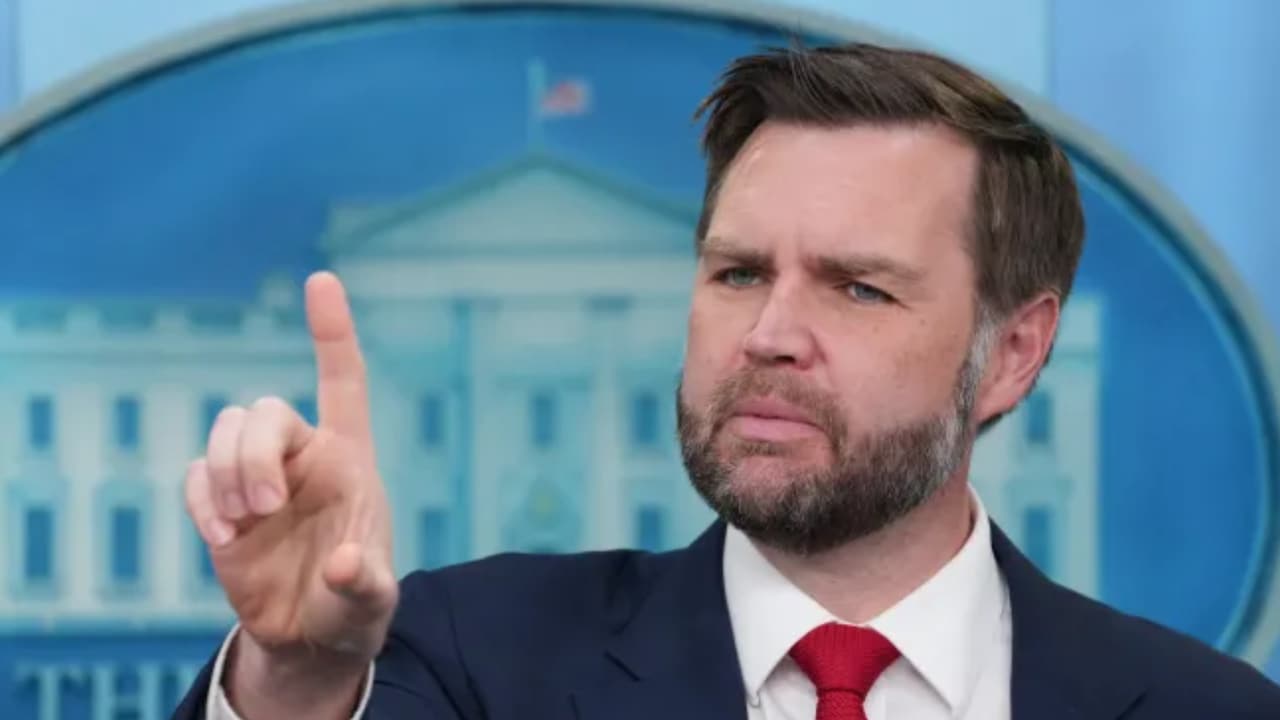
JD Vance admitted on the Joe Rogan podcast that the Trump administration mishandled communications regarding the Epstein files. He specifically pointed to former Attorney General Pam Bondi's controversial claims about the client list.
Key Takeaways
- JD Vance publicly criticized the Trump administration's handling of the Epstein file communications during a podcast with Joe Rogan.
- He attributed the failure largely to former Attorney General Pam Bondi's statements regarding the infamous client list.
- The admission highlights growing internal and external pressure for transparency regarding high-profile cases involving powerful figures.
During a lengthy and highly anticipated podcast interview with Joe Rogan released this Wednesday, Senator JD Vance made a startling admission regarding the internal workings of the Trump administration. Vance stated that the administration had "absolutely" mishandled the communications surrounding the release and status of the Jeffrey Epstein files. This confession comes at a time when public scrutiny over the handling of documents related to the late financier is at an all-time high.
The Pam Bondi Controversy
Vance directed much of his criticism toward former Attorney General Pam Bondi, whose recent comments had sparked a firestorm of speculation. Bondi had famously claimed that an alleged "client list" of Epstein's associates was "sitting on my desk right now." This statement was widely interpreted as a precursor to a massive release of names, potentially implicating powerful figures across the political spectrum. However, when no such list was immediately produced, the administration faced accusations of hype and obfuscation. Vance acknowledged that this disconnect between rhetoric and reality was a significant error in judgment.
Political Implications and Transparency
The Epstein case remains one of the most politically charged topics in the United States, with voters demanding full accountability and transparency. Vance's willingness to call out a "screw up" within his own political camp suggests a strategic pivot toward honesty, perhaps aiming to rebuild trust with a skeptical electorate. By acknowledging the misstep, Vance attempts to distance the current leadership from the botched narrative, emphasizing that the American people deserve straight answers rather than political theater. As the 2024 cycle heats up, how the administration addresses these lingering questions will be crucial in maintaining their base's confidence.