In a major boost to the agrarian community, the Maharashtra government has announced a one-time waiver of ₹48,000 crore in pending electricity dues for farmers. This follows the recent massive farm loan waiver scheme.
Key Takeaways
- Maharashtra government to waive ₹48,000 crore in pending agricultural electricity bills.
- Relief targets farmers using agricultural pumps up to 7 HP.
- The move complements the recently announced ₹36,500 crore farm loan waiver.
- Government aims to boost industrial revenue to fund these massive welfare outlays.
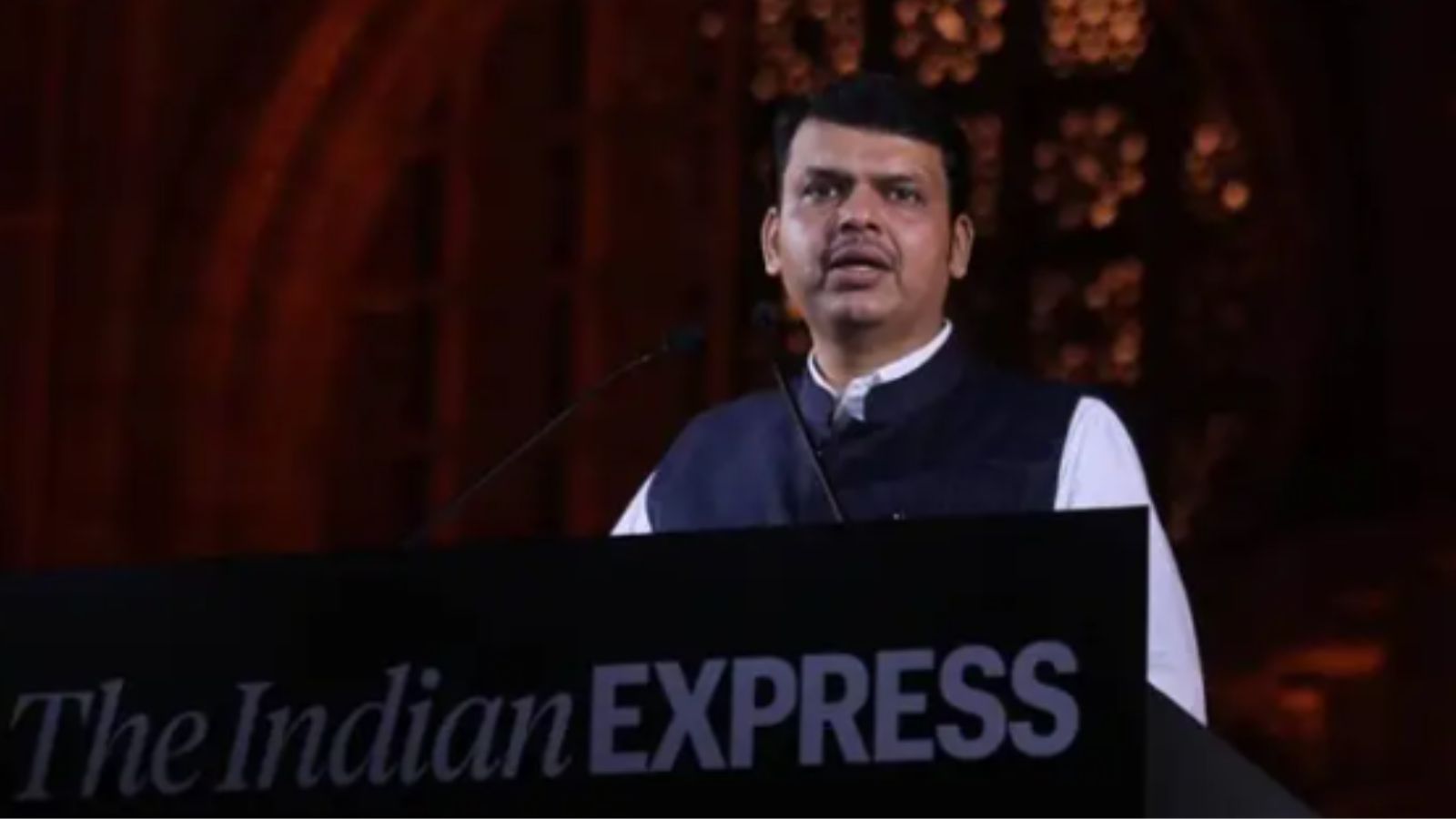
Mumbai: In a significant move aimed at easing the financial distress of the farming community, the Maharashtra government has announced a massive one-time waiver of ₹48,000 crore in pending electricity dues. Chief Minister Devendra Fadnavis made this announcement during a BJP function in Mumbai, reinforcing the state's commitment to agrarian welfare.
Addressing the Legacy Debt
The decision specifically targets farmers utilizing agricultural pumps of up to 7 HP. While the state has been providing free electricity to these consumers through an annual budgetary subsidy of approximately ₹25,000 crore, many farmers remained burdened by legacy unpaid bills. These old dues often hindered farmers from securing new electricity connections. By writing off these arrears, the government aims to provide a clean slate to millions of cultivators across the state.
A Growing Pattern of Welfare Spending
This announcement comes on the heels of the expanded Punyashlok Ahilyadevi Holkar farm loan waiver scheme, which is expected to benefit 56 lakh farmers at an estimated cost of over ₹36,500 crore. Furthermore, the state's flagship Mukhyamantri Majhi Ladki Bahin Yojana has already seen an expenditure exceeding ₹60,000 crore. The cumulative financial commitment of these various schemes highlights the government's aggressive populist agenda aimed at rural and female empowerment.
Economic Implications and Revenue Strategy
Addressing the concerns regarding the state's fiscal health, Chief Minister Fadnavis emphasized that the government is actively working to expand the tax base. "The government is making efforts to increase revenue through the industry and services sector. As our revenue grows, we will be able to make greater allocations for the agriculture sector," he stated. The success of this strategy will depend on whether industrial growth can keep pace with the massive outlays required for these social welfare programs.