U.S. District Judge James Boasberg issued a preliminary injunction stopping the Trump administration's visa restriction policy. The ruling protects non‑U.S. researchers working on misinformation, fact‑checking, and content moderation from deportation and green‑card revocation.
मुख्य बिंदु (Key Takeaways)
- Judge James Boasberg blocks the Trump-era visa restriction policy.
- The court deems the policy unconstitutional for targeting only researchers.
- The decision safeguards U.S.‑based misinformation‑research institutions.
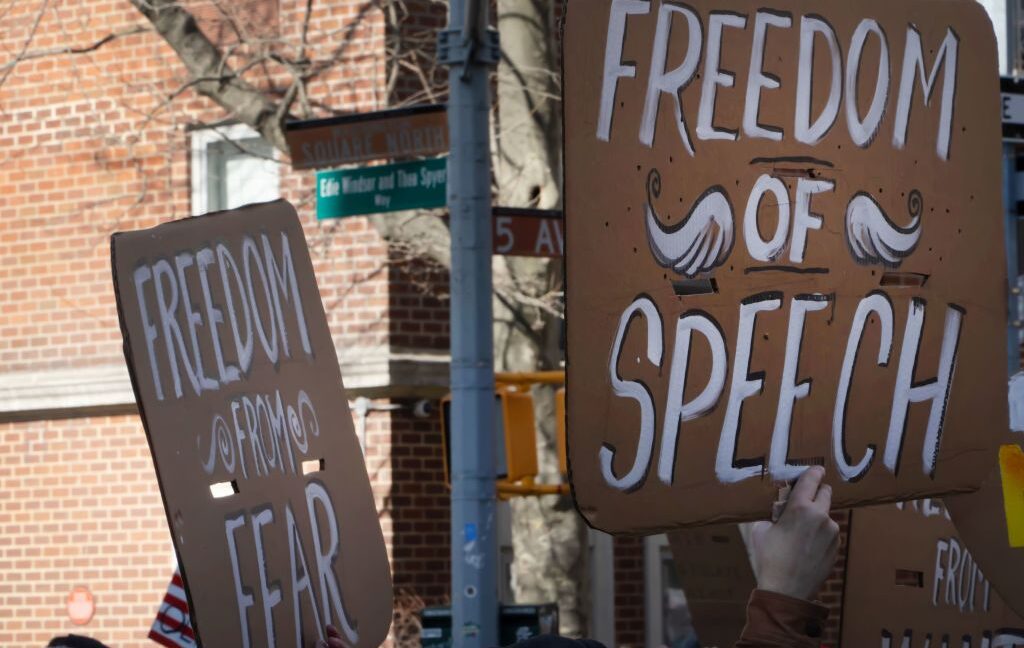
In a decisive legal move this week, U.S. District Judge James Boasberg granted a preliminary injunction that halts the implementation of a visa‑restriction policy championed by the Trump administration. The policy, which sought to revoke green cards and deport non‑citizens involved in misinformation, disinformation, fact‑checking, content moderation, compliance, and trust‑and‑safety work, was deemed overreaching and potentially chilling to free speech.
Background and Policy Intent
At the end of 2020, the Trump administration introduced a covert protocol under an executive order aimed at identifying foreign nationals suspected of aiding “foreign adversaries” in manipulating public opinion. This protocol placed groups such as the Coalition for Independent Technology Research (CITR) under scrutiny, effectively threatening the immigration status of scholars and technologists who combat fake news.
Legal Challenge and Preliminary Injunction
When CITR filed suit, the court swiftly responded with a preliminary injunction, preventing the State Department from enforcing the policy until the case is resolved. Judge Boasberg emphasized that “balancing civil liberties with national security cannot justify a blanket policy that lacks concrete evidence.”
Potential Impact of the Ruling
The injunction carries multi‑layered implications. Firstly, it directly protects researchers whose work is essential to countering misinformation ecosystems. Secondly, it sends a clear message to the federal government that any immigration measure must respect constitutional protections. Finally, it may serve as a precedent for other democracies where governments invoke security concerns to curtail academic freedom.
Looking Ahead
Following the injunction, CITR has pledged to continue its legal fight, aiming for a full overturn of the policy. Legal scholars suggest that this case could reshape the interplay between U.S. immigration law and First‑Amendment rights, making it easier to challenge future attempts to silence critical voices under the guise of security.