Across BJP‑run states, Prime Minister Narendra Modi’s itineraries are now preceded by large‑scale Swachhata Se Swagat cleanliness drives. While the campaigns mobilise citizens and officials, their true impact will be judged by how clean public spaces remain after the visits end.
मुख्य बिंदु (Key Takeaways)
- BJP ties Modi’s state visits to Swachhata Se Swagat cleanliness drives
- Massive clean‑up operations launched in Haryana, Odisha and West Bengal
- Long‑term success hinges on sustained cleanliness post‑visit
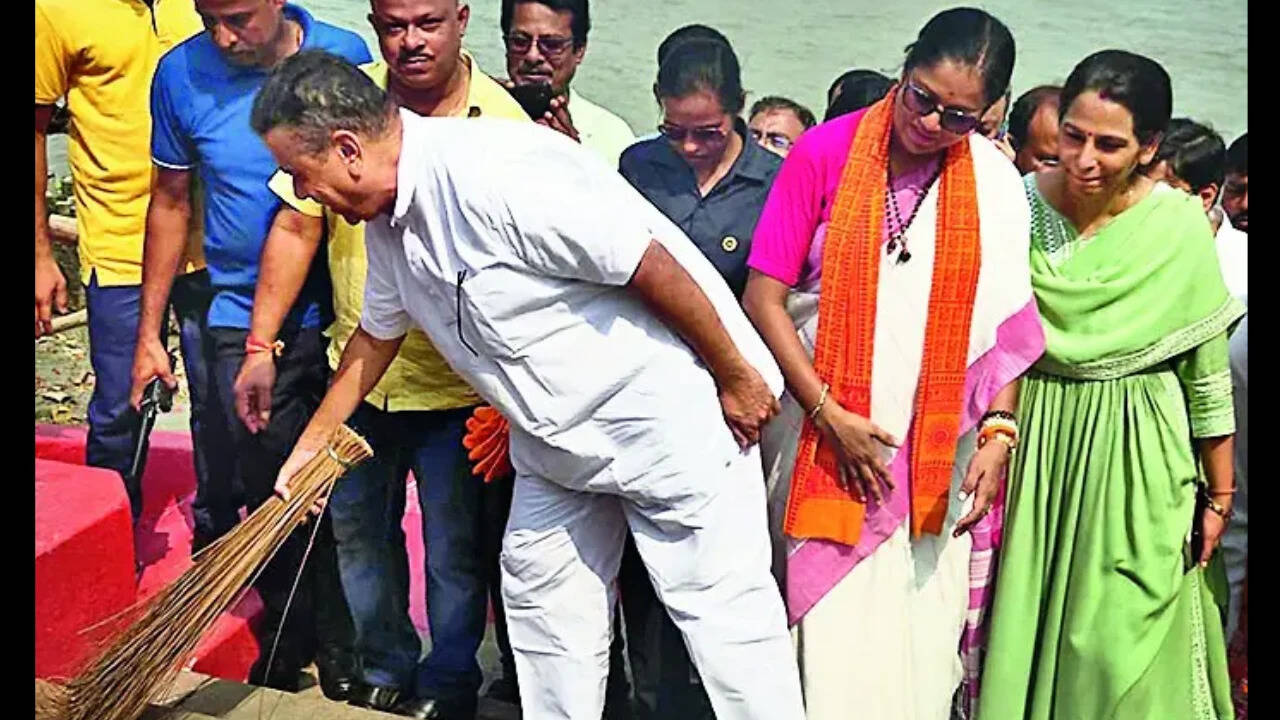
Prime Minister Narendra Modi’s state tours are increasingly prefaced by a coordinated cleanliness campaign titled ‘Swachhata Se Swagat’. In BJP‑governed regions, party cadres and state administrations are converting the traditional pre‑VVIP spruce‑up into a public mobilisation effort. Chief Ministers, ministers, MPs, local representatives and ordinary citizens are being urged to sweep streets, clear markets, and tidy ghats before the Prime Minister’s arrival, thereby stamping the political welcome with a ‘Swachh Bharat’ imprint.
Haryana’s flagship rollout
In Haryana, Chief Minister Nayab Saini inaugurated a statewide clean‑up drive ahead of Modi’s scheduled visit to Jind on July 17. The exercise began in Panchkula, where a market was swept and a sapling was planted. All district officials, ministers, MPs and MLAs have been tasked with replicating similar activities across their jurisdictions until the Prime Minister’s arrival. The timing dovetails with Modi’s agenda to flag off India’s first hydrogen‑powered passenger train on the Jind‑Sonipat route and launch a series of development projects, linking the welcome to citizen participation, green mobility and visible cleanliness.
Templates from Odisha and West Bengal
Earlier in June, Odisha and West Bengal adopted comparable models. Odisha organised a ‘Swachhata Se Swagat’ drive ahead of the Prime Minister’s June 20 programme, while Kolkata executed a six‑day operation covering all 144 municipal wards and 16 boroughs. Chief Minister Suvendu Adhikari and other public leaders joined the clean‑up at public spaces, signalling political ownership of the campaign.
Measuring real impact
Videos of the new hydrogen‑powered train running between Madurai and Rameswaram, showing remarkably clean coaches even after a 170‑km journey, highlight a tangible benchmark for the campaign. However, the true test for ‘Swachhata Se Swagat’ will be whether roads, stations and public areas remain spotless once the political cavalcade departs. If the cleanliness evaporates after the applause fades, the drive will be remembered as a fleeting publicity stunt rather than a lasting civic achievement.
Looking ahead
For the initiative to evolve from a one‑off spectacle into a sustainable pillar of the Swachh Bharat Mission, it must be institutionalised with regular audits, community monitoring and continuous funding. When executed with genuine commitment, these drives could deepen citizen‑government collaboration, reinforce environmental consciousness, and set a precedent for future political events across the nation.