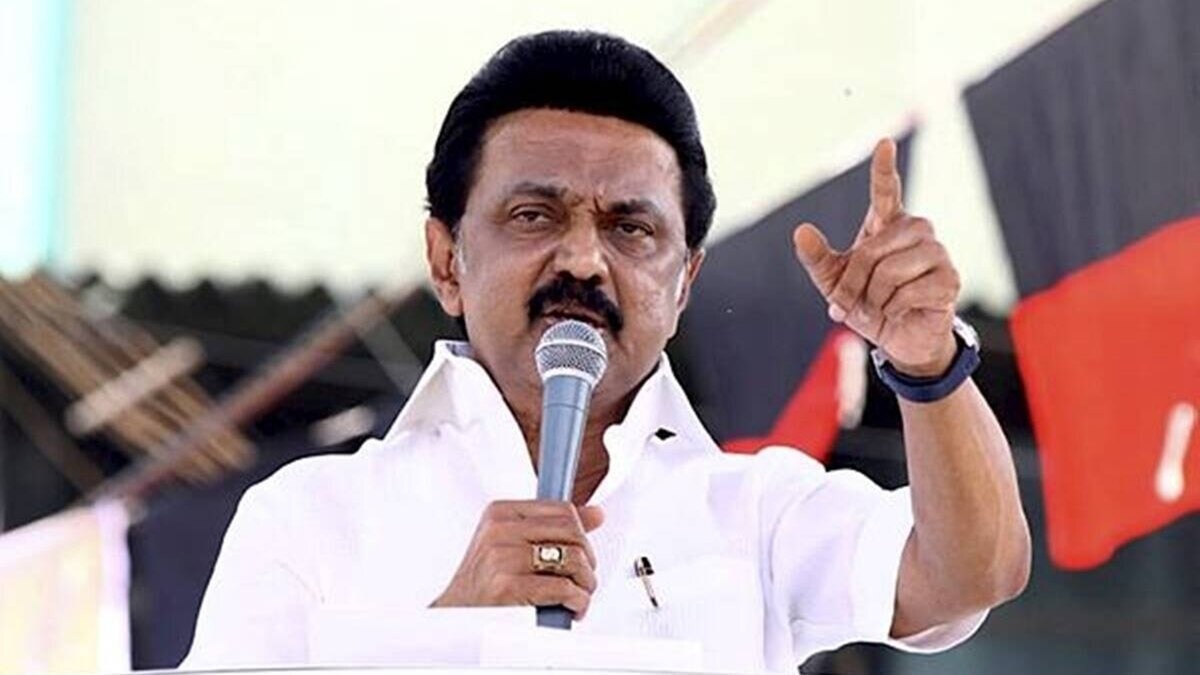
The DMK has decided to withhold its formal position on the proposed delimitation legislation until the bill is officially tabled in Parliament. This strategic move comes amidst intense opposition maneuvering.
Key Takeaways
- DMK will decide its stance on the delimitation bill only after it is introduced in Parliament.
- CM M.K. Stalin convened a strategic meeting with DMK MPs to discuss the legislative roadmap.
- Congress is actively mobilizing the INDIA bloc to create a united front against the bill.
- The proposed 131st Constitutional Amendment could expand Lok Sabha seats to 850.
In a significant political development, the Dravida Munnetra Kazhagam (DMK) has announced that it will not take a formal stance on the contentious proposed delimitation bill until the central government officially introduces it in Parliament. This cautious approach marks a strategic pause in the high-stakes debate over the redrawing of electoral constituencies.
Strategic Consultations Led by M.K. Stalin
The decision follows a crucial meeting convened by Tamil Nadu Chief Minister and DMK President M.K. Stalin with the party's Members of Parliament. According to senior party sources, the leadership aims to scrutinize the actual text and legal nuances of the legislation before committing to a position. This 'wait-and-watch' policy allows the party to navigate the complex political landscape without preempting the government's moves.
Congress Moves to Consolidate Opposition Unity
While the DMK maintains its neutrality for now, the Indian National Congress is aggressively seeking to build a unified opposition wall. Congress General Secretary Jairam Ramesh confirmed that the party is in constant communication with allies, including the DMK and the Aam Aadmi Party (AAP). Ramesh expressed confidence that the BJP-led government would struggle to secure the necessary two-thirds majority required for such a significant constitutional amendment.
The South India Factor and Federalism Concerns
The debate has taken a sharp turn toward the concerns of Southern states. Former Union Minister P. Chidambaram has raised alarms regarding the potential for 'gerrymandering' and the disproportionate impact on states that have successfully implemented population control measures. There is a growing fear that the delimitation process, if based strictly on current population metrics, could penalize states like Tamil Nadu for their developmental successes by reducing their relative political weight in the Lok Sabha.
Implications for the Monsoon Session
The proposed Constitution (131st Amendment) Bill, which could see the Lok Sabha expand to 850 seats, is expected to be a flashpoint during the upcoming Monsoon Session starting July 20. As the INDIA bloc prepares its strategic response, the DMK's eventual decision will be the pivot upon which the arithmetic of the Parliament turns. Whether the South finds a unified voice or the Centre manages to fracture the opposition remains the defining question of this legislative battle.

