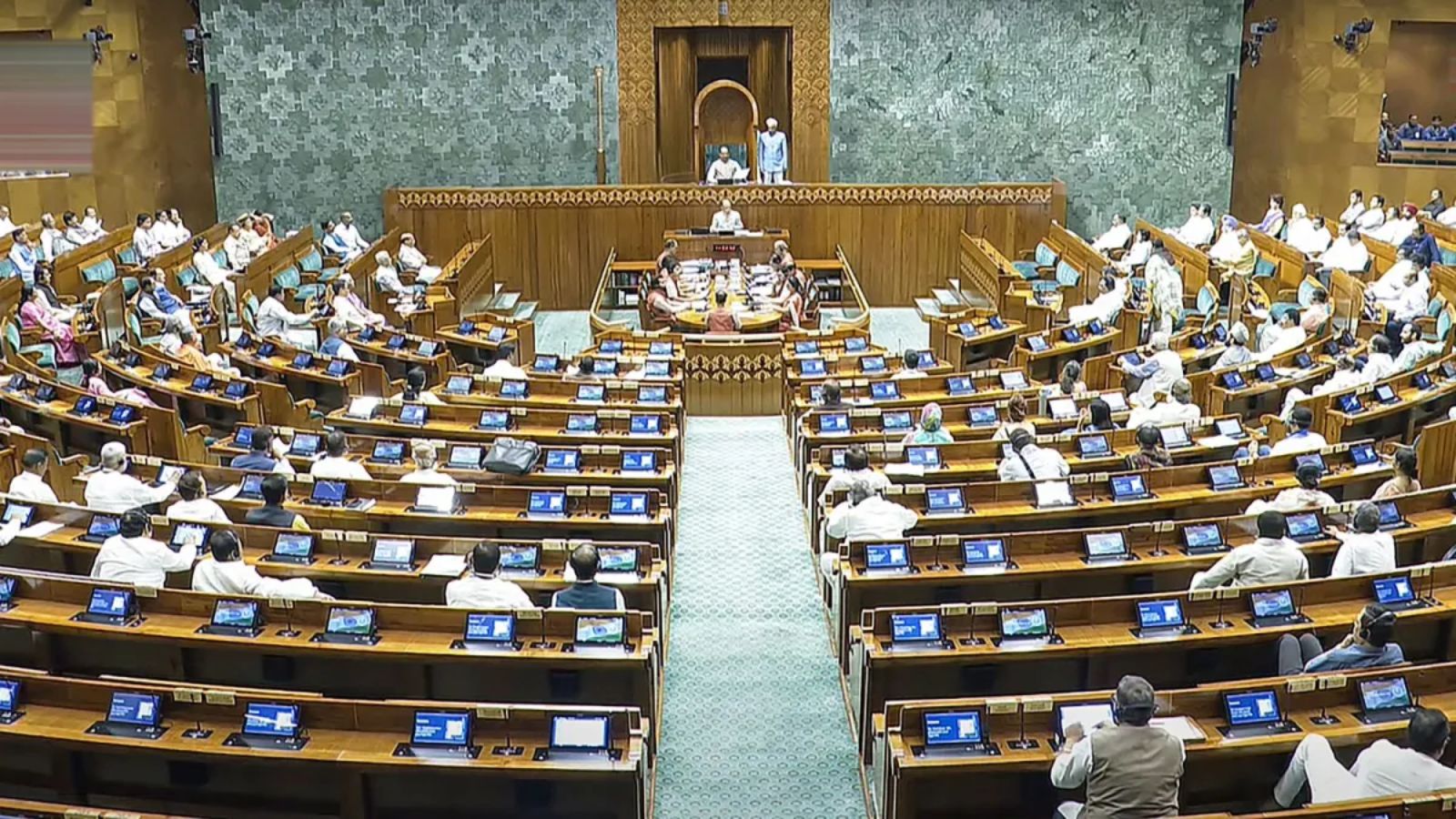
India's upcoming monsoon session will see the government introducing five major bills, while the women’s reservation delimitation package remains off the agenda. The session will also tackle contentious issues such as foreign contribution regulation and tax reforms.
Key Takeaways
- Government plans to introduce five new bills, including stricter birth‑and‑death registration provisions.
- The women’s reservation delimitation package is not on the current agenda.
- FCRA Amendment Bill and Income‑Tax (Amendment) Bill, 2026 will be debated.
The monsoon session, commencing on 17 July, marks a pivotal moment for parliamentary business in India. The NDA‑led government is poised to table five fresh pieces of legislation, ranging from a tighter Births and Deaths Registration Act amendment to a comprehensive overhaul of the Foreign Contribution (Regulation) Act, 2010, and an Income‑Tax (Amendment) Bill aimed at deepening the sovereign debt market.
Detailed Legislative Agenda
Among the most closely watched proposals is the Viksit Bharat Shiksha Adhishthan Bill, 2025, whose 31‑member joint committee report is scheduled for presentation during the session. The bill seeks to modernise India’s education framework by promoting experiential learning and skill‑based curricula. Simultaneously, the Supreme Court (Number of Judges) Amendment Bill, 2026 intends to replace an existing ordinance, potentially enhancing judicial efficiency.
Delimitation Package on Hold
The much‑anticipated delimitation package, anchored by the Nari Shakti Adhiniyam (women’s reservation bill), is conspicuously absent from the agenda. The bill failed in the Lok Sabha after the coalition could not secure the two‑thirds constitutional majority required for amendment. Re‑introduction would demand fresh cabinet approval and a renewed political consensus, both of which appear unlikely in the immediate term.
Foreign Contribution (Regulation) Amendment Bill
The FCRA Amendment Bill, 2026, aims to tighten regulations on foreign donations and hospitality to ensure they do not compromise national interest, public order, or security. First tabled on 25 March, the bill is slated for consideration and passage in this session, reflecting the government’s heightened focus on safeguarding sovereign interests.
Economic Reforms and MSME Alignment
The Income‑Tax (Amendment) Bill, 2026, is designed to deepen India’s sovereign debt market, attract stable global capital inflows, and improve liquidity amid rising crude prices and supply‑chain disruptions. In parallel, amendments to the Micro, Small and Medium Enterprises Development Act, 2006 will align the legislation with the evolving MSME landscape, simplifying compliance and encouraging entrepreneurship.
Collectively, these bills signal a strategic shift toward fiscal consolidation, regulatory tightening, and institutional reform. Yet, the political calculus—especially surrounding the delimitation package—remains a decisive factor that could temper or accelerate the legislative momentum.