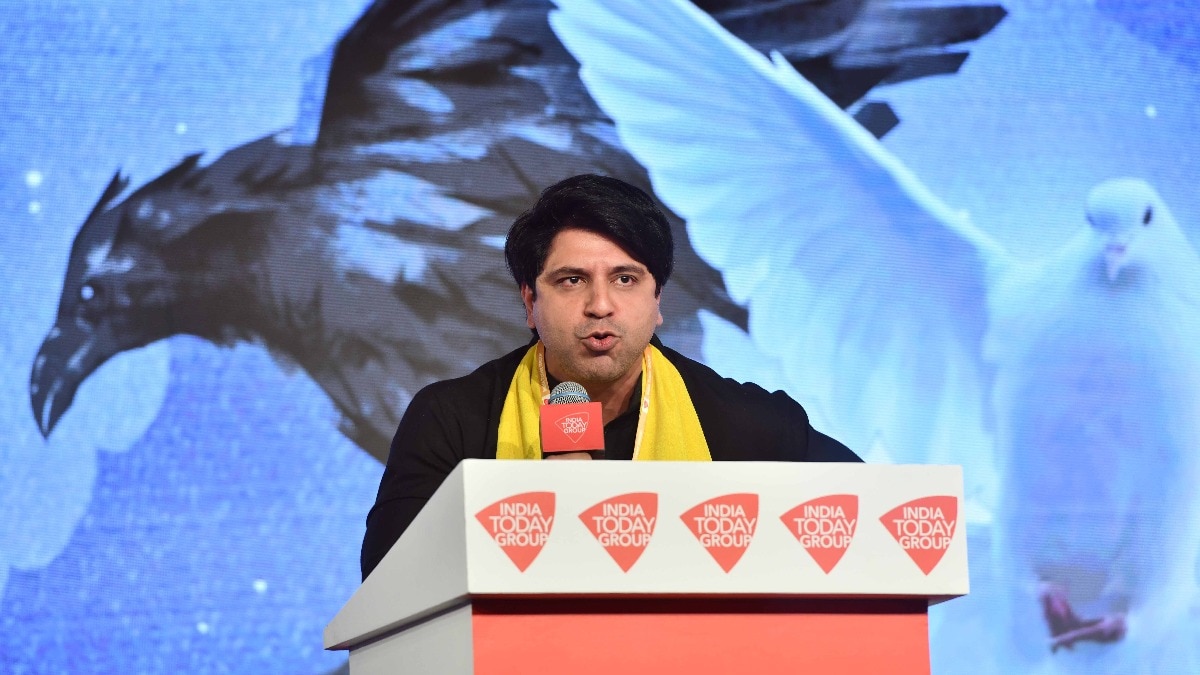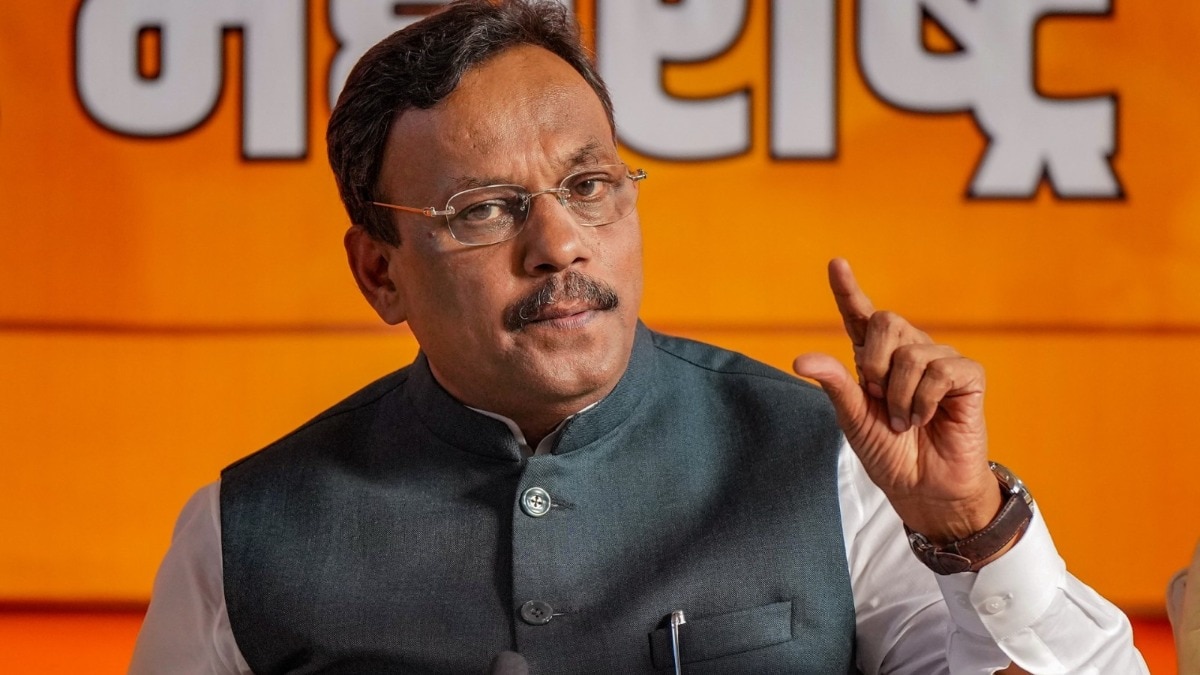
Activist Sonam Wangchuk announced that he will end his indefinite hunger strike on July 20, provided the planned Parliament march succeeds. If the mobilisation falters, he warned he will “come back as a ghost,” underscoring the high stakes of the protest.
Key Takeaways
- Sonam Wangchuk sets July 20 as the deadline to end his hunger strike
- If the Parliament march fails, he will "come back as a ghost"
- The core demand is the resignation of Union Education Minister Dharmendra Pradhan
In New Delhi, on the 20th day of his indefinite hunger strike, activist‑educator Sonam Wangchuk declared that he will stop fasting on July 20, but only if the "Sansad Chalo" march to Parliament succeeds. He warned his supporters that a lackluster turnout would force him to "return as a ghost," a stark reminder of the protest’s urgency.
Wangchuk’s fast is aimed at compelling the resignation of Union Education Minister Dharmendra Pradhan over alleged irregularities in the education system. The upcoming march, scheduled for the opening day of the monsoon session of Parliament, is intended to present the demand in the “temple of democracy.”
Historical Background
The Cockroach Janta Party (CJP) emerged in 2024 after Chief Justice of India Surya Kant referred to unemployed youth as “cockroaches” and “parasites.” Initially a satirical online campaign, the movement gained serious traction when Wangchuk began his hunger strike, turning a meme‑driven protest into a moral crusade. After two weeks of fasting, prominent opposition leaders, writers, and actors publicly backed the cause, amplifying media coverage and pushing the issue onto the national agenda.
Why This Matters (इसके मायने क्या हैं)
This episode highlights the power of citizen activism in India’s political landscape. A successful march could pressure the government to address transparency and accountability in education policy, safeguarding the rights of students and teachers. According to BozokMedia analysis, such grassroots mobilisations often catalyze substantive policy shifts when they garner broad public support.
Conversely, a failed march and Wangchuk’s “ghost” proclamation could deepen public disillusionment with the Modi administration, potentially spurring more radical forms of dissent. The outcome will serve as a litmus test for the resilience of democratic institutions and the responsiveness of the state to civil society demands.
"Wangchuk’s personal sacrifice gives the movement a moral centre, making the public’s voice far more compelling," says political analyst Dr. Ananya Sharma.
Frequently Asked Questions (अक्सर पूछे जाने वाले प्रश्न)
Q1: What will Wangchuk do if the Parliament march fails?
A: He has stated he will "come back as a ghost," implying he may resume protests through other channels or adopt a new strategy.
Q2: How could this hunger strike affect education policy?
A: If the government takes the pressure seriously, it may lead to the resignation of the education minister and trigger a fresh round of reforms.