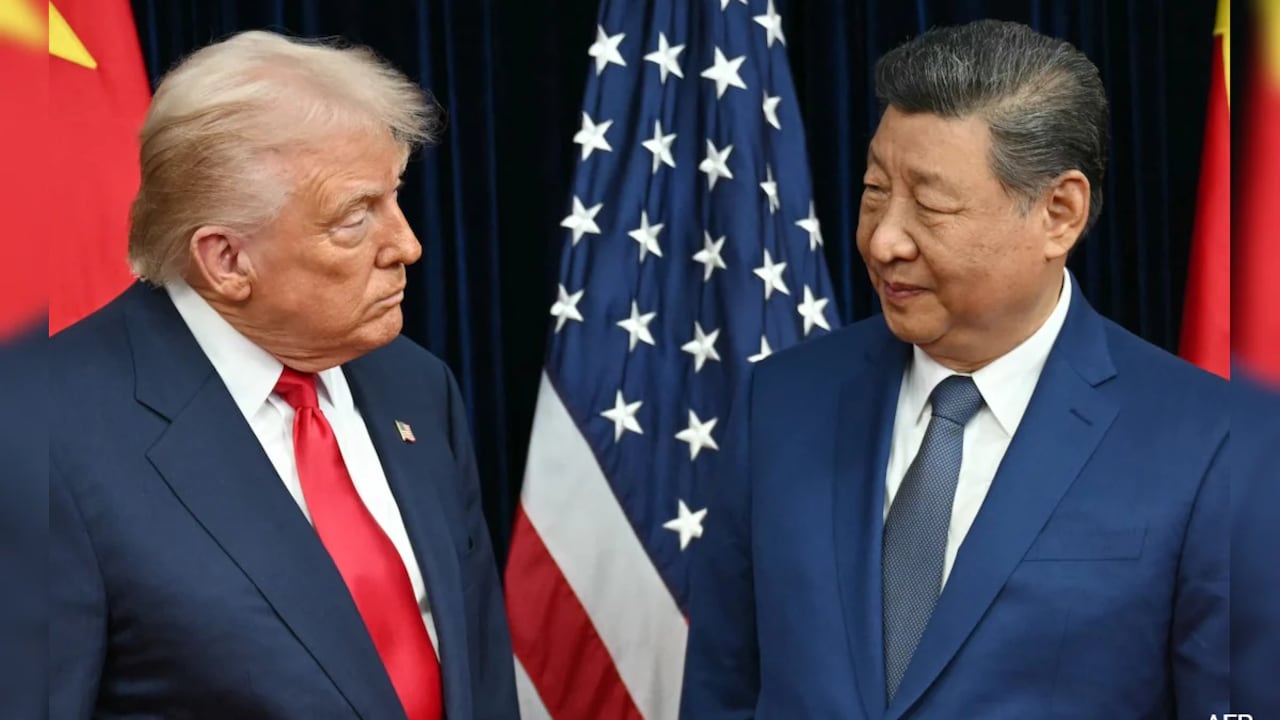
Former President Donald Trump told a prime‑time TV audience from the White House that China has seized 220 million American voter records, labeling it his "largest compromise." The allegation has been rejected by dozens of courts and federal audits.
Key Takeaways
- Trump alleges China obtained 220 million U.S. voter files.
- More than 60 lawsuits failed to produce evidence of election fraud.
- Federal investigations and audits have found no such breach.
On April 28, former President Donald Trump delivered a televised prime‑time address from the White House, asserting that China has "acquired" 220 million American voter files and calling it the "largest compromise" of his post‑presidency. The claim, however, runs contrary to findings from multiple courts, state‑level recounts, audits, and the Department of Justice, all of which have found no credible evidence of such a breach.
Legal Background
Following the 2020 presidential election, Trump and his allies filed over 60 lawsuits across the nation, seeking to overturn the results by alleging widespread voter fraud. Every case was either dismissed or concluded that the evidence presented was insufficient to alter the election outcome. Parallel investigations—including recounts in key swing states and audits conducted by independent election officials—confirmed the integrity of the vote tally.
The China Claim in Context
Trump’s figure of 220 million far exceeds the total number of registered voters in the United States, which stood at roughly 159 million in 2020. Even if every registered voter were counted, the number still falls short of Trump’s allegation. The exaggeration underscores a broader trend of misinformation used to fuel political narratives, especially in a climate of heightened partisan tension.
Political and Diplomatic Implications
Allegations of foreign interference have serious ramifications for both domestic trust and international relations. The United States and China already navigate a fraught diplomatic landscape marked by trade disputes, cybersecurity concerns, and strategic rivalry. Unsubstantiated claims such as Trump’s can further erode bilateral confidence and provide ammunition for extremist rhetoric on both sides.
Looking Ahead
Experts argue that strengthening election security will require greater transparency in voter‑data handling, robust cyber defenses, and continuous public‑education campaigns about the realities of election integrity. Media platforms and fact‑checking organizations also bear responsibility for curbing the spread of false statements that threaten democratic norms. As the debate over 2020’s legitimacy persists, the focus must shift from unverified accusations to concrete measures that safeguard the electoral process.

