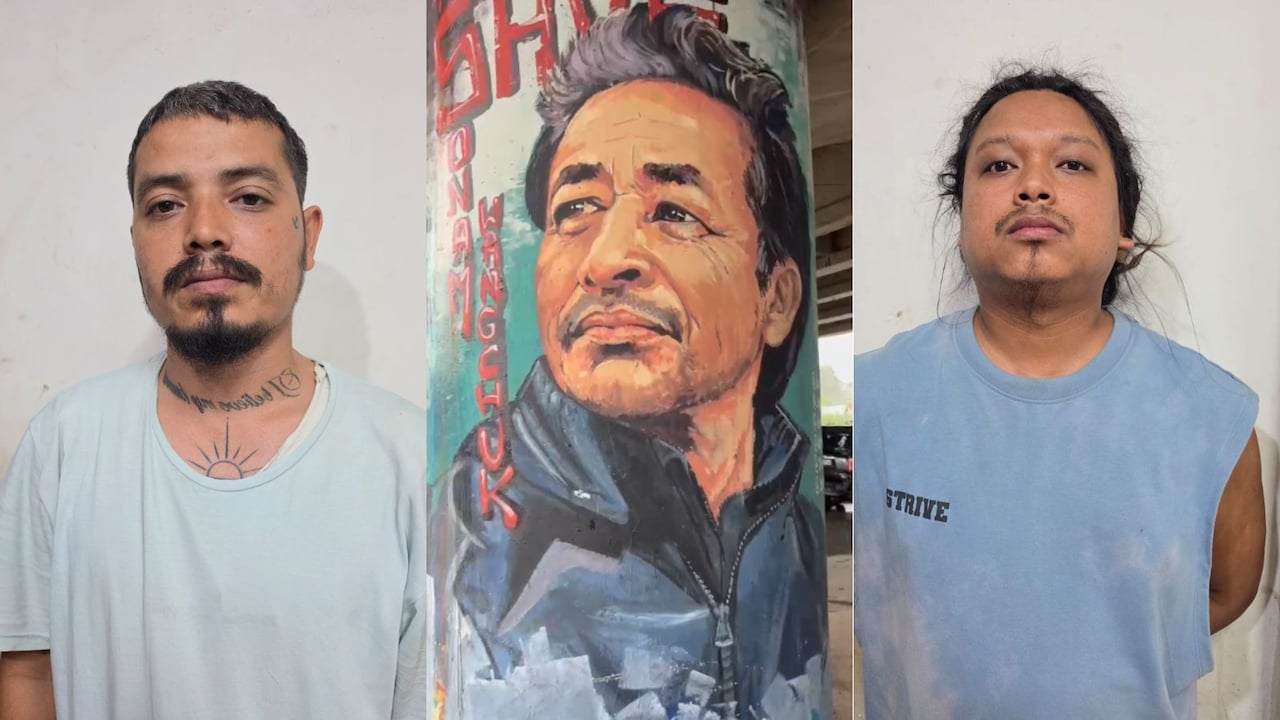
Two men were detained after creating an unauthorized portrait of politician Sonam Wangchuk in a public area of Guwahati. Police have opened an investigation, and further legal steps will depend on the findings.
Key Takeaways
- Two individuals were arrested for painting a portrait of Sonam Wangchuk in a public space in Guwahati.
- The artwork was created without any official permission.
- Police have launched an investigation and further action will be based on the results.
In a bustling intersection of Guwahati, two men painted a portrait of nationally prominent politician Sonam Wangchuk without securing the required municipal clearance. Local police, acting on eyewitness accounts, apprehended the duo on the spot and filed a formal case. Authorities emphasized that any permanent artwork in public venues must obtain written consent from the city corporation, a rule the suspects blatantly ignored.
India’s public‑art regulations are explicit: any permanent installation in a public area requires prior approval from the municipal authority, primarily to safeguard urban planning, public safety, and aesthetic harmony. Violations can lead to fines, removal of the artwork, or even criminal prosecution, as demonstrated in this incident.
Historical Background
Sonam Wangchuk, a former Chief Minister of Assam and senior leader of the Indian National Congress, has been a central figure in regional politics for over a decade. His tenure has been marked by ambitious development projects, as well as occasional controversies, making his image a frequent focal point of public discourse. In Indian politics, portraiture often serves as a symbol of support or dissent, amplifying the significance of any unauthorized depiction.
While unauthorized public art is not unprecedented, the swift arrests this time signal a stricter enforcement stance. The move may act as a deterrent for future violations, reinforcing the legal framework that governs public spaces across Indian cities.
| Required Permission | Actual Action |
|---|---|
| Written clearance from municipal corporation | Portrait painted without permission, leading to arrest |
| Police oversight and monitoring | Immediate police intervention and case registration |
"Ignoring municipal art permits undermines not just legal norms but also the visual cohesion of urban environments," notes cultural historian Dr. Anjali Singh.
Why This Matters
BozokMedia analysis shows that this incident highlights the delicate balance between artistic expression and regulatory compliance in Indian cities. Allowing unchecked artwork could lead to visual clutter, safety hazards, and potential political tensions, affecting everyday citizens' quality of life.
Moreover, the politicized nature of portraiture amplifies the stakes; unauthorized depictions of prominent leaders may spark public unrest or legal disputes. This case could prompt policymakers to tighten enforcement mechanisms, fostering greater transparency and accountability in urban governance.
Frequently Asked Questions
Question 1: Is painting a portrait in a public space without permission a criminal offense?
Answer: Yes, under municipal regulations, creating permanent artwork without clearance can result in fines or imprisonment.
Question 2: Could Sonam Wangchuk pursue legal action against the artists?
Answer: While the current case focuses on the lack of permission, Wangchuk could file a defamation or image‑rights suit if he believes his reputation was harmed.