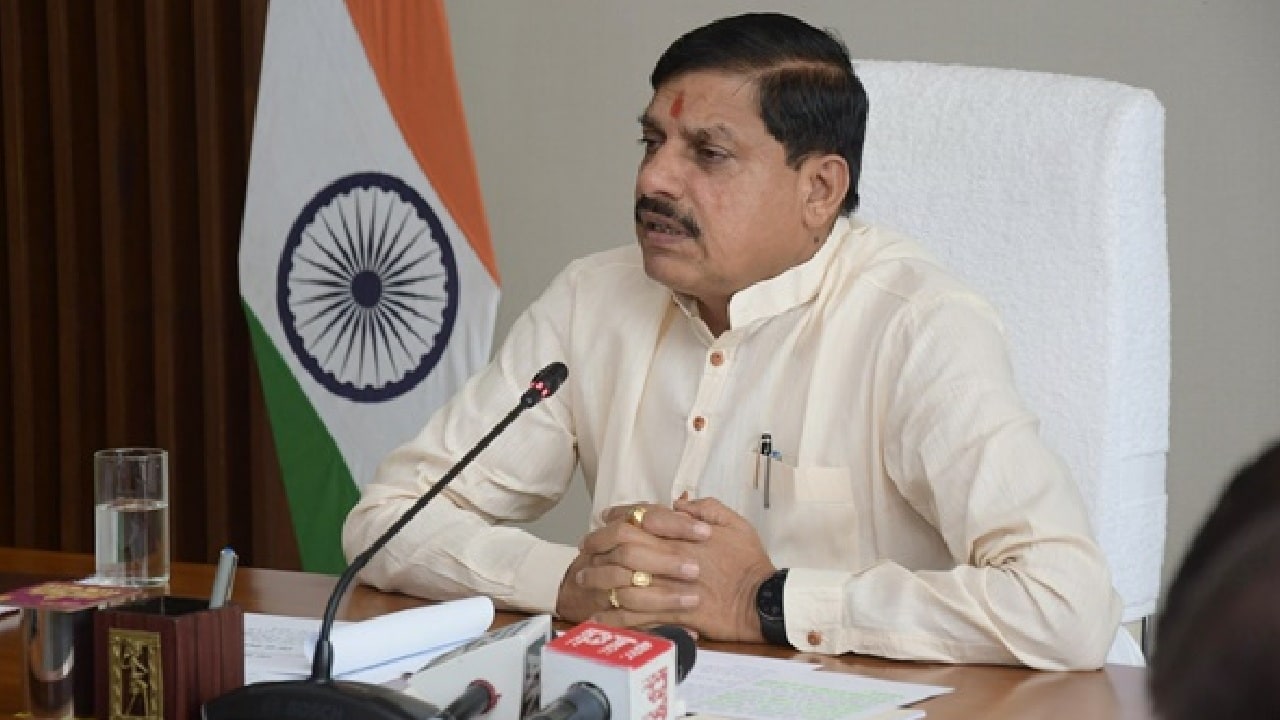
Chief Minister Mohan Yadav approved the Uniform Civil Code (UCC) Bill, promising equal rights and opportunities for all communities. The decision marks a landmark shift toward legal uniformity across the state.
Key Takeaways (मुख्य बिंदु)
- Madhya Pradesh cabinet approves the Uniform Civil Code Bill
- The bill grants equal marriage, inheritance and adoption rights to every citizen
- Personal religious laws will be replaced by a single, secular legal framework
On July 19, 2026, the Madhya Pradesh Cabinet convened in Jagdishpur and, under Chief Minister Mohan Yadav’s leadership, passed the Uniform Civil Code (UCC) Bill. This historic decision aims to replace the patchwork of religion‑based personal laws with a single, secular code that ensures uniform rights for marriage, divorce, inheritance, and adoption across all communities.
Historical Background
Article 44 of the Indian Constitution has long called for a Uniform Civil Code, yet successive governments have struggled to translate this directive into law. Post‑independence India inherited a multitude of personal laws—Hindu, Muslim, Christian and others—each governing family matters for its adherents. Over the decades, these divergent statutes have sparked debates over gender equity, especially concerning women’s rights in marriage, divorce, and property inheritance. While the Supreme Court has intermittently urged uniformity, a comprehensive national bill has remained elusive. Madhya Pradesh’s move therefore represents the first state‑level attempt to operationalize the constitutional vision of a UCC.
Key Provisions of the Bill
The legislation outlines four core domains: Marriage (single age limit of 18 for both genders, no religious prerequisites), Divorce (uniform grounds such as cruelty, desertion, and irretrievable breakdown), Inheritance (equal share for sons and daughters), and Adoption (open to all citizens irrespective of religion). Additional safeguards target child marriage, ensuring strict enforcement, and reinforce women’s economic rights through equitable property distribution.
Comparison Table
| Aspect | Existing Personal Laws | Uniform Civil Code (UCC) |
|---|---|---|
| Marriage | Varied age limits, religious ceremonies required | Uniform age of 18, secular registration |
| Divorce | Different grounds based on religion | Standardized grounds: cruelty, desertion, etc. |
| Inheritance | Male‑preference inheritance in many codes | Equal split between sons and daughters |
| Adoption | Religious restrictions on who can adopt | Open to all citizens without religious barriers |
Why This Matters (इसके मायने क्या हैं)
According to BozokMedia analysis, the implementation of a Uniform Civil Code in Madhya Pradesh will directly boost gender equality, giving women the same legal standing in marriage and property matters as men. This parity is expected to increase female participation in the workforce, thereby enhancing the state’s economic productivity and reducing social disparities.
Beyond economics, the bill sets a precedent for other Indian states, signaling that a secular, uniform legal framework is feasible even in a diverse, multi‑religious society. If successfully enacted, it could ease communal tensions, streamline the judiciary, and improve India’s global image as a progressive democracy committed to equal rights.
"The UCC is not merely a legal reform; it is a catalyst for societal cohesion and empowerment," said Dr. Anjali Sharma, Constitutional Law Scholar.
Frequently Asked Questions (अक्सर पूछे जाने वाले प्रश्न)
Q1: Will the UCC affect the personal laws of all religious communities?
A: Yes. The bill supersedes existing personal laws, offering a single set of rights that apply equally to all citizens regardless of religion.
Q2: How will the transition from personal laws to the UCC be managed?
A: The state will introduce a phased implementation schedule, with courts providing transitional guidance and outreach programs to educate the public on the new provisions.

