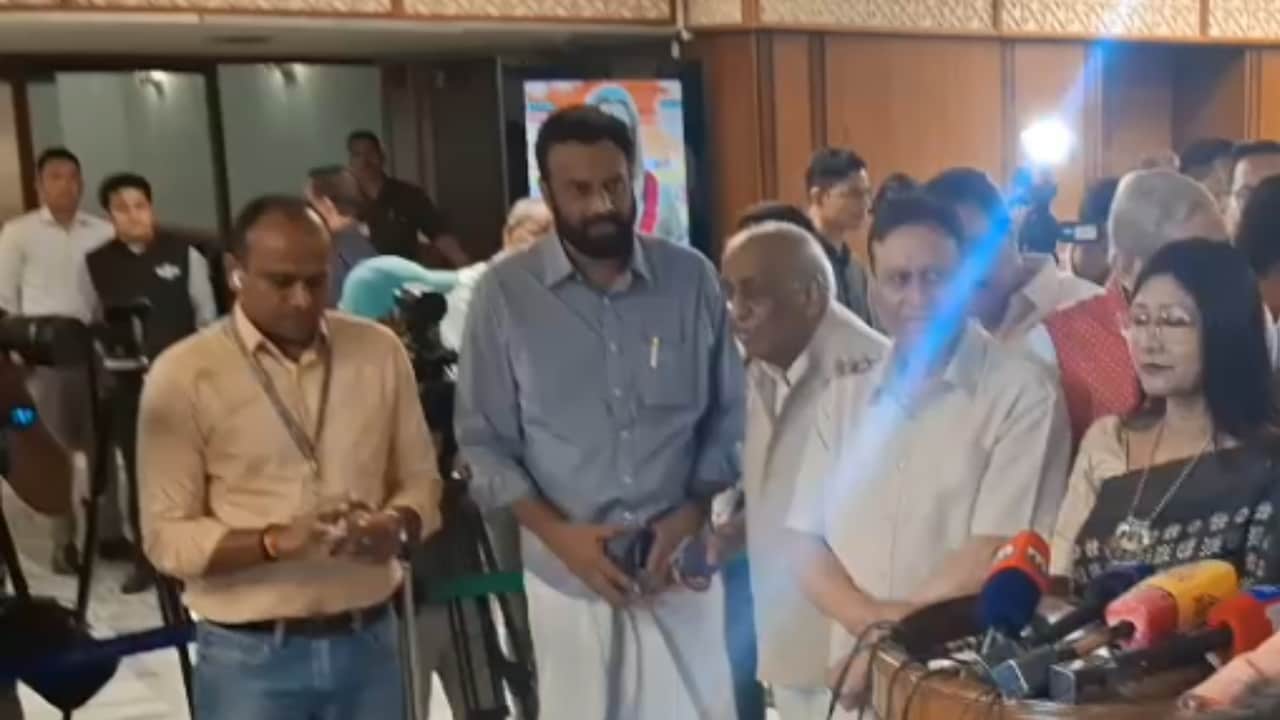
Opposition MPs staged a dramatic walkout from an all-party meeting, protesting the inclusion of a rebel faction whose merger remains unapproved. The boycott highlights growing friction between the ruling coalition and the opposition bloc ahead of the legislative session.
Key Takeaways
- Opposition MPs boycotted the all-party meet over the invitation of rebel faction representatives.
- The status of the controversial faction's merger remains legally and procedurally unapproved.
- The walkout signals a stormy legislative session ahead with intense debates on parliamentary legitimacy.
In a dramatic turn of events ahead of the parliamentary session, opposition Member of Parliaments (MPs) staged a symbolic walkout from the traditional all-party meeting. The protest was triggered by the presence and invitation of a rebel faction, whose official merger and political status remain highly contested and legally unapproved.
Senior opposition leaders vehemently questioned the government's decision to invite representatives of a faction that has not yet received formal recognition from the competent authorities. They argued that inviting unrecognized entities undermines the sanctity of parliamentary traditions and compromises the democratic process. The government, however, maintained that all-party meetings are intended to build consensus and should be as inclusive as possible.
| Aspect | Opposition's Stance | Government / Rebel Faction's Stance |
|---|---|---|
| Representation | Only officially recognized parties and approved mergers should be invited. | All-party meets should be inclusive to ensure smooth parliamentary proceedings. |
| Legitimacy | Inviting unapproved factions violates parliamentary decorum and legal norms. | The faction represents a significant political block that cannot be ignored. |
Why This Matters
This high-voltage walkout is not merely a symbolic protest; it reflects the deep-seated polarization currently defining the legislative landscape. BozokMedia analysis shows that the opposition's aggressive stance is an attempt to draw a hard line against what they perceive as the ruling party's strategy of encouraging defections and splinter groups. By boycotting the meeting, the opposition aims to delegitimize rebel factions on a national stage, forcing the government to defend its parliamentary management tactics.
Furthermore, BozokMedia analysis shows that this confrontation is likely to set a confrontational tone for the upcoming legislative session. Important bills and policy discussions might face severe disruptions as the opposition unites to challenge the government's procedural decisions, potentially leading to gridlock on crucial national issues.
"The walkout underscores a deeper constitutional battle over the legitimacy of splinter political groups in parliamentary forums." — Political Analyst Dr. Arindam Sen
Historical Background
All-party meetings have historically served as a crucial platform for the ruling government and the opposition to find common ground before major legislative sessions. Initiated to ensure the smooth functioning of parliament, these meetings rely heavily on consensus and mutual respect for established conventions. However, in recent years, the rising phenomenon of party splits and rebel factions has complicated these gatherings. The dispute over which faction represents the 'real' party has frequently spilled over from the Election Commission and courts into the halls of parliament, turning routine consultative meetings into political battlegrounds.
Frequently Asked Questions
Q1: Why did the opposition walk out of the all-party meeting?
A1: The opposition walked out to protest the invitation of a rebel political faction whose merger has not yet been officially approved or recognized.
Q2: What is the significance of an all-party meeting?
A2: It is a traditional meeting held before a legislative session to discuss key agendas and ensure smooth functioning of the parliament through consensus.