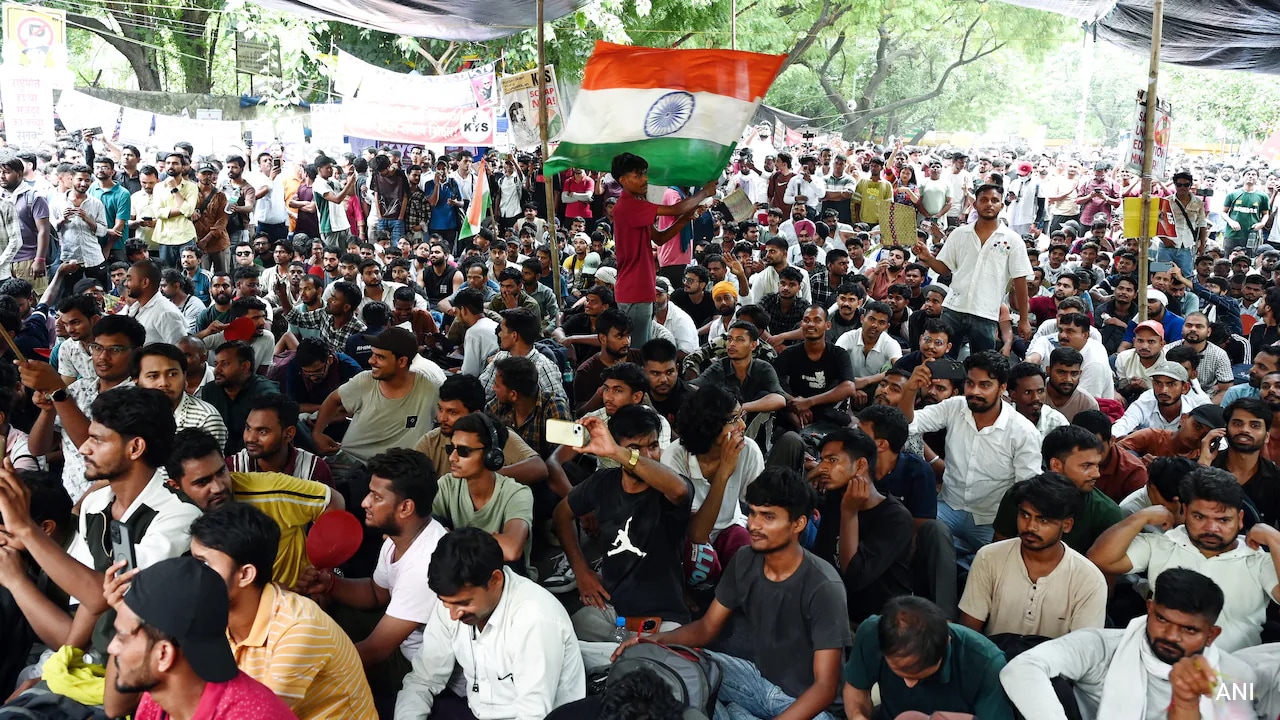
As CJP protests escalate, Home Minister Amit Shah leads high-level discussions to manage security while exploring diplomatic avenues for resolution.
Key Takeaways
- Home Minister Amit Shah led the strategic review of the escalating protest situation.
- Education Minister Dharmendra Pradhan and other ministers joined the high-level discussions.
- The government aims to balance strict security enforcement with meaningful dialogue.
In response to the escalating tensions surrounding the CJP protests, the Central Government has initiated a multi-pronged strategy to stabilize the situation. According to high-level sources, Home Minister Amit Shah has taken the lead in reviewing the security landscape and charting a course of action to prevent further escalation. The focus remains on maintaining public order while addressing the underlying grievances of the protesters.
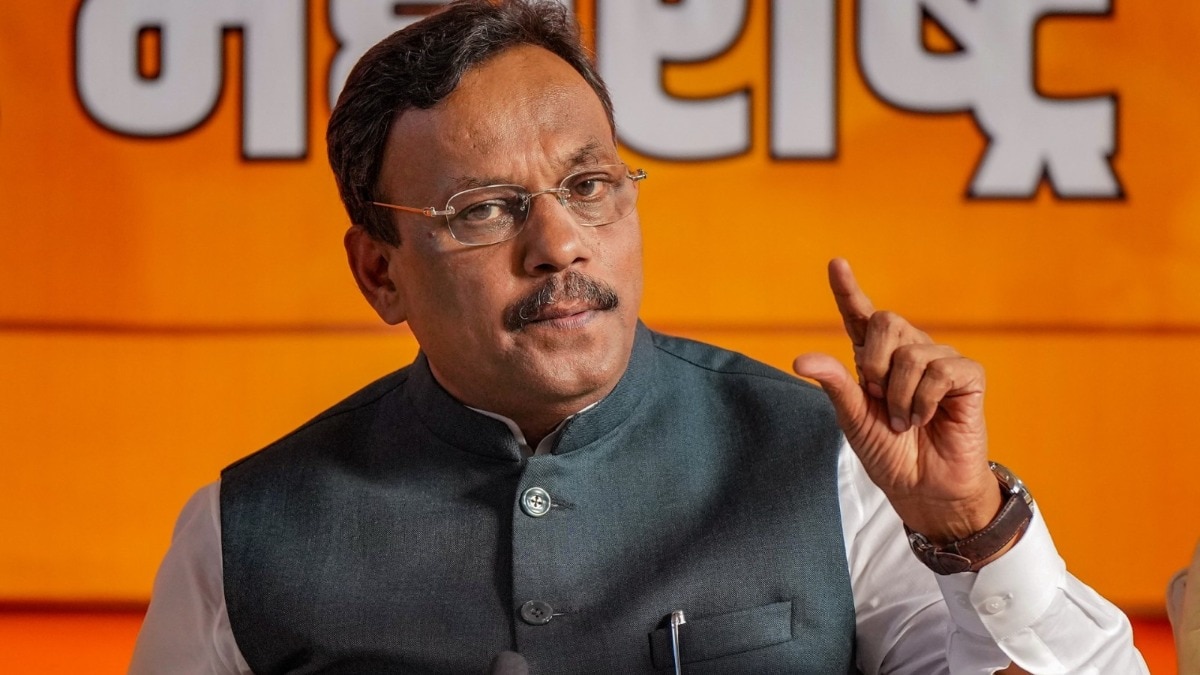
The strategic discussions involved a broad spectrum of the Cabinet, including Education Minister Dharmendra Pradhan and other key ministers. This collaborative approach suggests that the government is looking beyond mere policing, seeking to understand the socio-political nuances of the movement. Security agencies have been placed on high alert to ensure that the demonstrations do not turn violent or disrupt essential services.
Why This Matters (इसके मायने क्या हैं)
BozokMedia analysis shows that the government's handling of large-scale protests is a litmus test for its administrative stability. A heavy-handed approach risks radicalizing the movement, while an overly passive stance could signal weakness to lawbreakers, potentially affecting national security perceptions.
Furthermore, for the common citizen, prolonged protests can lead to disruptions in transportation, education, and commerce. By involving multiple ministries, the government is attempting to mitigate the economic fallout and ensure that the social fabric remains intact during this period of unrest.
The delicate equilibrium between state authority and the right to protest is the cornerstone of a functioning democracy.
Historical Background
India has a profound history of civil movements and organized protests. From the pre-independence struggle to modern-day social movements, the state has constantly navigated the complexities of managing public dissent. Historically, the Ministry of Home Affairs (MHA) has been the primary architect of internal security protocols, balancing the constitutional right to protest with the necessity of maintaining public peace.
| Approach | Security-Centric | Dialogue-Centric |
|---|---|---|
| Primary Objective | Law and Order Maintenance | Conflict Resolution |
| Key Action | Deployment of extra forces | Inter-ministerial discussions |
Frequently Asked Questions (अक्सर पूछे जाने वाले प्रश्न)
Q1: What is the main objective of the government's current action?
A: The main objective is to prevent violence and maintain stability through a combination of security measures and departmental dialogue.
Q2: Why are different ministers involved in the discussion?
A: Various ministers are involved because the protests may have implications across different sectors, such as education and social welfare.