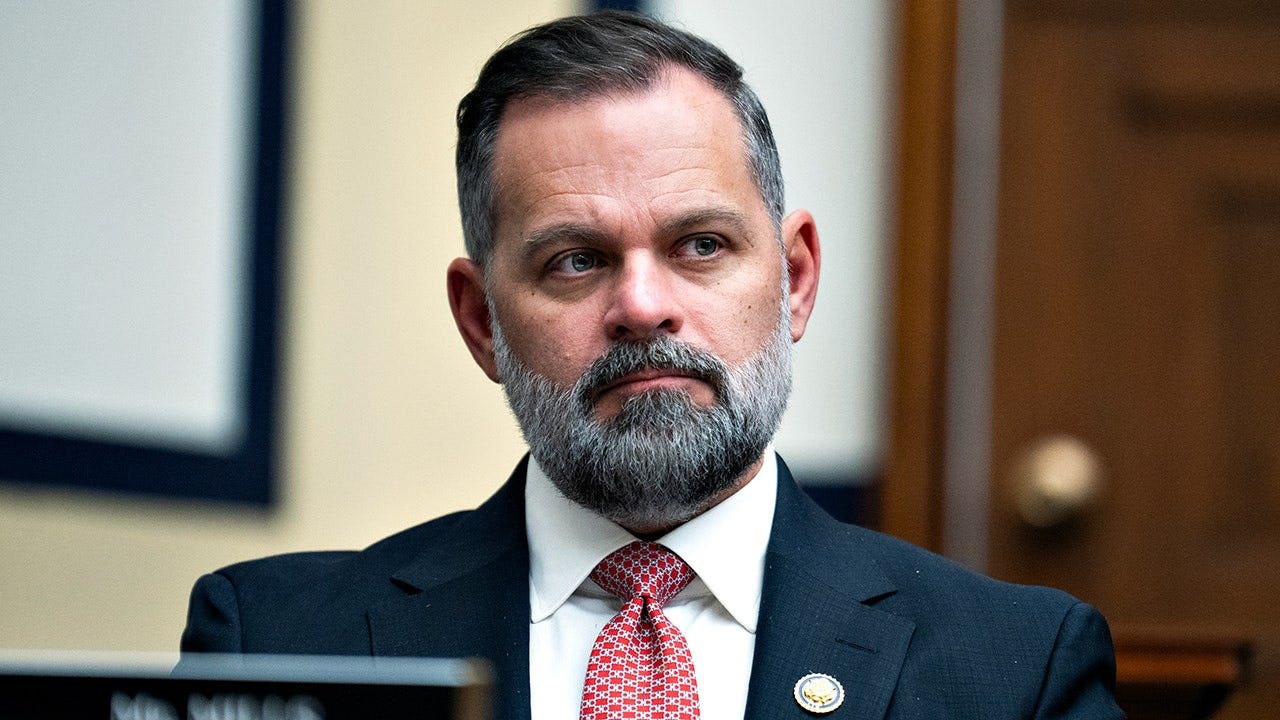
The Democratic National Committee is poised to hold a preliminary vote on the 2028 presidential primary calendar later this week, setting the framework for the next election cycle. The move could reshape the party's strategic roadmap.
Key Takeaways (मुख्य बिंदु)
- Democrats could initiate a vote on the 2028 primary calendar this week.
- Potential schedule changes will influence the party's strategic direction.
- The voting process may be finalized by the end of the week.
The Democratic National Committee (DNC) has signaled that it may hold a preliminary vote on the 2028 U.S. presidential primary calendar later this week. While the decision is not yet formalized, the prospect has ignited intense debate among party factions. Setting the primary schedule will give candidates a clear timeline for campaign planning and enable more efficient allocation of resources.
If the vote proceeds, the new calendar could reorder the traditional sequence of early‑state contests, pushing some states forward and pulling others back. Such a shift would directly affect candidate outreach strategies, fundraising dynamics, and the overall intensity of national campaigning.
Historical Background (इतिहासिक पृष्ठभूमि)
Over the past two decades, the Democratic Party has repeatedly adjusted its primary calendar to gain strategic advantage. In 2008, the party elevated Iowa and New Hampshire to the front of the lineup, a move that helped Barack Obama gain early momentum. The 2020 calendar added Colorado and Georgia early on, contributing to Joe Biden’s resurgence. These precedents illustrate how even modest timing tweaks can dramatically alter electoral outcomes.
Why This Matters (इसके मायने क्या हैं)
According to BozokMedia analysis, the determination of the 2028 primary calendar will not only guide candidate campaign tactics but also shape voter participation patterns. Early‑state shifts will likely increase campaign spending in those regions, bringing local issues to the national stage.
Moreover, reordering the calendar could reset the internal power balance within the Democratic Party, allowing emerging factions to gain influence. This adjustment may help the party reach a broader electorate and stay competitive in the forthcoming presidential race.
"The timing of a primary calendar directly fuels electoral energy, and this move by the Democrats is strategically significant," political analyst Dr. Maya Rao noted.
Frequently Asked Questions (अक्सर पूछे जाने वाले प्रश्न)
- When is the vote expected? While discussions are ongoing within the DNC, most experts anticipate the vote could occur by the end of this week.
- How could the new calendar affect the 2028 election? Early‑state primaries will attract more attention and funding, giving candidates an opportunity to build momentum early in the race.