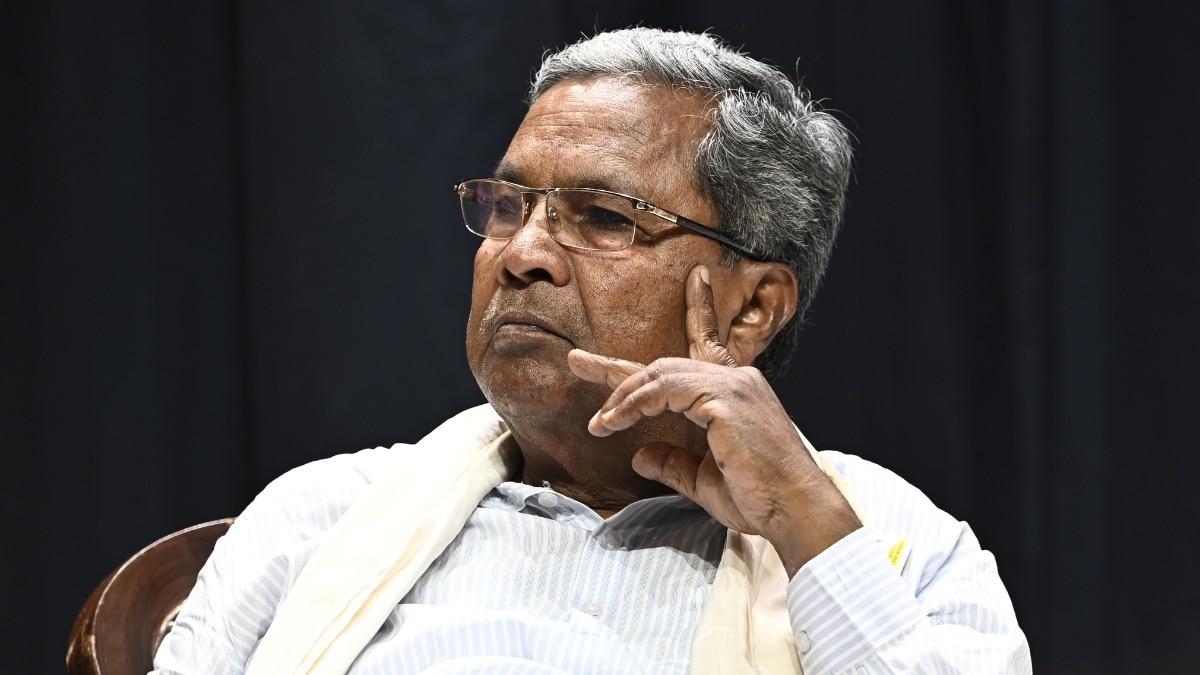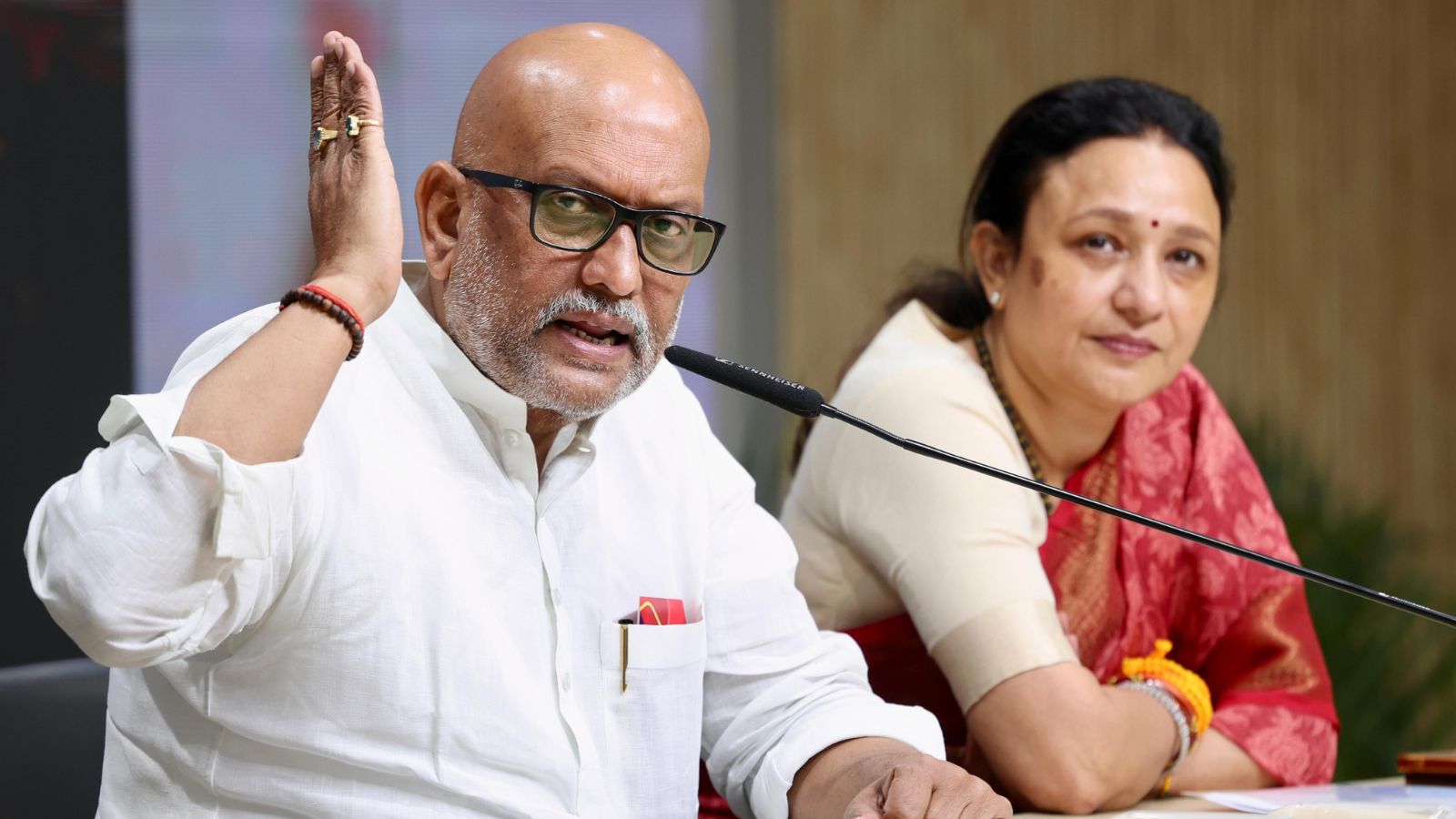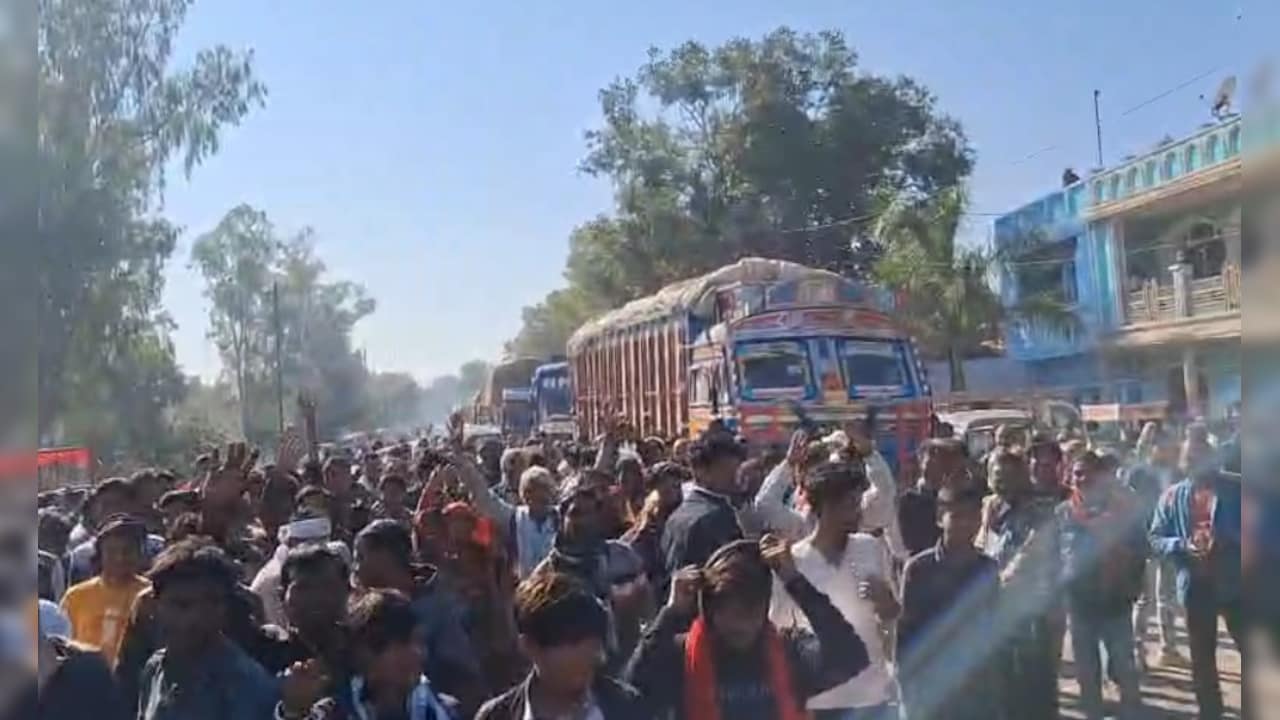
Farmers from Punjab, Haryana, and Rajasthan are converging at Delhi's Kisan Ghat to protest the potential impact of the India-US trade agreement.
In a significant escalation of agrarian discontent, thousands of farmers from Punjab, Haryana, Himachal Pradesh, and Rajasthan are gathering at Kisan Ghat in Delhi today. The primary objective of this massive mobilization is to voice strong opposition against the proposed India-US trade deal, which farmers fear could jeopardize their livelihoods.
The core of the protest lies in the apprehension that a liberalized trade agreement with the United States would flood the Indian market with heavily subsidized American agricultural products. Farmer unions argue that this influx would drive down domestic prices, making it impossible for local farmers to compete and sustain their families, potentially leading to a massive debt crisis in the rural sector.
Why This Matters (इसके मायने क्या हैं)
BozokMedia analysis shows that this protest is not merely a localized grievance but a critical debate on India's economic sovereignty. A trade deal that favors global giants at the expense of domestic producers could destabilize the rural economy, which serves as the backbone of India's social fabric.
Furthermore, this movement carries significant political weight. As agriculture remains a pivotal sector for India's voting demographics, the government faces the complex task of navigating international diplomatic commitments while ensuring domestic food security and farmer welfare. The outcome of these protests could dictate India's future stance on global trade liberalization.
Unregulated access for foreign agricultural goods could trigger a systemic crisis in India's rural economy.
Historical Background
India has a long-standing history of agrarian movements that have shaped the nation's political landscape. From the early post-independence struggles for land rights to the recent massive protests regarding Minimum Support Price (MSP), the farming community has consistently demonstrated its ability to mobilize on a national scale to protect its interests against perceived threats from both domestic and international policies.
| Feature | Proposed Trade Deal | Current Status |
|---|---|---|
| Import Tariffs | Likely to decrease | Protective tariffs in place |
| Market Access | Easier for US goods | Priority to local producers |
| Subsidy Impact | Increased foreign competition | Strong domestic support system |
Frequently Asked Questions (अक्सर पूछे जाने वाले प्रश्न)
Question 1: Why are the farmers protesting in Delhi?
Answer: They are protesting against the proposed India-US trade agreement, fearing it will allow cheap, subsidized US agricultural products to undercut local farmers.
Question 2: Which states are most affected by this protest?
Answer: The movement is led primarily by farmers from Punjab, Haryana, Rajasthan, and Himachal Pradesh.