Union Minister Jitendra Singh claims the Centre accepted Congress's demand for parliamentary discussion, only for Rahul Gandhi to introduce complicating new clauses.
Key Takeaways
- Minister Jitendra Singh accused Rahul Gandhi of reneging on his commitments.
- The Centre had reportedly agreed to the Congress party's demand for parliamentary debate.
- The deadlock arose due to additional clauses introduced by Gandhi.
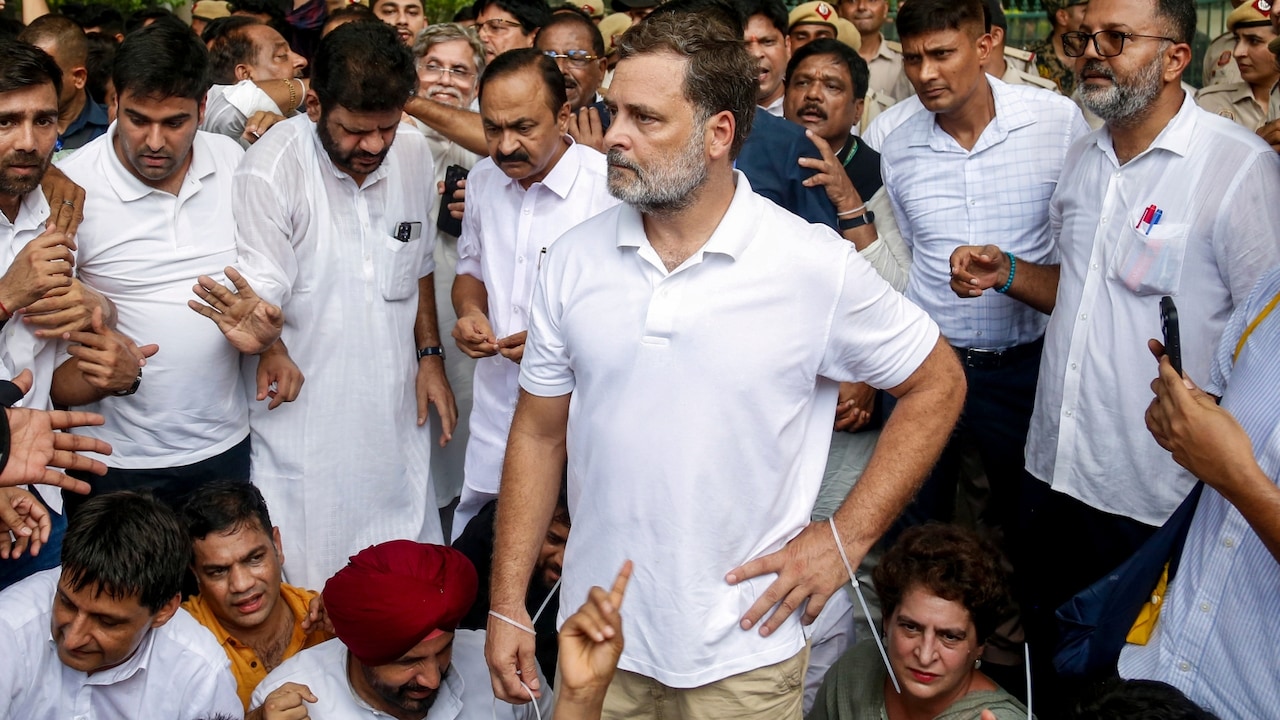
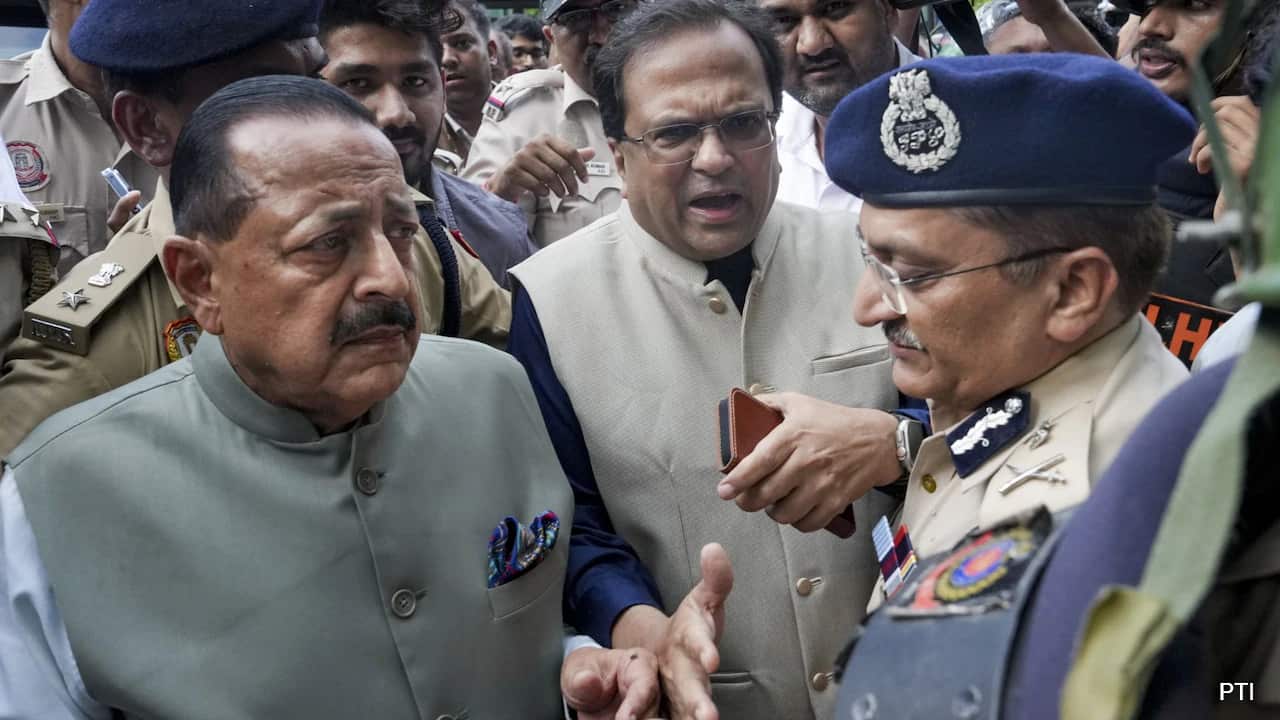
New Delhi: A sharp political confrontation has erupted as Union Minister Jitendra Singh lashed out at Congress leader Rahul Gandhi, accusing him of failing to stand by his word. According to Singh, the central government was prepared to accommodate the Congress party's demand for discussions in Parliament, but the process was derailed when Gandhi introduced additional, unexpected clauses into the agreement.
This development highlights the increasing friction between the ruling dispensation and the primary opposition party regarding the conduct of parliamentary business. Singh's statement suggests that while the government was willing to engage in democratic dialogue, the opposition's shifting requirements have created an impasse.
Why This Matters (इसके मायने क्या हैं)
BozokMedia analysis shows that such parliamentary standoffs have profound implications for the nation's legislative efficiency. When the terms of engagement are constantly renegotiated mid-process, it leads to wasted taxpayer money and delays in passing crucial laws that impact the economy and social welfare.
Furthermore, this tug-of-war affects the political equilibrium. If political parties prioritize tactical maneuvers over substantive debate, the democratic fabric of the country is weakened, leaving the public without a clear voice in the legislative arena.
"The integrity of parliamentary debate relies heavily on the consistency of the commitments made by political leaders."
Historical Background
The history of the Indian Parliament is replete with instances where the demand for 'discussion' has been the centerpiece of political warfare. From the era of coalition governments to the current single-party majority era, the tension between the government's desire to pass legislation and the opposition's demand for scrutiny has remained a constant. The introduction of 'conditional demands' is a long-standing political tactic used to exert pressure during sessions.
Frequently Asked Questions (अक्सर पूछे जाने वाले प्रश्न)
Q1: What is the core of Jitendra Singh's allegation?
Answer: He alleges that Rahul Gandhi went back on a prior understanding by adding new, unagreed-upon clauses to the discussion framework.
Q2: Did the government reject the Congress demand?
Answer: No, the Minister stated that the Centre had actually agreed to the original demand for discussion.