The Aam Aadmi Party has launched a scathing attack on Rahul Gandhi's sit-in protest outside the PM's house, labeling it an attempt to undermine genuine grassroots movements.
Key Takeaways
- Rahul Gandhi staged a sit-in protest outside the Prime Minister's residence.
- The AAP criticized the protest, claiming it undermines actual public grievances.
- Internal friction within the opposition coalition has surfaced following the event.
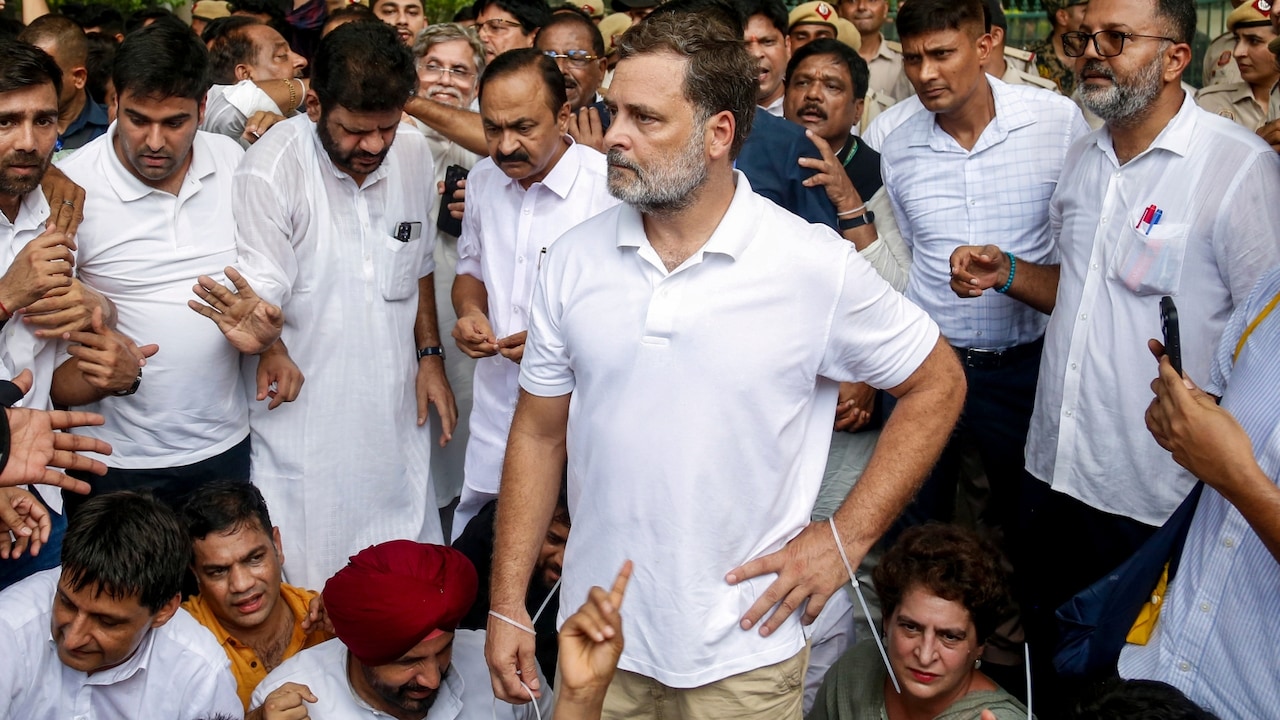
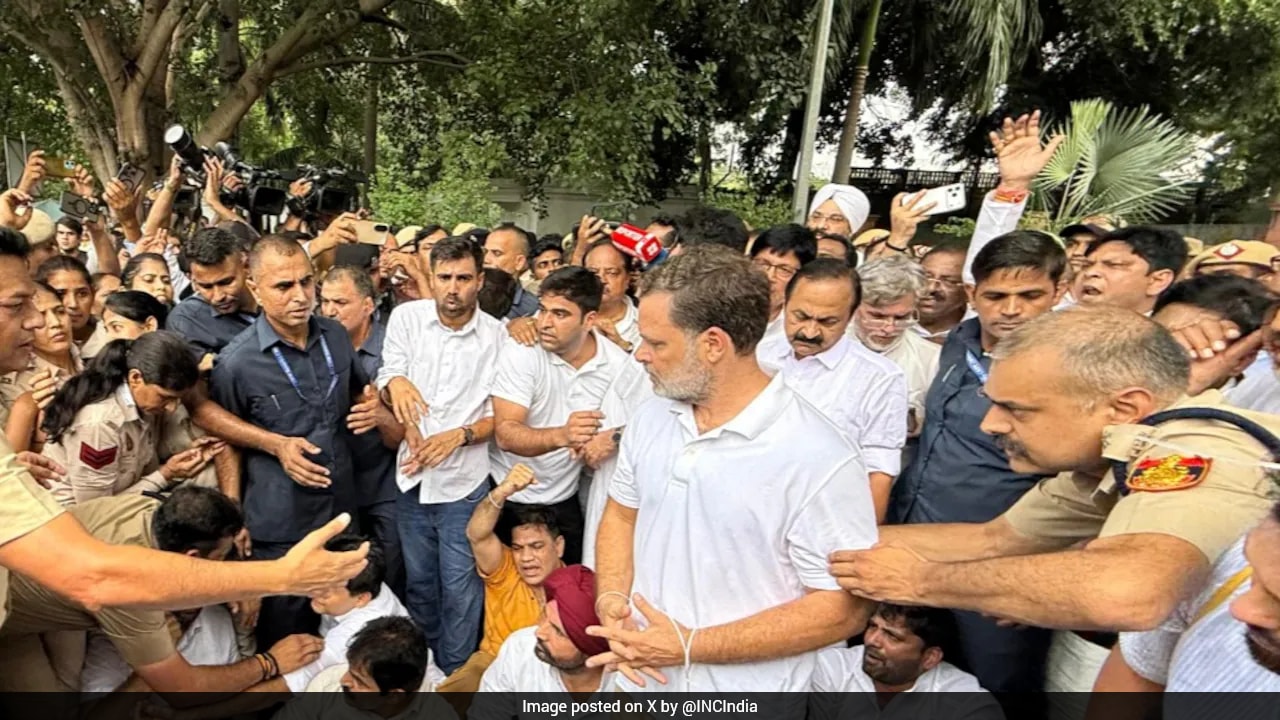
In a significant escalation of political tension, Congress leader Rahul Gandhi conducted a sit-in protest directly outside the residence of Prime Minister Narendra Modi. The protest was intended to highlight various socio-economic issues and government policies. However, the move has triggered an unexpected backlash from within the opposition ranks.
The Aam Aadmi Party (AAP) has emerged as a vocal critic of this demonstration. In a sharp political swipe, AAP representatives claimed that Gandhi's protest is an attempt to dilute the impact of genuine protests led by the people. The party went as far as to mockingly refer to the dynamics as being driven by the 'Cockroach Janta Party,' suggesting that such staged events serve only to distract from core issues.
Why This Matters (इसके मायने क्या हैं)
BozokMedia analysis shows that this friction within the opposition highlights a critical lack of strategic cohesion. When major opposition players disagree on the methods and legitimacy of protests, it creates a narrative of fragmentation. This internal discord can weaken the collective bargaining power of the opposition against the ruling government.
For the common citizen, this political maneuvering can lead to fatigue and skepticism regarding the effectiveness of democratic protests. If the opposition is seen as fighting itself rather than focusing on public policy, the political balance shifts in favor of the status quo. This event serves as a litmus test for the solidarity of the INDIA bloc in upcoming electoral battles.
Internal dissent within the opposition is often the greatest tool for a ruling party to maintain dominance.
Historical Background
Protesting outside the Prime Minister's residence is a storied tradition in Indian democracy. From the independence movement to the various large-scale agrarian protests of recent years, the gates of power have always been the primary stage for political dissent. Historically, while the Congress party has led many such movements, the emergence of multi-party coalitions has made the landscape of protest more complex and prone to internal ideological clashes.
| Aspect | Rahul Gandhi's Stance | AAP's Stance |
|---|---|---|
| Primary Aim | Direct confrontation with PM | Criticism of protest legitimacy |
| Perceived Impact | Mobilizing opposition strength | Distracting from real issues |
Frequently Asked Questions (अक्सर पूछे जाने वाले प्रश्न)
Question 1: Why did the AAP criticize Rahul Gandhi's protest?
Answer: AAP claimed the protest was a tactical move to undermine actual public protests and distract from real issues.
Question 2: Where did the protest take place?
Answer: The protest was staged outside the official residence of Prime Minister Narendra Modi.