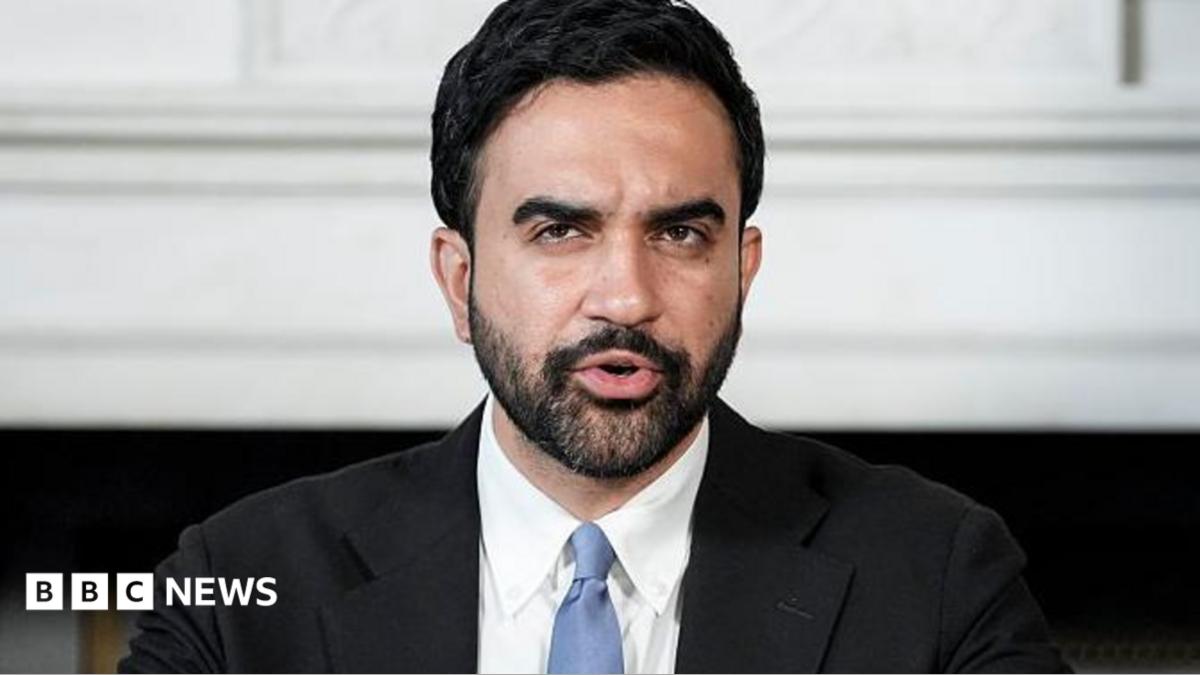
New York City Mayor Zohran Mamdani has withdrawn his pledge to arrest Israeli Prime Minister Benjamin Netanyahu, stating the city lacks legal authority. He now urges U.S. officials to act on the International Criminal Court's arrest warrant.
Key Takeaways (मुख्य बिंदु)
- Mamdani revokes his earlier promise to detain Netanyahu in New York.
- He calls on U.S. authorities to enforce the ICC arrest warrant.
- The United States is not a member of the ICC, limiting legal enforcement.
New York City Mayor Zohran Mamdani posted a video stating he does not have the "independent legal authority" to arrest Prime Minister Benjamin Netanyahu, reversing his prior public pledge. The mayor had previously declared that Netanyahu would be taken into custody if he set foot in the city.
Instead, Mamdani appealed to the federal government, urging it to join the International Criminal Court (ICC) and execute the arrest warrant issued in 2024 over alleged war crimes in Gaza. Since the United States is not a party to the Rome Statute, it cannot directly enforce ICC orders, leaving the responsibility with the federal level.
This development reflects shifting sentiment among Democratic voters, with a recent poll indicating 58% now believe the U.S. is overly supportive of Israel, up from 45% in 2024. Mamdani’s stance adds a local dimension to a traditionally federal foreign‑policy issue, highlighting the growing influence of international justice narratives in municipal politics.
Why This Matters (इसके मायने क्या हैं)
BozokMedia analysis shows that the mayor’s reversal underscores the tension between local political symbolism and the practical limits of international law. If the U.S. were to accede to the ICC, it could strengthen the global enforcement of war‑crime accountability, but it would also provoke domestic political backlash.
For ordinary citizens, the case raises questions about the reach of international tribunals into everyday governance and whether such mechanisms can affect U.S. foreign‑policy decisions. Economically, U.S. participation in the ICC could signal stronger rule‑of‑law commitments to investors, while politically it may reshape the balance between executive discretion and international obligations.
"Only a federal action can give effect to an ICC warrant; city officials lack that jurisdiction," noted international law scholar Dr. Emily Carter.
| Scenario | Details |
|---|---|
| Initial Promise | Mayor vowed to arrest Netanyahu upon his arrival in New York. |
| Current Position | Mayor states city lacks authority and urges federal government to enforce ICC warrant. |
Frequently Asked Questions (अक्सर पूछे जाने वाले प्रश्न)
Q1: Can the New York City mayor legally detain a foreign head of government?
A: No. The mayor does not have the jurisdiction to enforce ICC warrants; that power resides with the federal government.
Q2: What would change if the United States joined the ICC?
A: U.S. membership would allow the federal government to act on ICC arrest warrants, potentially leading to the detention of individuals like Netanyahu if they entered U.S. territory.