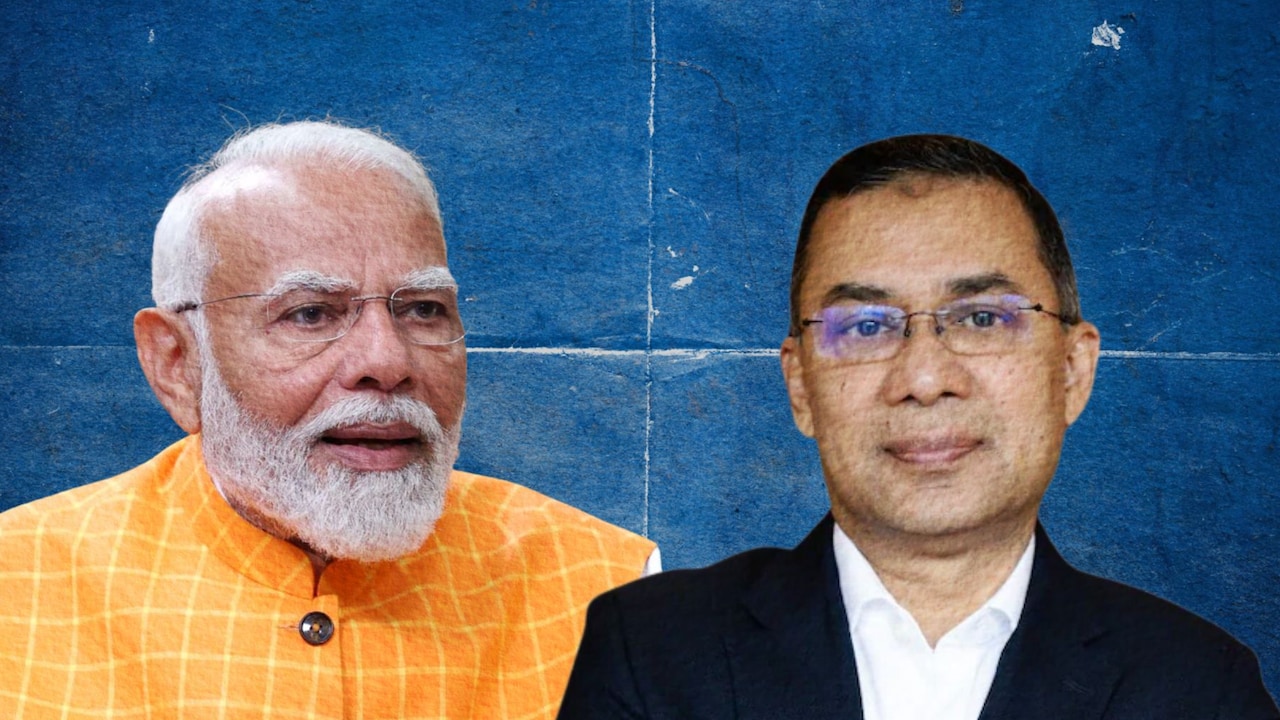
Bangladesh signaled a diplomatic reset with India, yet its choice of press officers known for India‑critical views has sparked doubts about the sincerity of the outreach.
Key Takeaways
- Bangladesh appointed journalists with a record of India‑critical commentary to key India missions.
- Both nations have publicly spoken about resetting ties, but the appointments raise doubts.
- The move reflects lingering political turbulence after Sheikh Hasina’s ouster.
Bangladesh’s foreign ministry recently named two press officers for its missions in India, both known for publishing India‑critical pieces. The choice has cast a shadow over the announced diplomatic reset between the neighbours.
The political upheaval that saw Sheikh Hasina removed from power in August 2024 triggered a bruising stretch in bilateral relations. Since then, both governments have been signaling a desire to improve dialogue, yet this staffing decision adds a fresh controversy.
Historical Background
After Hasina’s fall, Bangladesh experienced several government changes, disrupting regular communication with India on trade, climate cooperation, and border security. Over the past decade, more than thirty bilateral agreements have been signed, but political instability often stalled their implementation.
Why This Matters
BozokMedia analysis shows that appointing India‑critical journalists may indicate a hardening stance within Bangladesh’s diplomatic corps, potentially jeopardising upcoming trade talks and security collaborations.
"Such appointments risk turning diplomatic overtures into public confrontations," says Dr. Ayesha Rahman, South‑Asia political analyst.
Frequently Asked Questions
Question 1: Does this signal a shift in Bangladesh’s policy toward India?
Answer: Analysts believe it could be a signal, but broader policy changes will require more than personnel moves.
Question 2: How is India likely to respond?
Answer: India has not issued an official statement yet, but a cautious diplomatic approach is expected.

