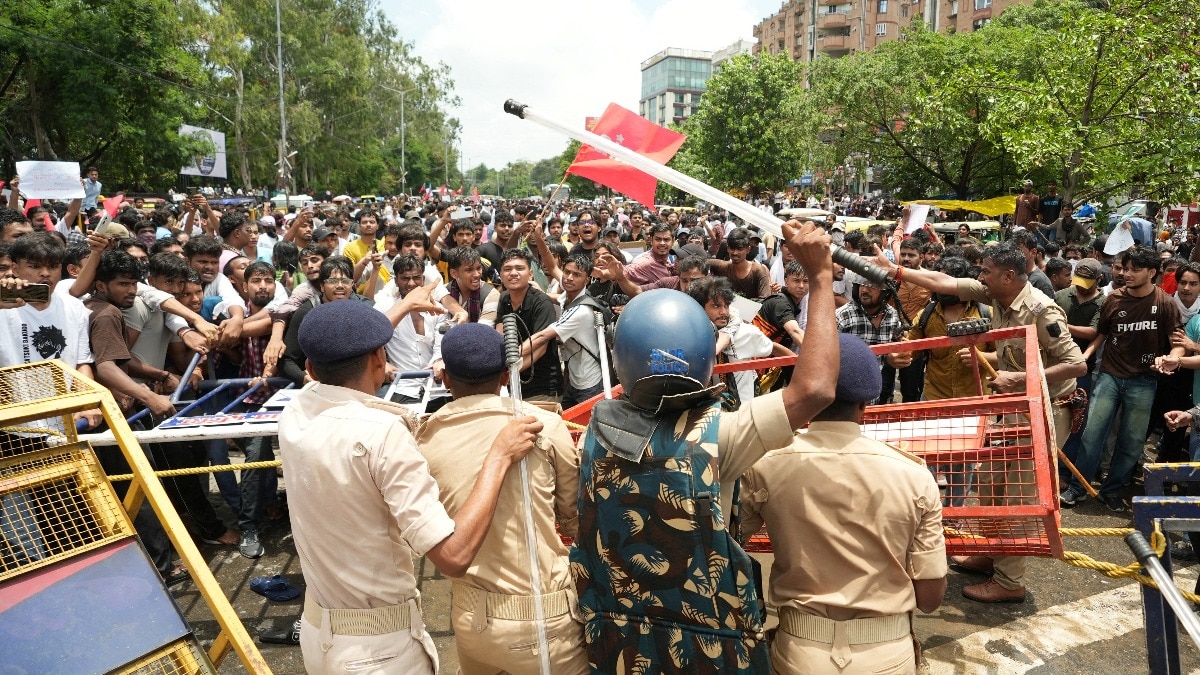
Indian MP Chandra Shekhar Azad demanded the resignation of Minister Dharmendra Pradhan and staged an overnight protest inside Parliament. The move highlights growing public discontent with government policies.
Key Takeaways
- Chandra Shekhar Azad demands Dharmendra Pradhan’s resignation.
- Protest lasted through the night inside Parliament.
- The demonstration signals rising dissatisfaction with government policies.
In a bold political statement, Member of Parliament Chandra Shekhar Azad placed a demand for the resignation of Union Minister Dharmendra Pradhan and staged a continuous overnight protest within the Parliament complex. Reported by ANI News, the protest quickly went viral on social platforms, drawing nationwide attention. Azad left a handwritten note at the main entrance, citing concerns over several recent policy decisions under the minister’s tenure.
While the precise trigger for the protest remains unclear, political analysts suggest it reflects broader grievances over education, employment, and social security reforms. Dharmendra Pradhan, head of the Ministry of Science & Technology, has faced criticism for alleged lack of transparency in budget allocations and project implementations. Following Azad’s actions, several other MPs and citizens have voiced similar concerns, indicating a widening dissent.
Historical Background
Chandra Shekhar Azad has a history of activist politics. In 2019, he led a sit‑in against the anti‑smoking legislation within Parliament, and in 2021 he campaigned for stricter climate change measures. Dharmendra Pradhan, on the other hand, launched the ambitious “Digital India” initiatives in 2022, which later attracted scrutiny over cost overruns and insufficient oversight. Understanding this backdrop clarifies why the current protest carries significant weight.
Why This Matters
BozokMedia analysis shows that an overnight, non‑violent sit‑in inside the Parliament chamber is a powerful signal of democratic unrest, compelling the government to address policy gaps more transparently. Such actions not only amplify public awareness but also pressure lawmakers to consider constituent concerns before finalizing legislation.
From an economic perspective, continued parliamentary disruptions could affect investor confidence, especially in sectors overseen by the Ministry of Science & Technology. Socially, the protest reinforces the idea that democratic engagement extends beyond voting, encouraging citizens to actively monitor and challenge governmental decisions.
"A night‑long protest within Parliament is a stark reminder that accountability cannot be postponed; it must be immediate and visible," says political analyst Dr. Ravi Shankar.
Frequently Asked Questions
Q1: Is Azad’s protest legally permissible?
A: Parliamentary rules generally prohibit such actions, but challenges may be raised under freedom of expression provisions.
Q2: What are the chances of Dharmendra Pradhan resigning?
A: No official statement has been made; resignation would depend on political pressure and public sentiment.