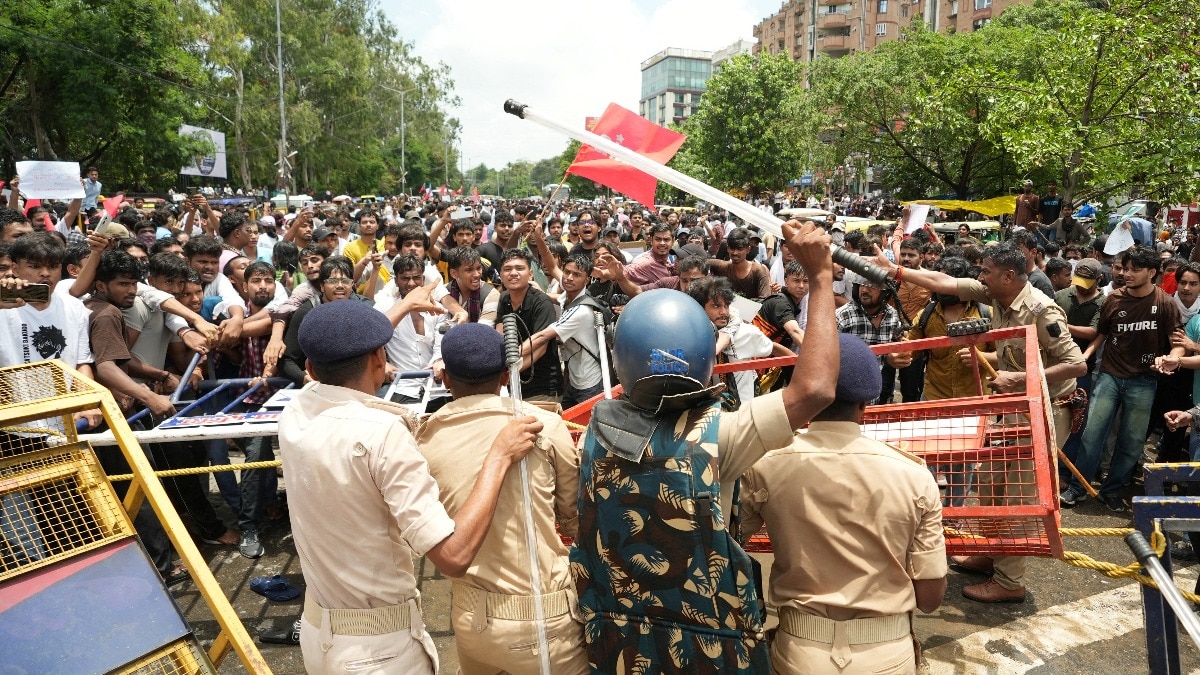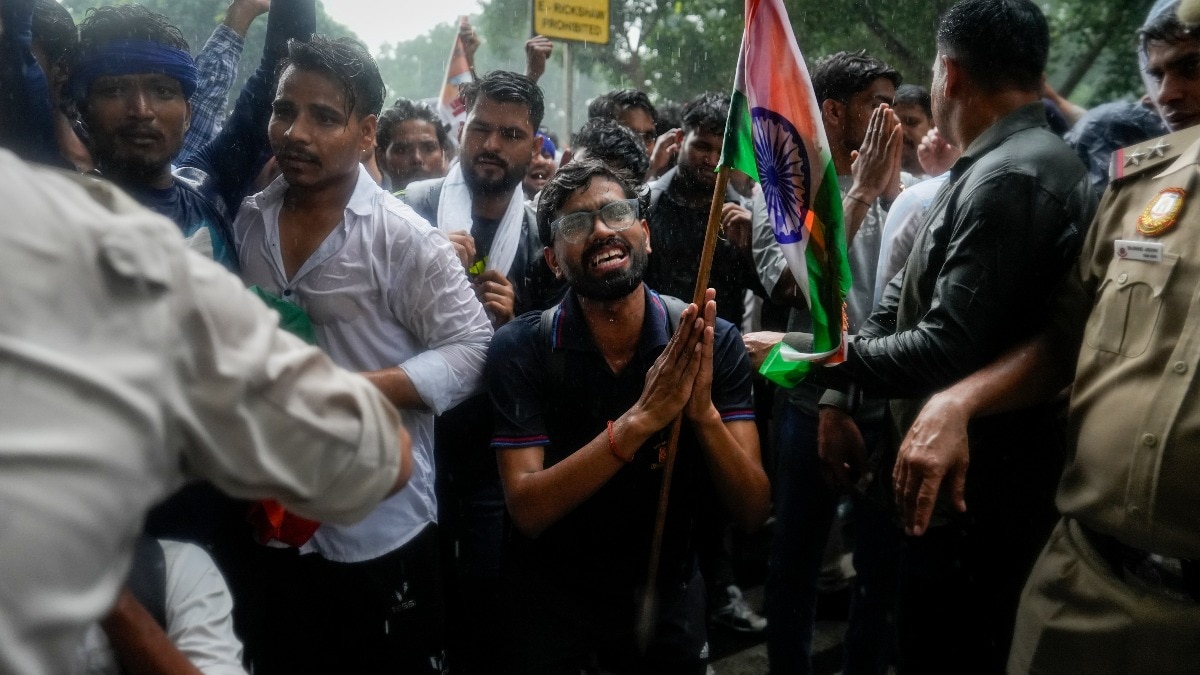
After a police lathi charge, thousands gathered at Jantar Mantar to protest, turning the incident into a major democratic showdown. The event highlights growing public frustration with state force.
Key Takeaways
- Police lathi charge sparked massive public backlash.
- Thousands converged at Jantar Mantar to demand accountability.
- The incident underscores tensions in India's democratic fabric.
Following a sudden police lathi charge in Delhi, a massive crowd of protesters poured onto the historic Jantar Mantar grounds. Despite the forceful intervention, demonstrators remained undeterred, amplifying the clash between law enforcement and citizens demanding their rights.
The rally drew support from multiple civil society groups and opposition parties, who framed the episode as a violation of democratic freedoms. Even as police attempted to disperse the crowd, participants stood firm, using the symbolic site to amplify their grievances.
Historical Background
Jantar Mantar has long served as a crucible for Indian dissent, hosting landmark movements such as the 1974 farmers’ protests, the 2011 anti-corruption rallies, and the 2020 agriculture law demonstrations. Its legacy as a space for public assembly makes it a natural focal point for contemporary unrest.
Why This Matters (इसके मायने क्या हैं)
According to BozokMedia analysis, the sheer scale of the protest following the lathi charge signals deepening public discontent that could translate into broader resistance against future policy decisions. Such mass mobilization threatens both social stability and economic continuity.
Long‑term, the episode may compel policymakers to adopt more transparent, dialogue‑driven approaches, reducing the likelihood of violent confrontations and preserving democratic norms.
"The persistence of crowds after a lathi charge reflects the resilience of democratic expression," noted political analyst Dr. Ravi Singh.
Frequently Asked Questions (अक्सर पूछे जाने वाले प्रश्न)
Q1: Did the protest continue after the lathi charge?
A: Yes, thousands remained at Jantar Mantar, demanding accountability despite police attempts to disperse them.
Q2: What impact might this have on the government?
A: The government may need to reassess policing tactics and engage more openly with public concerns to avoid future flashpoints.