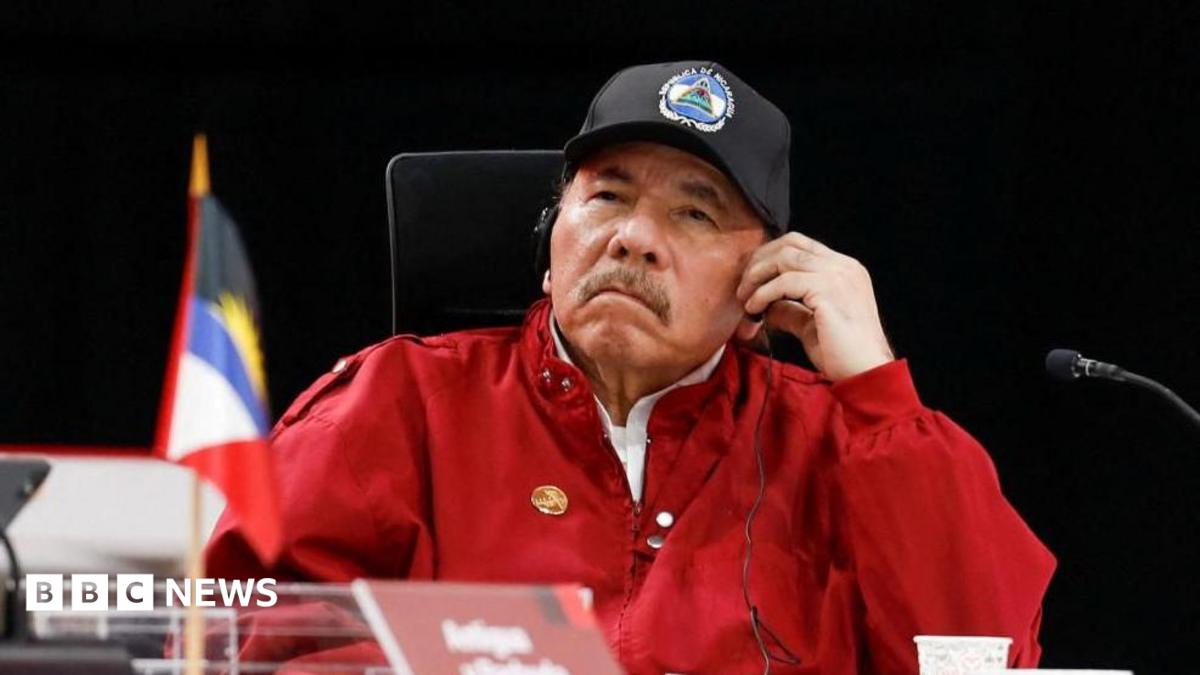
Nicaragua’s National Assembly is set to vote in early August on a bill that would bar opposition parties from contesting elections. The proposal follows President Daniel Ortega’s recent warning of “a wall, a blockade,” sparking swift international condemnation.
Key Takeaways
- The National Assembly will vote in early August on a bill to bar opposition parties from the ballot.
- President Daniel Ortega warned of “a wall and a blockade” against opponents, sparking international condemnation.
- Opposition leaders face imprisonment, exile, and loss of citizenship.
Nicaragua’s government‑controlled National Assembly has opened debate on a proposal to prevent opposition parties from contesting upcoming elections. The move follows President Daniel Ortega’s recent declaration that “there will be no more elections for them to try to seize power.”
Ortega’s Hardline Rhetoric
Speaking on the anniversary of the 1979 Sandinista revolution, Ortega accused the opposition of being financed by the United States and pledged to build “a wall, a blockade” to stop what he called “coup mongers.” UN High Commissioner for Human Rights Volker Türk condemned the remarks, insisting that people of all political viewpoints must be allowed to vote and run for office.
Opposition Under Siege
Opposition figures have been jailed, forced into exile, or stripped of citizenship. Potential rival candidates have been disqualified or pressured to flee, leaving only a handful of obscure names on the ballot. Critics say the process is steering Nicaragua toward a one‑party state akin to China or North Korea.
Why This Matters
BozokMedia analysis shows that the removal of opposition from the ballot undermines democratic norms and could trigger further international sanctions, isolating Nicaragua further in the region.
"Elections cannot be called legitimate while half the political spectrum is silenced," says political science professor Maria Lopez.
Frequently Asked Questions
Can the opposition be completely barred from voting? The proposed legislation contains legal mechanisms to exclude them, but the final outcome depends on the Assembly’s vote.
How is the international community likely to respond? The UN and several Western governments have already labeled the move an anti‑democratic breach and warned of possible economic sanctions.