The Cockroach Janata Party (CJP) has announced the launch of a dedicated website to identify police personnel who allegedly used excessive force against students during the 'March to Parliament' on July 20. Protesters are encouraged to upload video and photo evidence to facilitate legal action.
Key Takeaways
- CJP is launching a specialized website to identify police officers involved in the July 20 crackdown.
- Protesters can upload photos and videos of police misconduct as digital evidence.
- The organization aims to file FIRs against identified officers and will approach courts if necessary.
- CJP continues to demand the resignation of Education Minister Dharmendra Pradhan.
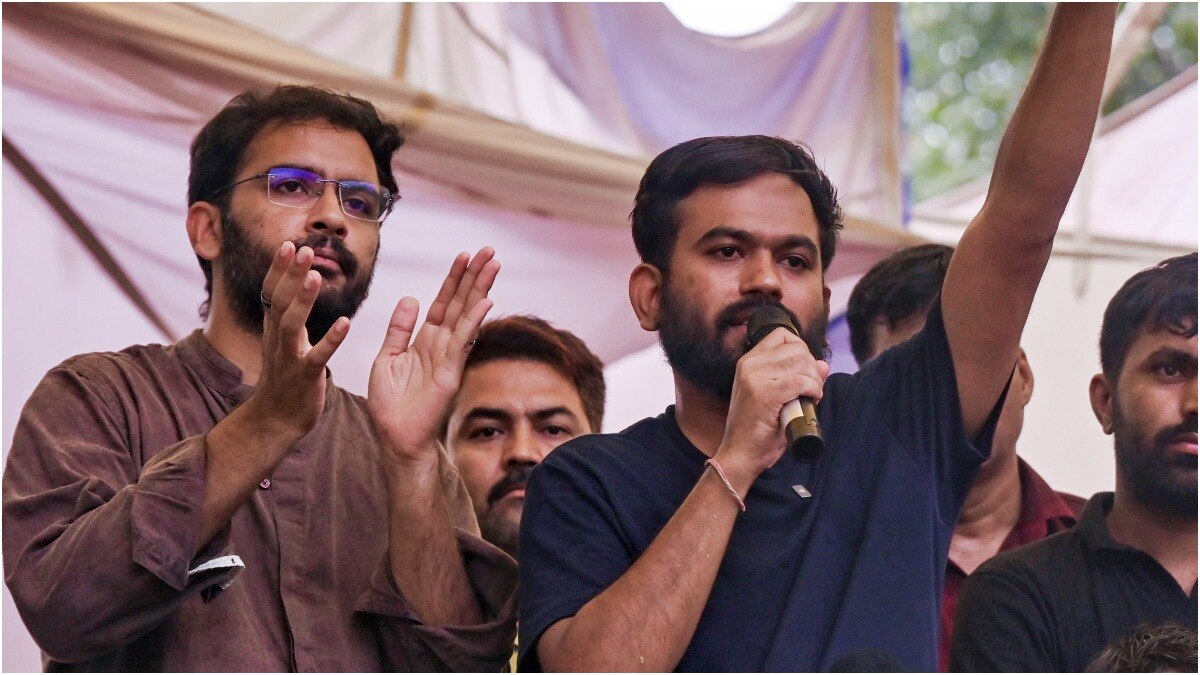
New Delhi: In a significant move toward accountability, the Cockroach Janata Party (CJP) announced on Friday that it will launch a dedicated website to identify police personnel involved in the crackdown on protesting students during the 'March to Parliament' on July 20. The initiative aims to document instances of alleged violence and misconduct during the protest held at Jantar Mantar.
CJP founder Abhijit Dipke and spokesperson Sourav Das stated that the platform will serve as a repository for evidence. Protesters, including female students who allegedly faced harassment, are being urged to upload photos and videos of officers using force. These submissions will be analyzed by the CJP team to pinpoint specific individuals for subsequent legal proceedings.
Why This Matters
BozokMedia analysis shows that this move represents a growing trend of using crowdsourced digital evidence to hold state machinery accountable. By creating a decentralized database of misconduct, CJP is challenging the traditional immunity often enjoyed by law enforcement during large-scale demonstrations. This could set a precedent for how civil rights movements document police interactions in the digital age.
"We will not remain silent; those officers who assaulted students and misbehaved with female protesters will be brought to justice." - Sourav Das, CJP Spokesperson
The protest, which was organized to demand the resignation of Union Education Minister Dharmendra Pradhan over NEET paper leaks and exam irregularities, turned violent when Delhi Police intercepted the march. While protesters accused the police of using lathicharge and pellet guns, the Delhi Police maintained that force was used only to prevent protesters from breaching security perimeters near Parliament.
Historical Background
Student-led protests in India have historically been a cornerstone of democratic expression. From anti-reservation agitations to recent movements against examination malpractice, students have frequently converged at Jantar Mantar to demand systemic reforms in the country's competitive examination framework.
Frequently Asked Questions
Q1: What is the purpose of the CJP website?
A: The website is designed to collect visual evidence (photos/videos) to identify police officers who allegedly used excessive force against students on July 20.
Q2: What are CJP's primary demands?
A: Their demands include the resignation of Education Minister Dharmendra Pradhan, a public apology from Delhi Police, and compensation for families of students who died following the NEET exam irregularities.