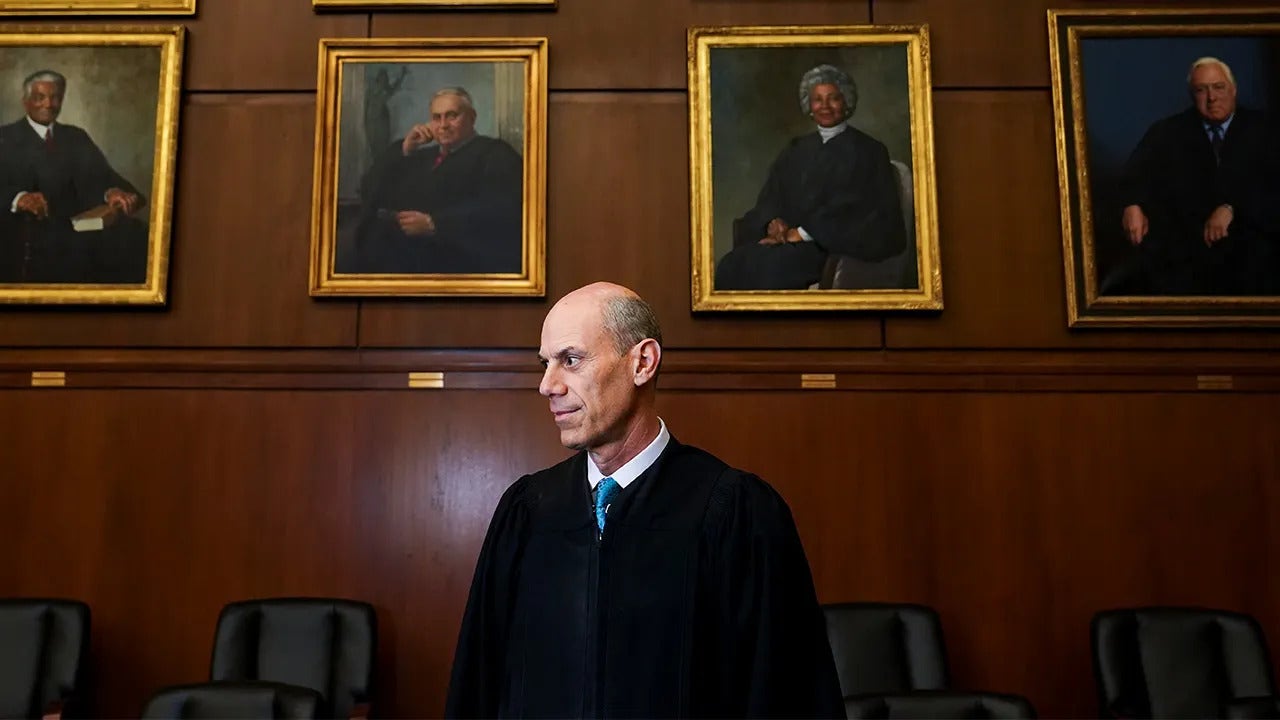
U.S. District Judge James Boasberg has issued a temporary stay against the Trump administration's policy to deny visas to foreign nationals accused of suppressing American free speech, citing potential First Amendment violations.
Key Takeaways
- Judge James Boasberg halted the State Department's effort to restrict visas for foreign officials accused of censorship.
- The court found the policy might engage in 'viewpoint discrimination,' violating the First Amendment.
- The policy specifically targeted those favoring stricter content moderation on digital platforms.
- The Trump administration is expected to appeal this interim decision.
In a significant legal setback for the Trump administration, Chief U.S. District Judge James Boasberg has temporarily blocked an effort to deny visas to foreign nationals deemed responsible for suppressing American free speech. The ruling suggests that the government's policy may cross the line into unconstitutional territory by targeting specific ideological viewpoints.
Judge Boasberg noted that while the federal government has a "legitimate interest" in responding to foreign suppression of expression, the current policy appears to apply its enforcement selectively. He observed that the policy does not target all speech regarding platform governance, but specifically pressures those who advocate for increased content moderation, disinformation labeling, and data sharing with researchers.
Why This Matters
BozokMedia analysis shows that this case sits at the volatile intersection of immigration law, international diplomacy, and constitutional rights. By using visa restrictions as a tool to punish perceived censorship, the administration risks creating a precedent where the U.S. government can selectively penalize foreign entities based on their stance on digital speech regulation.
"The Government has not set itself against everyone who speaks about platform governance. It has set itself against those whose work favors more moderation rather than less." — Judge James Boasberg
The controversy stems from policies following a Biden-era debate involving the Global Disinformation Index (GDI). Conservative lawmakers have argued that such organizations contribute to the silencing of right-leaning voices, while the administration maintains that an American visa is a "privilege, not a right" and should not be granted to those complicit in censoring U.S. citizens.
Frequently Asked Questions
1. What was the core reason for the judge's ruling?
The judge ruled that the policy might violate the First Amendment by engaging in viewpoint discrimination against those who favor content moderation.
2. Does this mean the visa policy is permanently canceled?
No, this is a temporary stay. The judge has not yet ruled on the merits of the case, and the administration can appeal.