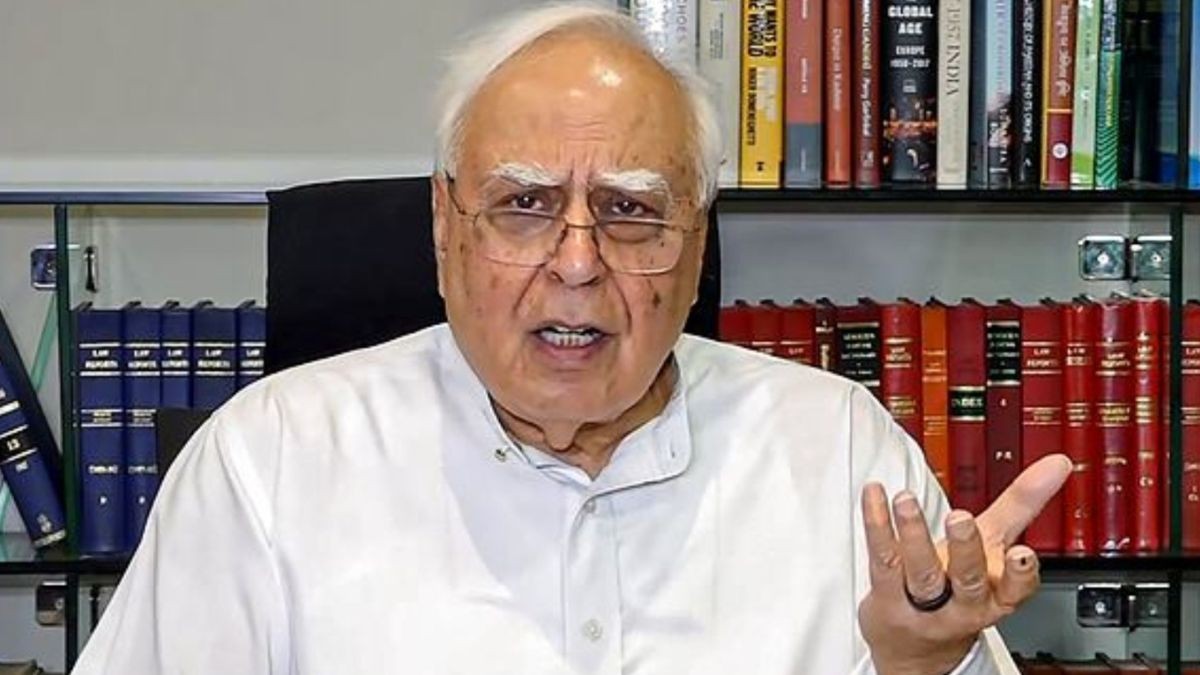
Senior Advocate Kapil Sibbald has contested the current interpretation of Paragraph‑4 of the 10th Schedule, arguing it allows legislators to evade disqualification through party mergers. He seeks an urgent hearing, citing several pending cases on the same issue.
Key Takeaways
- Kapil Sibbald challenges the anti‑defection law's current interpretation
- Merger loophole used to avoid disqualification is under scrutiny
- Urgent hearing requested before the Supreme Court
Core of the Petition
Senior advocate Kapil Sibbald has filed a *RIT* petition directly before the Supreme Court, contesting the prevailing reading of Paragraph‑4 of the Constitution’s 10th Schedule (the anti‑defection provision). He argues that the existing interpretation allows legislators to merge into another party, thereby sidestepping disqualification provisions.
Sibbald points out that numerous legislators have already exploited this loophole, reshaping the political composition of both state assemblies and Parliament in ways that conflict with the Constitution’s original intent. He urged Chief Justice CJI Suryakant to list the matter for a prompt hearing.
Historical Background
Defections were a chronic problem in the 1960s‑70s, prompting the famous Indian proverb “आया राम, गया राम.” To curb this, the 52nd Constitution Amendment in 1985 introduced the anti‑defection law, later tightened by the 91st Amendment in 2003, aiming to preserve party stability and democratic integrity.
Why This Matters
BozokMedia analysis shows that any dilution of the anti‑defection provisions could set a precedent for mass defections, destabilizing both state assemblies and the Parliament, and undermining voter trust in democratic institutions.
"If the loophole remains unchecked, future governments may face chronic instability," says constitutional law expert Dr. Ananya Sharma.
Frequently Asked Questions
Q1: Can the current interpretation be altered constitutionally?
A: Yes, if the Supreme Court deems it unconstitutional, it can issue new guidelines, but a clear judicial pronouncement is required.
Q2: Which current MPs could be affected by this petition?
A: Any member who recently merged into another party—especially those from AAP, TMC, and Shiv Sena—may face disqualification if the court rules against the loophole.


