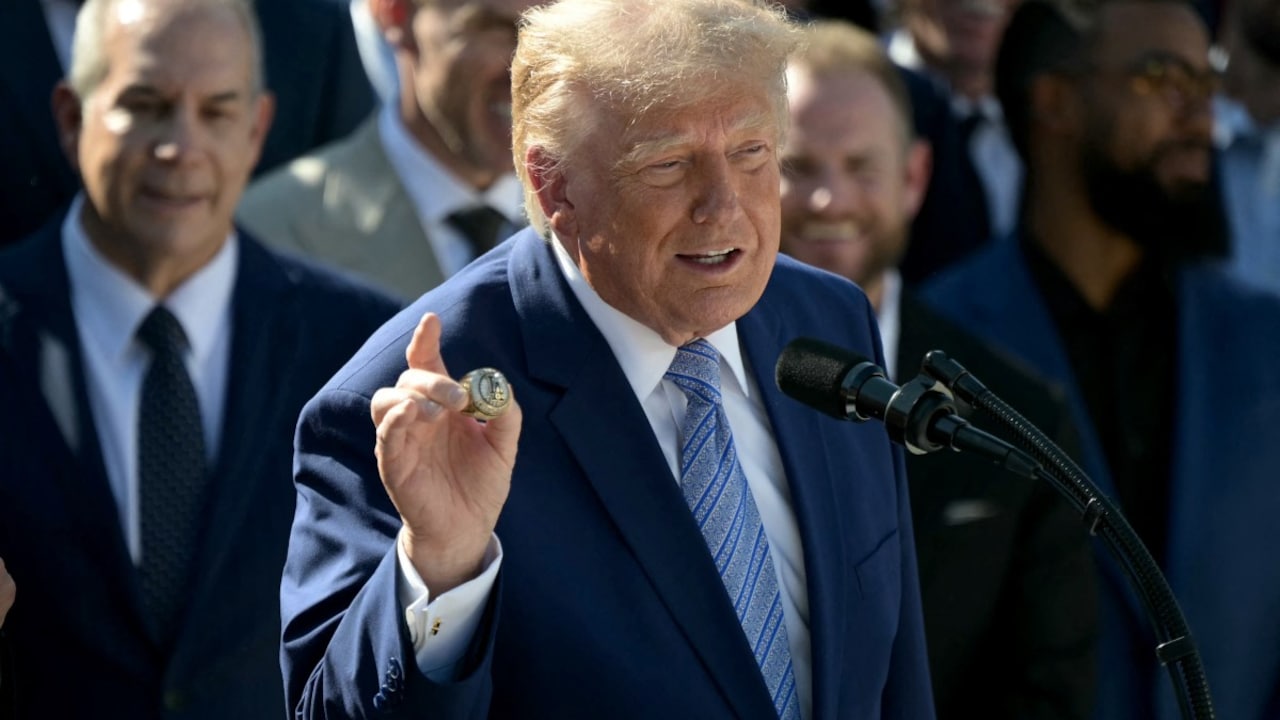
As an $8 billion redesign of Manhattan's Penn Station begins, a push by the Republican administration to rename the transit hub has ignited a massive political debate.
Key Takeaways
- Republican administration urges Senators to rename Penn Station.
- The proposal coincides with an $8 billion massive redesign project.
- The move has sparked intense political controversy in New York.
A political storm is brewing in the heart of Manhattan. As the massive $8 billion redesign of the iconic Penn Station moves forward, the Republican administration has formally urged leading U.S. Senators to consider renaming the transit hub as 'Trump Station.'
The Battle Over Manhattan's Transit Identity
The proposal comes at a critical juncture for the underground transit hub. While the multi-billion dollar project aims to modernize the infrastructure and improve passenger flow, the suggestion to attach a political name to a public utility has met with immediate resistance from critics who view it as a move toward political branding of public assets.
Why This Matters
BozokMedia analysis shows that this controversy transcends simple nomenclature; it represents a deeper struggle over the cultural and political identity of New York City's most vital transportation arteries. The outcome could set a precedent for how major public infrastructure projects are branded in the United States.
Renaming a landmark of this magnitude is as much an act of political signaling as it is a matter of urban planning.
Historical Background: Penn Station has a storied and turbulent history. The demolition of the original, grand Penn Station in the 1960s remains one of the most significant losses in architectural history, leading to much stricter preservation laws for landmarked structures across the country.
Frequently Asked Questions
1. What is the cost of the Penn Station renovation?
The projected cost for the comprehensive redesign is approximately $8 billion.
2. Who has the power to rename the station?
Renaming a major public entity typically requires legislative approval and significant political consensus at the federal or state level.