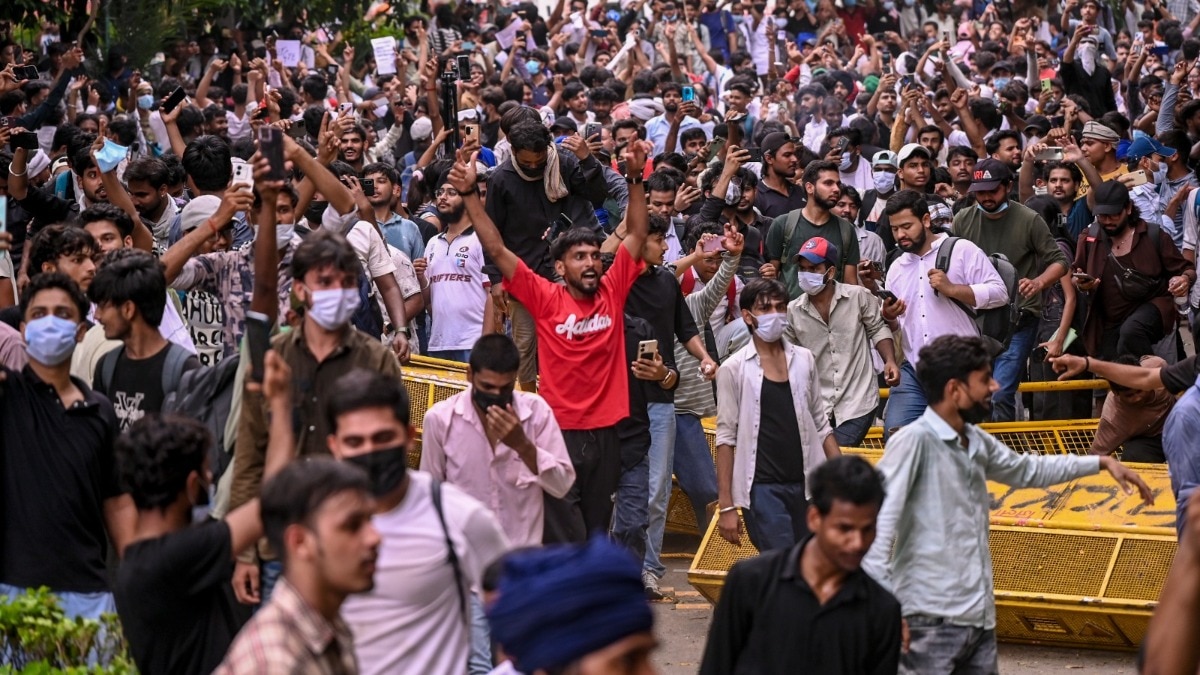
In a historic turn of events, the Cockroach Janta Party (CJP)-led student protests have forced the Modi government to concede major demands, including the resignation of Education Minister Dharmendra Pradhan.
Key Takeaways
- CJP-led student protests successfully compelled the government to accept core demands.
- Education Minister Dharmendra Pradhan resigned following the agitation.
- The movement's lack of political pedigree became its greatest strategic asset.
- Digital-first strategies via social media played a decisive role.
When the Cockroach Janta Party (CJP) first emerged on the national stage, it appeared to be just another fleeting wave of unrest. However, the outcome was anything but ordinary. After weeks of relentless pressure from student protesters, the Narendra Modi government finally blinked, accepting key demands and seeing the resignation of Education Minister Dharmendra Pradhan.
Experience vs. Authenticity: A Shift in Protest Dynamics
India has seen massive demonstrations before, from the farmers' protests to the anti-CAA agitations. Yet, those movements often struggled to extract direct political accountability from the highest levels. The CJP movement succeeded because it broke the traditional script. While seasoned politicians are masters of the 'dharna' and know exactly when to negotiate or compromise, these students remained unyielding.
Why This Matters: BozokMedia Analysis
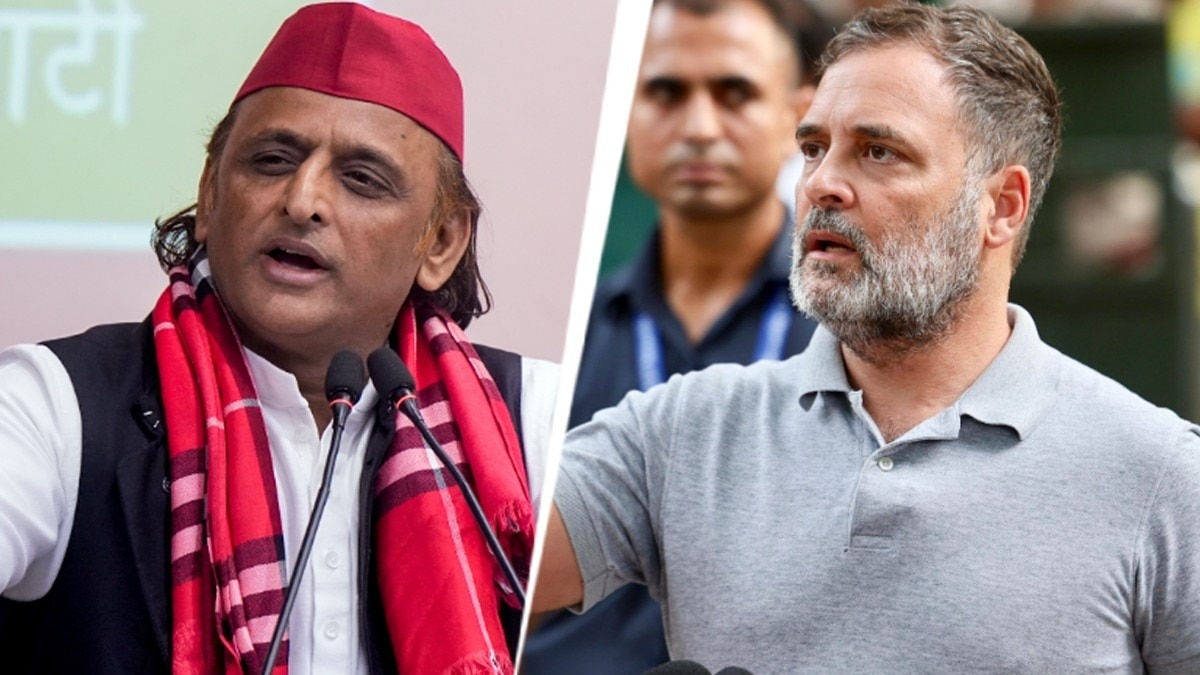
BozokMedia analysis shows that the movement's primary strength lay in its perceived neutrality. By ensuring that the cameras remained fixed on students rather than opposition leaders, the CJP prevented the government from dismissing the protest as mere 'electoral theatre.' This distinction made it impossible for the administration to frame the movement as a partisan tool of the opposition.
The absence of political ambition allowed the students to maintain a level of consistency that veteran politicians, often eyeing future elections, simply cannot match.
The protesters refused to let the movement drift into ideological battlegrounds. Instead, they anchored every protest, speech, and demand to a singular, relatable theme: examination integrity, merit, and the future of India's youth. This discipline won over parents and educators who might otherwise have remained politically indifferent.
The Digital Battlefield
While the streets provided the physical presence, social media provided the momentum. Unlike previous movements that used platforms like X or Instagram as mere bulletin boards, the CJP used them as the primary engine of the protest. The constant stream of viral reels and real-time updates created an inescapable digital narrative that bridged the gap between the streets and the living rooms of millions.
Frequently Asked Questions
1. What was the primary demand of the CJP protesters?
The movement demanded systemic reforms in the examination process and strict accountability for recent controversies.
2. Why did the government resign the Education Minister?
The resignation of Dharmendra Pradhan was a direct consequence of the intense political and social pressure exerted by the student movement.